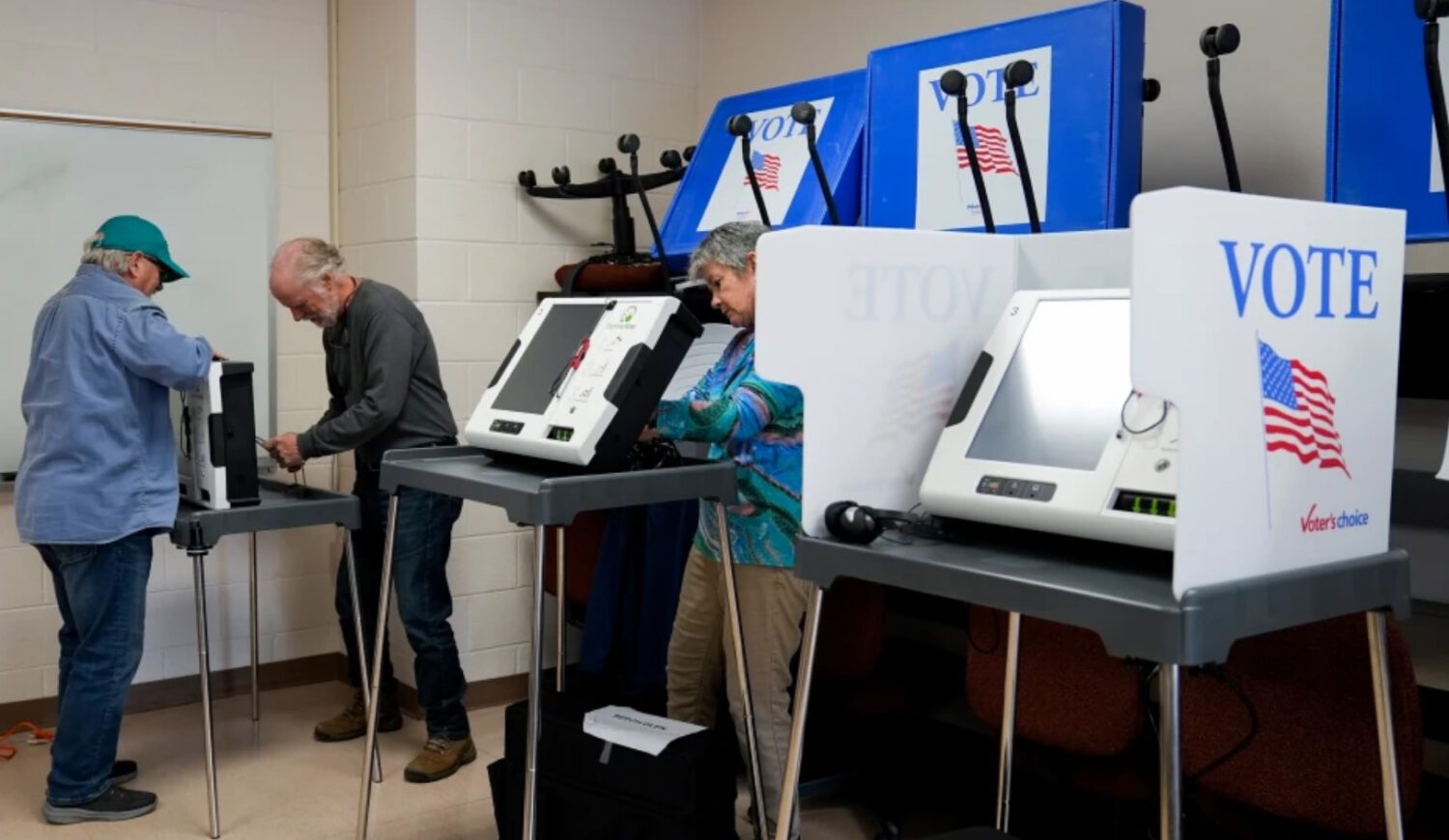
Investigations in Tennessee, Arkansas, and Georgia found no evidence that voting machines are programmed to switch selections to Republican candidates. The verified computer problems are narrower but still worth fixing: touchscreen interfaces that produce confusing results, calibration issues that go unaddressed, and election-technology administrators with limited public accountability for usability failures.
What the Investigations Actually Found
Officials keep investigating these claims. They keep finding the same thing.
In Williamson County, Tennessee, the county election administrator found no equipment discrepancy after examining flagged machines. Tennessee Elections Coordinator Mark Goins described the reported problems as “more like an unintended touch that they may not even realize,” according to WTOP.
In Arkansas, officials examined a machine after a video went viral and could not replicate the reported incident, finding no malfunction, per AFP Fact Check. In Georgia, a reported incorrect selection involved a ballot question and resulted from voter error; the ballot was spoiled and replaced before the voter left the polling location, according to AFP Fact Check.
The New York Times and PolitiFact found no evidence that machines were programmed to alter votes in any direction.
The Reddit thread circulating these allegations confirms that the claims are spreading. It does not confirm that machines are flipping votes. An unverified post establishes none of the details that matter: location, device ID, software version, or whether a poll worker ever examined the machine.
The Actual Problem Nobody Is Fixing
Touchscreen usability failures are real. The industry keeps treating them like an anomaly.
Election officials in Tennessee attributed reported problems to unintended screen contacts rather than software manipulation, according to WTOP. Poorly calibrated screens can register a touch in the wrong location, producing a selection the voter did not intend. That is a genuine usability failure, not a conspiracy.
Election-technology vendors and administrators should be running rigorous calibration protocols before every election. Ballot-review screens must present every selection in high-contrast text large enough to confirm at a glance before the voter proceeds. Voters do have a verification role here, but so do election officials, who are responsible for equipment security, ballot reconciliation, and procedures for addressing malfunctions.
That shared accountability is not visible enough. Officials should log every complaint, test the flagged device, and publish their methodology. A statement of “we found nothing” without supporting documentation does not build confidence , concerns about secretly tracking users and opaque government tech behavior show why transparency matters. It just moves the conversation to Reddit.
What You Should Actually Do
Your ballot is not final until you say it is.
If the screen shows a selection you did not make, stop. Notify a poll worker immediately and request a spoiled ballot and a replacement, following your local procedure.
Document the polling location, approximate time, and the exact problem if you want to file a formal complaint. Rely on official investigation findings rather than anonymous posts when assessing whether a problem is widespread.
The tools to build interfaces voters can trust already exist, per EAC standards requiring human-readable paper records and correction opportunities before casting. Consistent application of those standards, with transparent reporting when something goes wrong, is the accountability the industry still owes voters. Knowing how to stay safe with public-facing technology more broadly is equally important as these systems become more prevalent.