Nearly half of American voters, 47%, associate Republicans with technology tax breaks, according to a POLITICO poll conducted by PF Global, more than double the 21% who said the same of Democrats. That finding arrives as the 2026 midterm cycle tracks toward becoming the most expensive in U.S. history.
What Voters Actually Want
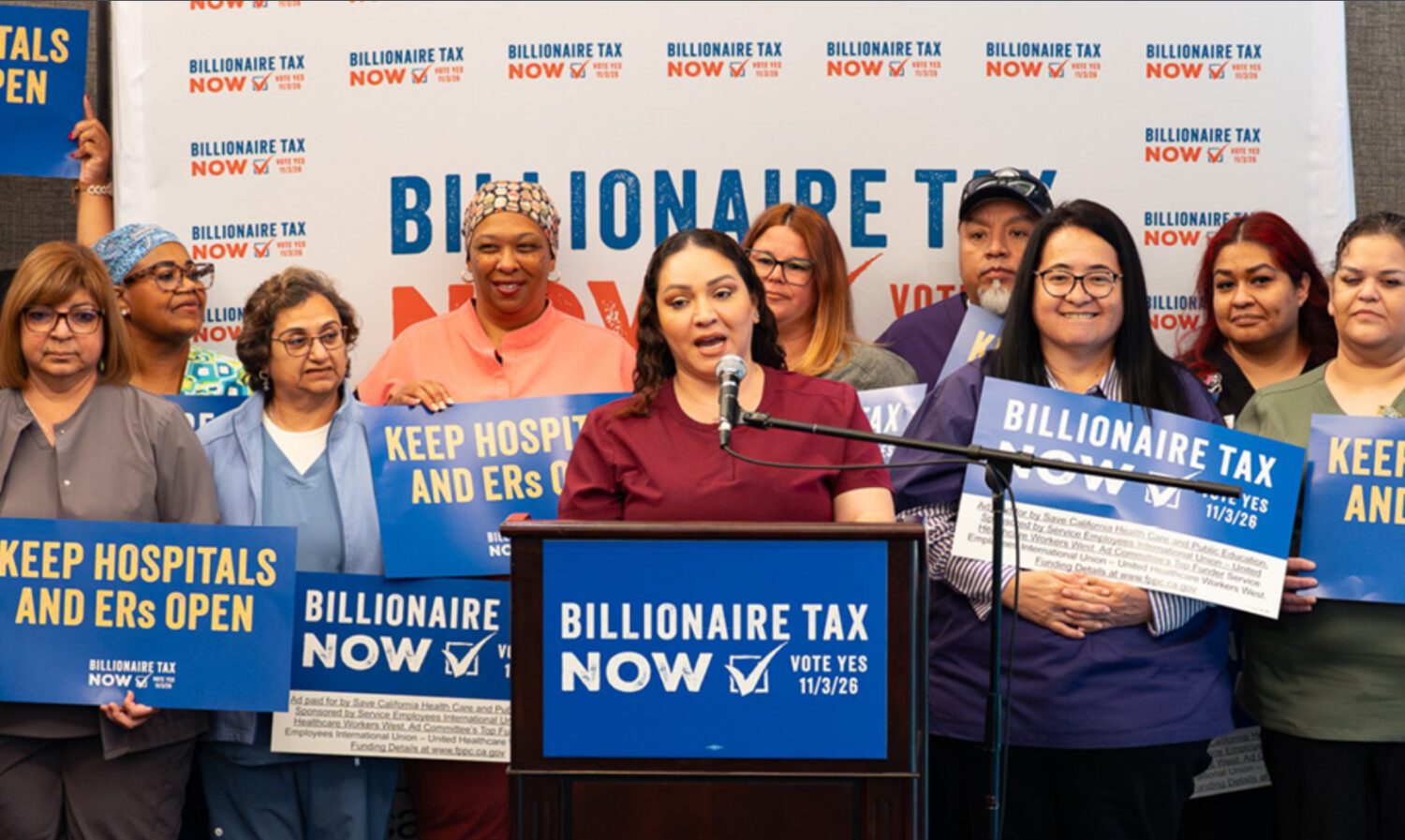
Polling data shows broad public appetite for higher taxes on billionaires and a rollback of Big Tech’s tax advantages.
The POLITICO/PF Global poll shows that voter sentiment against Big Tech tax incentives is not a fringe position. Voters favor ending AI data-center tax incentives over creating new ones by roughly two to one, and taxing billionaires more heavily ranks among their leading tax priorities.
A separate POLITICO poll conducted by Public First in July adds weight to that picture. Surveying 2,061 U.S. adults, with a reported margin of error of approximately ±2.16 percentage points, it found more than half of respondents believe billionaires should pay substantially more in taxes.
Reducing tax breaks for large companies also registered as a top priority in the POLITICO/PF Global results. Both findings reflect voter perception, not a formal accounting of which party has actually enacted more technology tax preferences.
Record Spending Meets Record Distrust
Even as voters express frustration with concentrated billionaire wealth, political spending from that same group has reached historically high levels.
Elon Musk leads all identified individual contributors in the 2026 cycle, with approximately $366 million in contributions as of mid-October, according to The Hill, which cited America PAC and Federal Election Commission data. Reuters and CNBC separately corroborated that figure, though later filings could revise the total upward.
Combined, the top 15 donors have supplied more than $1.5 billion to the 2026 elections, per the Economic Times citing an AFP analysis of FEC data. On current trajectory, the cycle is set to become the most expensive midterm in U.S. history.
Billionaire spending is not exclusively Republican-aligned. Democratic donors and political action committees focused on technology and cryptocurrency policy have also directed substantial funds toward congressional races. A New Republic report citing Americans for Tax Fairness estimated approximately $1.7 billion in 2026 political spending from billionaire families, with roughly 69% directed toward Republican candidates or causes. That methodology has not been independently confirmed and should be treated as a reported figure pending verification.
A Familiar Pattern, a Different Industry
The current concentration of wealth and political influence echoes an earlier era of American economic history, though the parallels have real limits.
The structural comparison with the first Gilded Age rests on recognizable pressures: concentrated wealth, control over critical infrastructure, and outsized political influence. The late-19th-century version eventually produced antitrust enforcement, progressive taxation, and labor protections, though those reforms emerged across decades and through multiple distinct movements.
Whether current polling pressure translates into equivalent legislation remains genuinely uncertain. November will offer the first measurable test of whether that gap narrows.
Candidates heading into the midterms face documented voter pressure on higher billionaire taxes, limits on data-center subsidies, and AI regulation. The defining tension of the 2026 cycle sits between what voters tell pollsters they want and what record-spending billionaires can seek to influence through campaign spending.