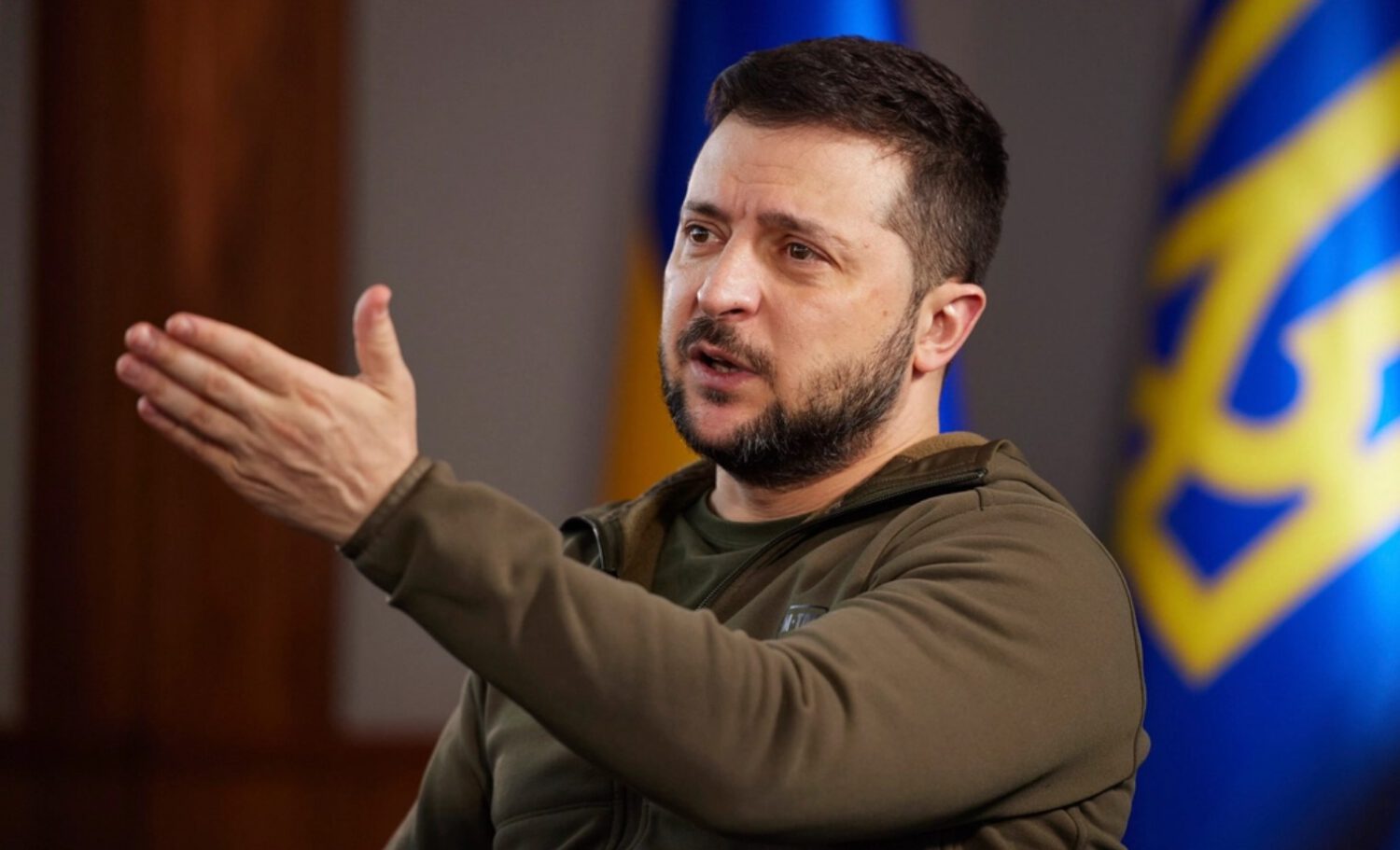
SpaceX’s Starlink terminals in Ukraine reportedly lost connectivity when moving above 160 kilometers per hour, disrupting drone interceptions, reconnaissance missions, and battlefield coordination with no advance warning to Ukrainian forces. Zelensky responded publicly, telling Musk directly that the disruption posed a risk to lives. Nobody can clearly establish who ordered the change.
A Speed Limit With Battlefield Consequences
A reported overnight restriction on moving Starlink terminals left Ukrainian forces scrambling to understand whether the problem was technical or deliberate.
Presidential adviser Serhiy Beskrestnov stated publicly via Telegram, as reported by NBC News and BBC, that Starlink terminals received an overnight speed restriction and that Ukraine’s defense forces were given no prior notice. Ukrainian officials said that once vehicles or other assets exceeded the 160 km/h threshold, connectivity dropped. Beskrestnov said a number of missions were disrupted as a result.
Zelensky appealed directly to Musk, framing the request as a matter of fairness between partners and warning that continued disruption could endanger lives, according to BBC reporting. Some connectivity was subsequently restored, with terminals reportedly operating again up to the 160 km/h threshold. Ukrainian officials called for all limitations to be removed.
Musk Points Upward; Ukraine Looks Sideways
Musk said the relevant decisions rest with the U.S. government, not SpaceX, leaving responsibility for the restriction genuinely contested.
Musk pushed back on the suggestion that SpaceX made this decision unilaterally. He stated publicly, as reported by BBC and CNBC, that Starshield, a classified government-contracted variant of the satellite network separate from the commercial Starlink service, is owned and controlled by the U.S. government, with usage limits determined by the U.S. military and ultimately the president.
Musk also drew a line between Starlink’s intended civilian and defensive purpose and offensive military operations. That distinction sits at the center of the dispute because Ukraine uses satellite connectivity for both defensive and strike-related activity. The specific service involved, whether Starlink or Starshield, was not conclusively established in available reporting.
U.S. officials cited by CNN disputed that the restriction reflected a high-level U.S. policy decision. The available reporting does not establish that the limitation was ordered as a direct response to any specific Ukrainian military strike. Responsibility remains contested.
One Company, One Billionaire, One Wartime Dependency
The episode exposes how deeply Ukraine’s battlefield communications depend on infrastructure controlled by a single private company.
Starlink’s role in Ukraine extends well beyond ordinary internet access. It supplies resilient communications in areas where ground critical infrastructure has been destroyed, enabling battlefield coordination, drone operations, and real-time data exchange. A speed threshold that appears technical on paper carries direct operational consequences in the field.
Musk has previously called publicly for Zelensky to step down, according to Herald reporting. This connectivity dispute therefore arrives at the intersection of a technical configuration and an active political conflict involving Kyiv, Washington, and Musk personally.
The episode raises a question with no easy answer: what guarantees does a country have when its wartime communications depend on a private company whose owner holds strong public opinions about that country’s leadership? That structural vulnerability, more than any single speed restriction, is what this dispute has put on the table.