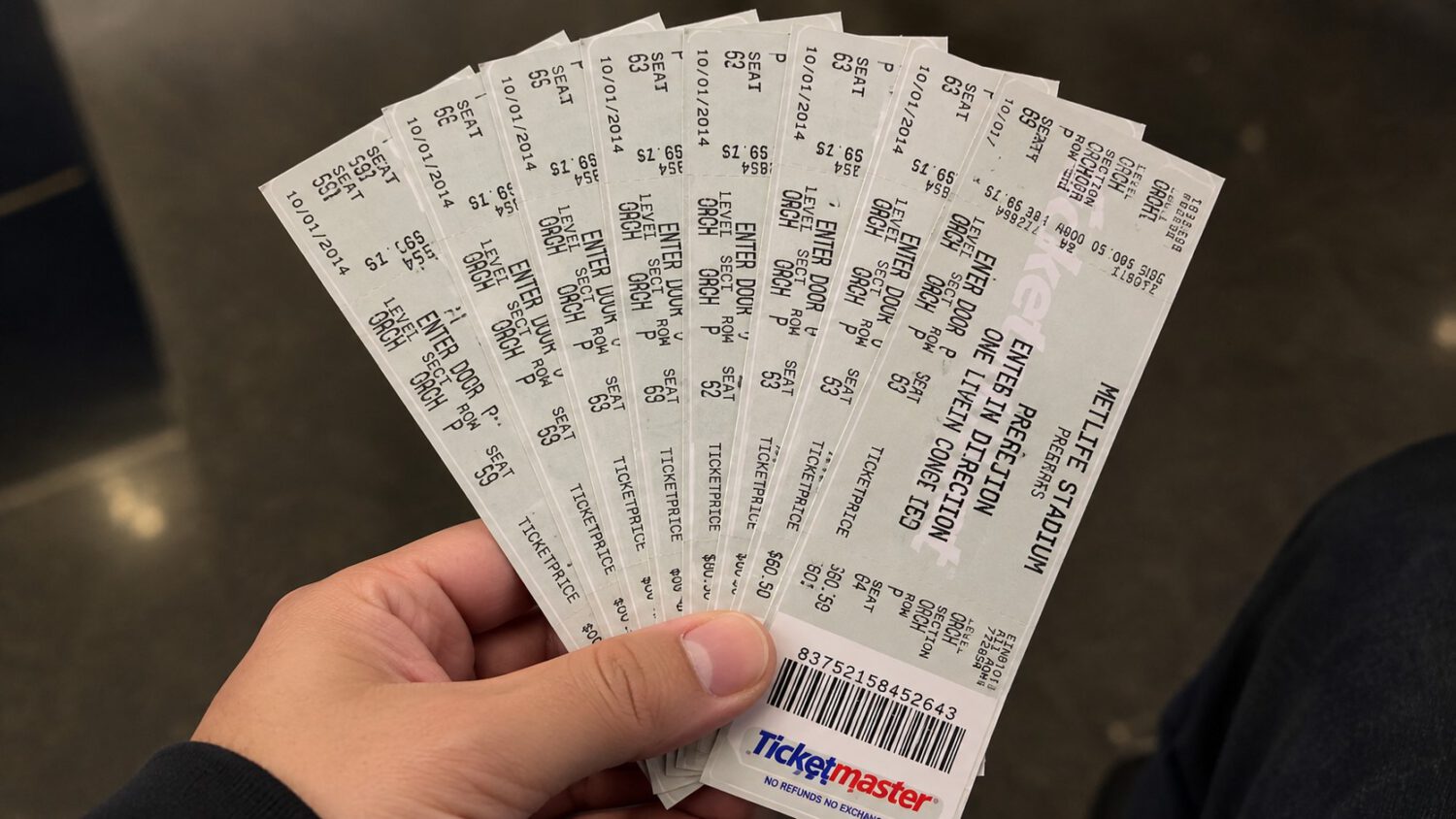
You know the feeling. A concert goes on sale, tickets vanish in seconds, and thirty minutes later the same seats appear on a resale platform at a steep markup. Washington, D.C. passed a law aimed at curbing exactly that, and four of the largest resale platforms are now suing to block it.
The D.C. RESALE Act caps resale prices at 110% of the original purchase price, fees and taxes included, and limits marketplace service fees to an additional 10% of that original price. The D.C. Council frames the combined ceiling as ensuring consumers paying too much no more than 120% of the ticket’s original cost. Four major resale platforms filed suit on October 14, 2026, in the U.S. District Court for the District of Columbia, seeking to block the law before its January 1, 2027, effective date.
What the Law Actually Does
The law bans speculative ticket sales, meaning sellers cannot list tickets they do not yet possess. Every resale listing must also display the ticket’s original price, so buyers can see what markup they are paying.
Sporting events are excluded from the law’s coverage, and the movie-ticket exemption should be confirmed against the final statutory text. Covered events include most concerts, theater shows, and other live entertainment held in the District. IMP Entertainment, which owns the 9:30 Club and other D.C. venues, has publicly supported the legislation.
D.C. Councilmember Charles Allen has defended the law and criticized the platforms’ objections. Allen has said the law would help level the playing field for fans, according to NBC Washington.
The Lawsuit’s Arguments
The plaintiffs, SeatGeek, Vivid Seats, Gametime, TickPick, and the Ticket Policy Forum trade association, filed their case as Ticket Policy Forum v. District of Columbia, No. 1:26-cv-03577. They are seeking a preliminary injunction to halt enforcement while the litigation proceeds.
Their central constitutional argument invokes the dormant Commerce Clause. Tickets for D.C. events are routinely bought and sold by people in other states. The platforms contend the District cannot regulate those transactions simply because the event is local.
Data access is the sharper practical problem. Secondary platforms were not part of the original ticket sale and often cannot access the original price data, including initial fees and taxes, that the law requires for calculating the resale ceiling. Brian Berry, executive director of the Ticket Policy Forum, addressed this directly: “The legally flawed Act would apply to sales largely outside the District and set arbitrary resale-only price caps tied to the original cost of a ticket, information companies in the secondary market do not have and cannot disclose because they were not part of these initial transactions.”
Cost recovery compounds that concern. If the service-fee ceiling does not cover processing costs, platforms may simply stop listing D.C. events.
The complaint also raises First Amendment concerns about the mandatory price disclosure requirement, along with due process, Fifth Amendment, supremacy clause, and D.C. Home Rule Act claims. The platforms warn that tight caps could push buyers toward social media resales and street transactions, which the plaintiffs argue carry greater fraud and counterfeit risk than established marketplaces.
The preliminary injunction request means a court could block enforcement before the January 1, 2027, effective date. If the law survives, other jurisdictions weighing similar consumer protections will be watching closely. If the platforms prevail, the ruling could signal meaningful limits on how far local governments can reach when regulating nationally operating digital markets.