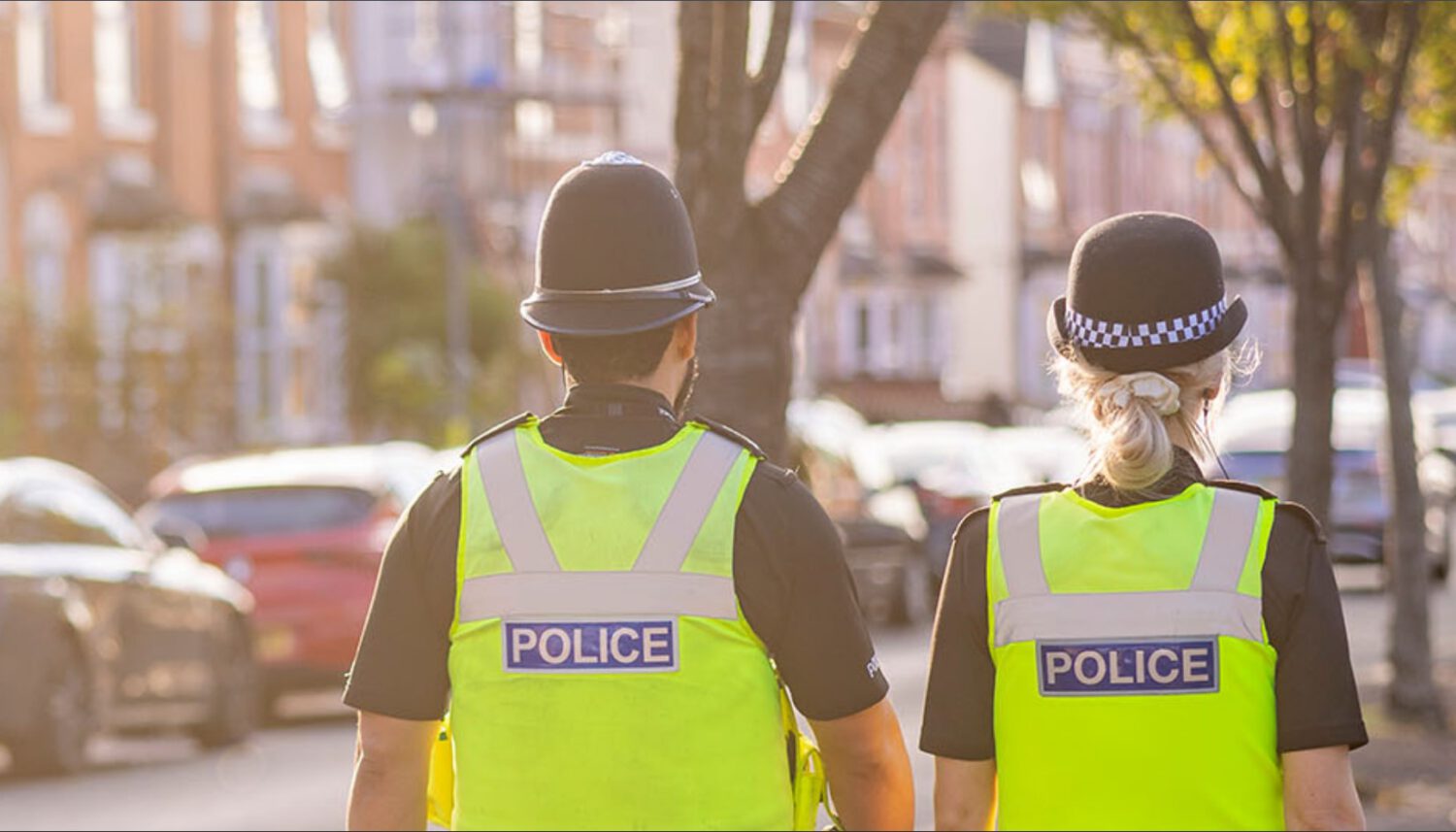
On Aug. 3, four police officers arrived at the home of a 15-year-old boy known publicly as Fraser. According to The Telegraph, they arrested him in connection with a series of Facebook posts mocking a local councillor’s dress sense. This kind of deployment of law enforcement resources against juvenile speech online has drawn comparisons to the use of a surveillance app to monitor and target political expression.
The posts, as reported by The Telegraph, included criticism of Simon Bennett, Conservative group leader on Wolverhampton City Council, for attending meetings in shorts, a T-shirt, and trainers. One post added rabbit ears to a photo of Bennett; another used the phrase “rent boy” to describe his appearance. The Telegraph also reported that Bennett had sought advice from Wolverhampton council before reporting the posts to police.
This case matters beyond one teenager in the West Midlands. It sits at a fault line the UK has been crossing unevenly for years: where does offensive political mockery end, and where does criminal conduct begin?
What the Investigation Actually Involved
The reported scope of the investigation raises immediate questions about proportionality when a minor and social-media speech are involved.
Fraser was searched at his home and taken to a police station, according to The Telegraph’s reporting. He was fingerprinted, photographed, and had DNA collected. The Telegraph reported that police also retained his phone and laptop during the investigation.
Fraser recalled officers citing harassment, malicious communications, or a hate crime as possible grounds, with one describing the matter as being “to do with social media.” West Midlands Police has not publicly confirmed the specific legal basis for the arrest.
He was released on bail and reportedly barred from attending Wolverhampton council meetings as a condition. No charge had been announced or confirmed in the available reporting, and no court ruling on the lawfulness of the arrest had been reported.
Two Positions, One Unresolved Question
Bennett and Fraser’s legal team offer sharply different accounts, and neither has been tested before a court.
Bennett defended his decision to involve police. “The police have not arrested for no reason,” he told The Telegraph. “There were a number of posts that targeted me.” He described the posts as personal and pointed to AI-altered images among the material.
Fraser’s legal representatives reached the opposite conclusion. That is their legal position, not a judicial finding. The Free Speech Union is supporting Fraser, and lawyers were reportedly preparing a potential wrongful arrest and false imprisonment claim.
What Proportionate Policing Should Look Like
The force’s public response has not addressed the most basic questions the reported facts raise.
West Midlands Police stated it investigates crime reports in line with College of Policing guidance. That guidance is meant to ensure proportionality, particularly when the subject is a minor and the alleged conduct involves speech rather than a physical threat. The force has not publicly explained why four officers attended, or why a bail condition barring a teenager from public council meetings was considered appropriate. Debates over where monitoring and enforcement powers end and civil liberties begin have made a folk hero of those who push back against disproportionate policing technology.
Elected officials deserve protection from genuine harassment and threatening conduct. That protection exists in UK law. But the reported facts here invite a narrower question: did rabbit ears on a photograph, or criticism of a councillor’s footwear, justify arrest, DNA collection, and device retention for a 15-year-old?
A court judgment, or a charging decision that proceeds to trial, could clarify where online political mockery of a public official crosses into criminal conduct. On the available reporting, no such standard has yet been established. That gap is the real problem this case exposes.