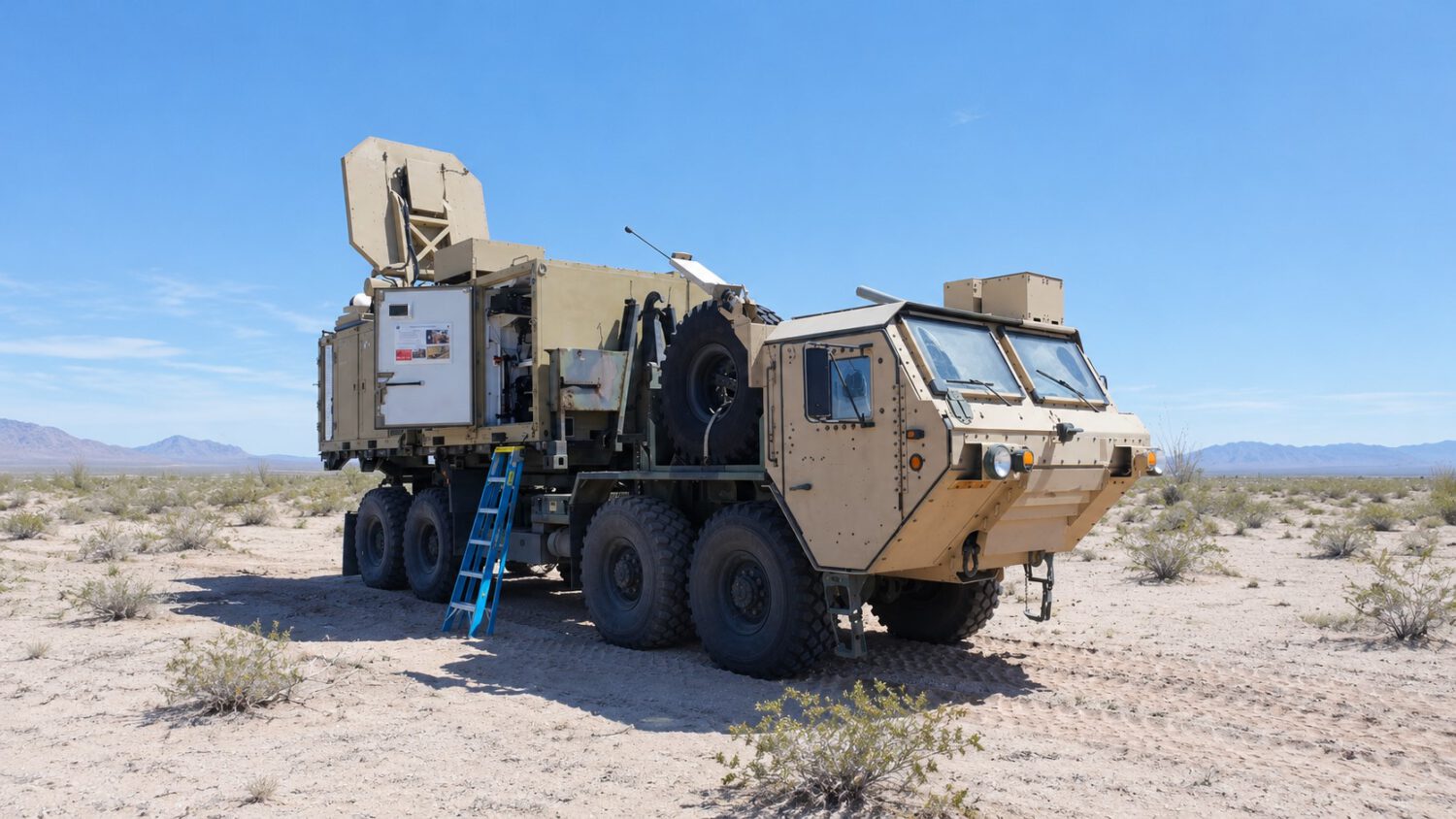
A memo signed by Defense Secretary Pete Hegseth reportedly authorizes the Department of Homeland Security to borrow and test one Active Denial System for seven months beginning in September, according to CNN’s October 21, 2026 reporting. The document permits testing and tactical development for potential border operations; it does not confirm the system will be used against migrants, protesters, or any other group.
The memo also allows DHS to request continued access after the loan period expires.
What the Memo Actually Says
DHS receives the device, the authority, and the accountability, but no operational green light yet.
According to CNN’s account of the memo, the document assigns DHS sole responsibility for the system’s “employment, use and development of tactics, techniques and procedures.” Department of Defense personnel are explicitly barred from operating the device.
A Customs and Border Protection spokesperson, cited by Stars and Stripes, said the agency continuously evaluates technology that could save lives while improving national-security effectiveness. That statement does not confirm any deployment plan.
No test location is specified in the available reporting, and no operational use against migrants or border crowds has been confirmed.
How the Active Denial System Works
It is called a heat ray, but the mechanics are more precise and the risks more complicated than that label suggests.
The ADS emits a 95-gigahertz millimeter-wave beam that penetrates only a shallow layer of skin, according to a National Defense University study. That penetration produces an intense heating sensation designed to trigger an involuntary movement away from the source.
CNN reported the sensation is temporary, with residual tingling or tenderness typically lasting roughly 10 to 15 minutes. The National Defense University study describes the radiation as non-ionizing, and the military classifies the system as non-lethal.
That classification carries a caveat. Stars and Stripes reported that some participants in military testing suffered burns, including cases that required medical attention, so “non-lethal” does not mean risk-free.
A History of Almost
This system has been considered, packed up, and sent home before, more than once.
The U.S. military took ADS to Afghanistan nearly two decades ago and returned it without a single operational use, according to CNN. CBP officials had previously weighed the system for areas with high crossing volumes, but it was never deployed at the border.
During the first Trump administration, officials explored ADS for border use in 2018 and again considered it for protest control in Washington, D.C., in 2020. Neither review resulted in deployment. A surveillance app built by U.S. operatives offers a parallel example of government technology deployed for border-security purposes raising its own oversight questions.
That pattern is relevant context: in each documented U.S. case, consideration did not translate into operational use.
Serious questions remain unanswered in the memo. Who determines rules of engagement once DoD personnel are removed from the picture? What medical safeguards govern DHS operators? What independent oversight applies?
Stars and Stripes flagged a specific concern from prior CBP discussions. A beam operated near the boundary could reach people on the Mexican side, raising cross-border exposure questions the memo does not address.
None of those are confirmed problems at this stage. All of them are legitimate questions the available documentation leaves open.
The real threshold in this story is not the memo. It arrives if DHS identifies a test site, publishes operating rules, or conducts a safety review. A move from testing authorization toward field deployment would mark the clearest escalation, and that step has not yet been confirmed.