Nintendo’s Virtual Boy launched in 1995 with a monochromatic red-and-black display that limited how players could perceive its video games. An independent developer has now built what Nintendo never offered: a free, open-source emulator that renders the Virtual Boy library in full color while preserving stereoscopic 3D across several modern platforms.
VBoy Color is built by GitHub contributor yuk27 and runs on Meta Quest, Windows, Linux, Android, and through RetroArch on macOS and Nintendo Switch homebrew environments.
How the Color System Actually Works
The emulator’s tile-based Color Pack system goes well beyond a simple palette swap.
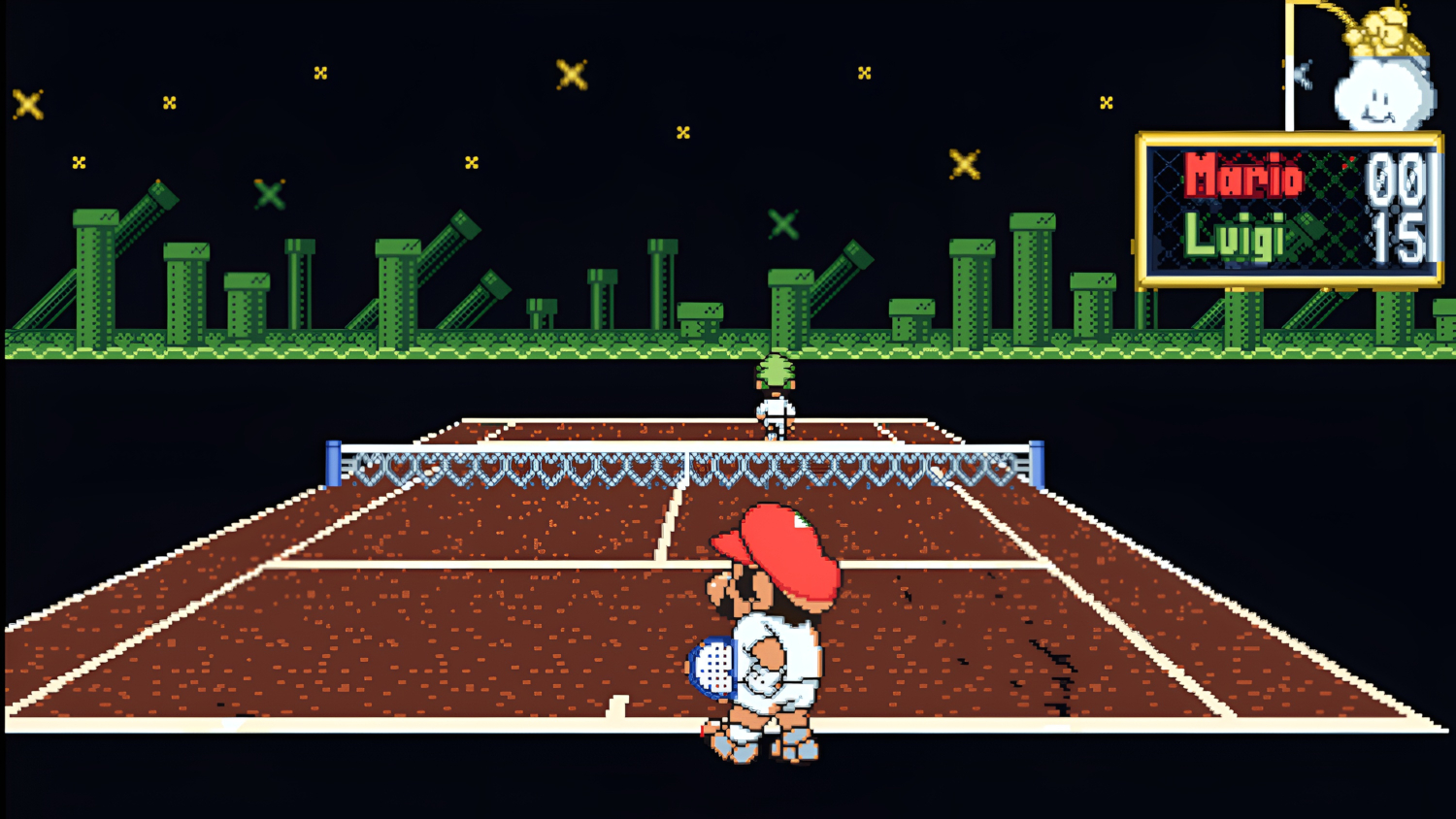
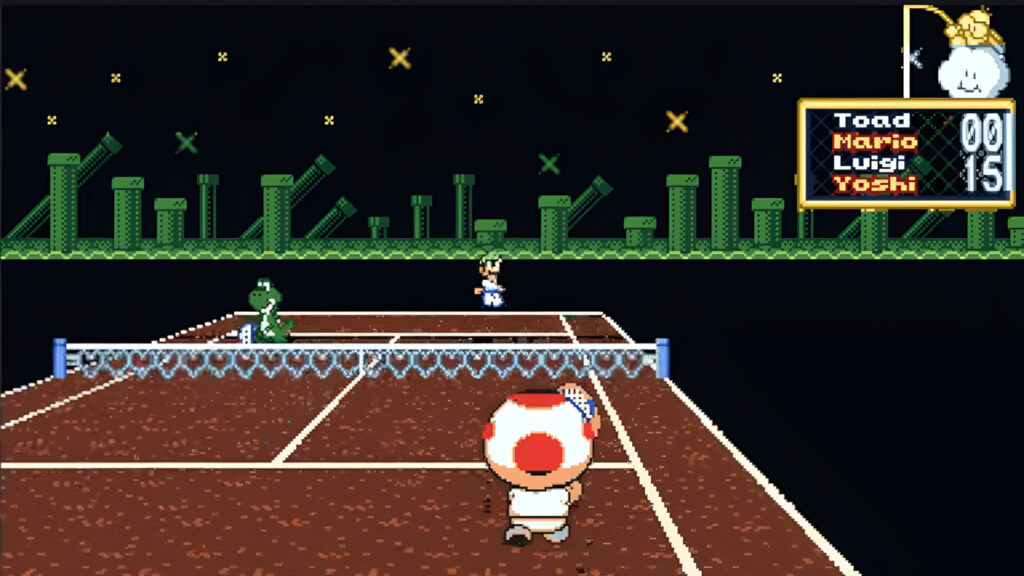
The emulator’s core feature assigns a distinct four-color palette to each individual 8×8 tile in a frame. Rather than replacing the Virtual Boy’s four red shades with a single universal palette, VBoy Color maps colors at the tile level. That detail comes from Ars Technica’s reporting on the project.
That distinction matters in practice. In Mario Clash, the original hardware rendered green pipes, gray platforms, and red brick walls in overlapping shades of red. The tile-specific approach lets the emulator separate those elements into visually distinct colors, according to Ars Technica.
Users can also edit Color Packs with built-in tools, assigning custom palettes beyond the included presets.
Wire-frame titles such as Red Alarm and 3-D Tetris work differently, since their primary scenes are not tile-based. For those games, VBoy Color applies colors or gradients based on the apparent depth of rendered lines. It works, but it is less granular than the tile pack system.
Where You Can Run It
On Meta Quest, the emulator preserves stereoscopic 3D while replacing the original red-only display with full color.
Desktop and Android builds support windowed play and additional 2D display modes. RetroArch integration extends support to macOS and Nintendo Switch homebrew environments, according to the project’s GitHub documentation.
The current beta includes built-in Color Packs for 16 games, among them Wario Land, Mario Clash, Jack Bros., Galactic Pinball, Bound High, and Teleroboxer. Games are not bundled with the emulator; you need to supply your own Virtual Boy ROMs.
What the Beta Gets Right and What It Doesn’t
Active development continues, but beta-stage limitations remain present across several titles.
Missed tiles can produce flickering or isolated uncolored squares, and coverage quality varies between games. Color Packs are manually authored and game-specific, so how complete and polished a title looks depends largely on contributor effort.
The wire-frame coloring method does not offer the same per-element precision as the tile pack approach. Coverage quality across the library may improve as contributors refine those packs over time.
What This Project Represents
VBoy Color treats emulation as interpretation, not strict reproduction of the original hardware experience.
The Virtual Boy’s library is small, and the original hardware and software are uncommon outside collector and resale markets. Color and contrast can make characters, platforms, backgrounds, and interface elements easier to distinguish than on the original display, according to Ars Technica.
The project is an independent fan effort and carries no affiliation with Nintendo. It is available through yuk27’s GitHub repository.