Tucked behind a hotel refrigerator in Kobe, a small computer allegedly ran a large-scale surveillance app-enabled phishing operation that Hyogo Prefectural Police are still unraveling. The hiding spot was deliberately unremarkable. The systemic failure it exposes is not.
Hyogo Prefectural Police allege that Chinese nationals Ye Jiafeng, 39, and Shen Qi, 39, concealed the device in their hotel room and connected it to the property’s Wi-Fi. Japanese police, according to ANN reporting via Yahoo Japan News, believe a separate person remotely operated the transmissions.
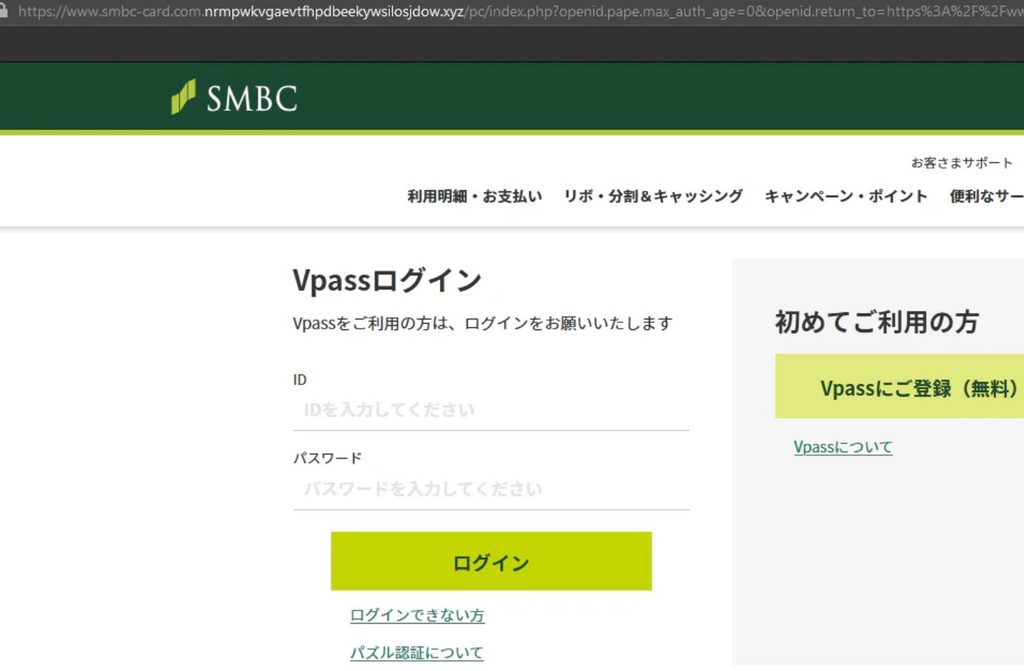
Police found records of approximately 480,000 phishing emails sent from the device, impersonating credit-card companies. Roughly 2.4 million target email addresses were also stored on it. Those addresses represent targets, not confirmed victims; investigators have not established how many people surrendered information.
A suspicious recipient contacted the hotel after noticing something was wrong. Staff found the concealed computer and notified police.
Hotel Networks Are Running on Trust They Haven’t Earned
The Kobe case illustrates how a legitimate local network connection can become cover for a fraud operation when no one is monitoring what guests actually send.
The case does not prove that every hotel network lacks monitoring. It does show what can happen when one does. A guest device generating hundreds of thousands of outbound emails should trigger an alert; in this instance, it apparently did not.
No device fingerprinting, no network disruption monitoring, no email-volume thresholds: those gaps, where they exist, turn a trusted local IP address into useful cover for fraud attribution. The operation allegedly used exactly that kind of cover.
Beyond the phishing allegations, the couple also faces accusations of using payment-card information belonging to others to purchase roughly 470,000 yen in goods at a Kobe commercial facility. Charges reportedly include obstruction of business, computer fraud, unauthorized entry, and unauthorized payment-card use under Japanese law. No convictions have been recorded as of publication; the investigation is ongoing.
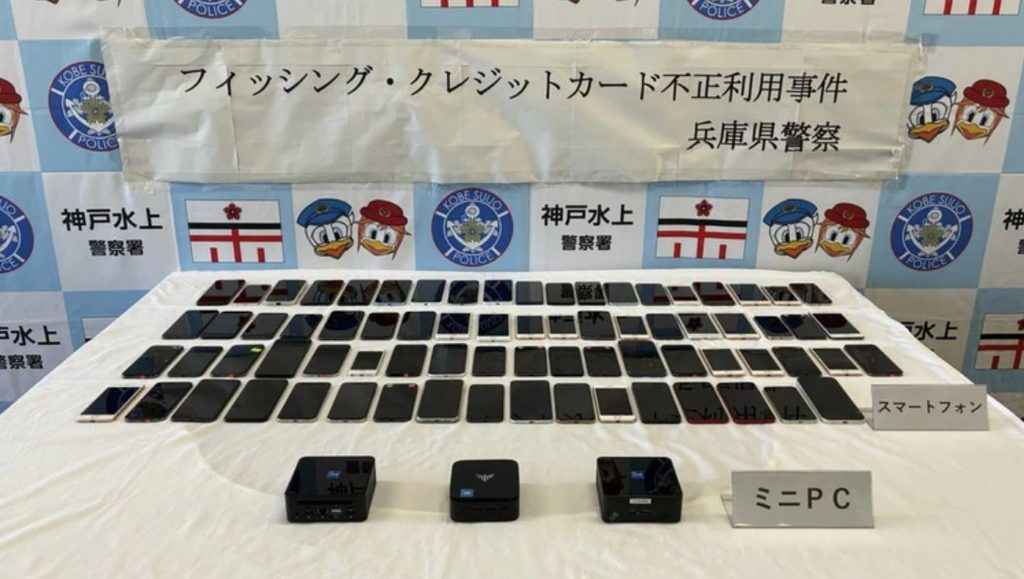
Police also reportedly seized 74 smartphones from the couple’s home and are investigating whether those devices relate to additional suspected fraud. The seizure alone does not establish that every phone was used in criminal activity.
The fixes the industry should consider are not exotic. Guest-network segmentation is already standard practice in enterprise environments. Hotels should apply the same logic: isolate guest traffic from business systems and flag abnormal outbound email volume automatically.
Clearer abuse-reporting channels and log-retention policies would help investigators move faster when something does surface. None of this requires cutting-edge technology. Risks comparable to those posed by public USB charger infrastructure remind us how hospitality venues routinely underestimate shared-network exposure.
Whoever remotely controlled that computer represents a layer of the operation police are still working through. The physical placement and the remote operation were separate functions, which is worth noting. Removing the device from the room would not necessarily have shut down the people directing it.
The room was temporary infrastructure, not a permanent base. That distinction is precisely what hotels and network providers need to account for when they design guest-network policy.
Hotels that want to avoid becoming unwilling participants in an operation like this one should start treating guest Wi-Fi as a monitored business asset, not an unmanaged courtesy service.