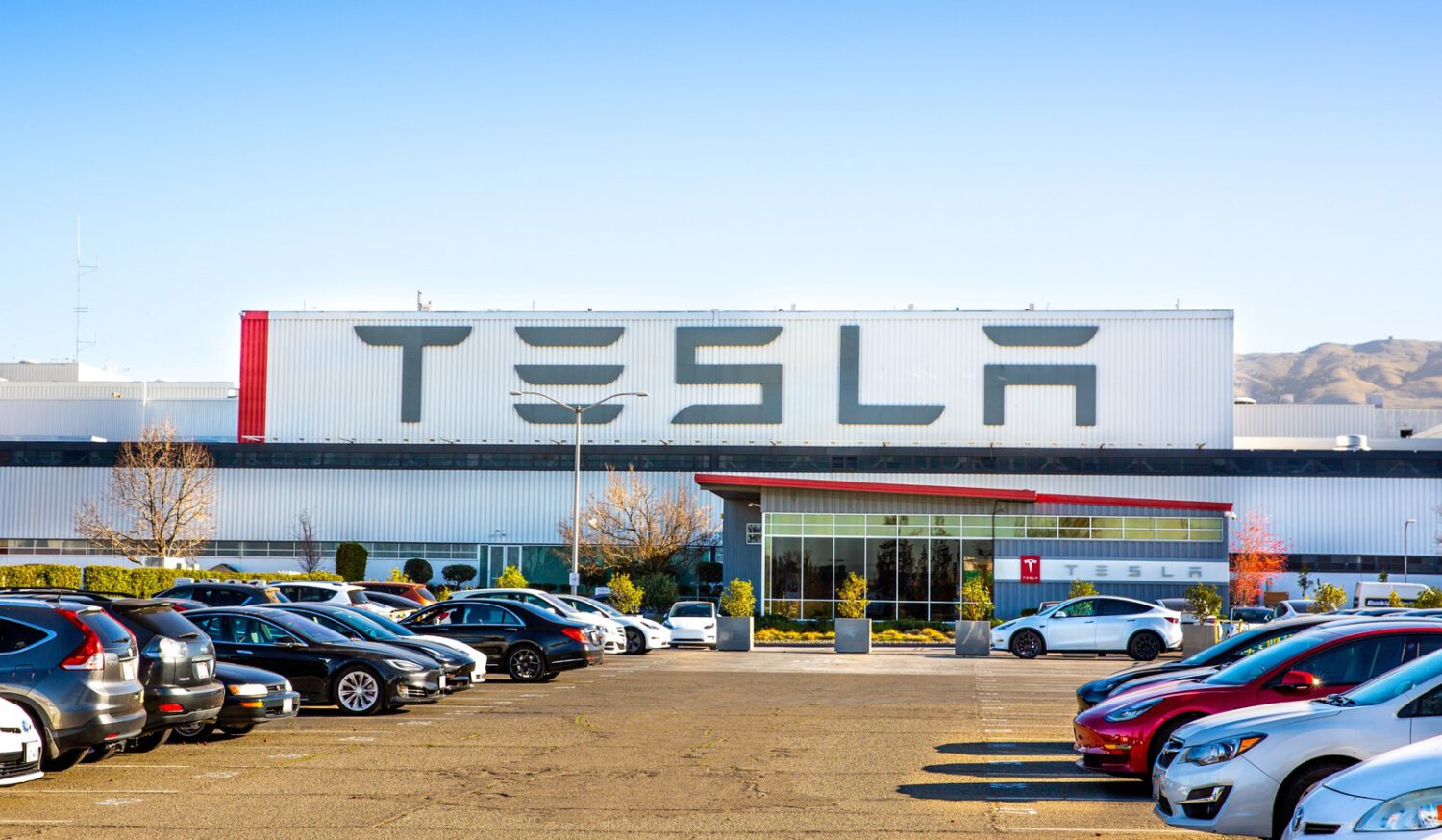
Your parked Model Y could, theoretically, be earning fares while you are not using it. That is the vision Tesla outlined during its third-quarter 2026 earnings call, when VP of autonomous driving Ashok Elluswamy said the company “suspects somewhere around Q2 next year” for activating some customer-owned vehicles in its Tesla Robotaxi fleet.
The operative word is “some.” Tesla’s own language points to an early, limited activation, not a broad consumer launch.
What Tesla Actually Announced
The Q2 2027 target covers a limited initial activation, not a nationwide rollout for every compatible vehicle.
The Cybercab and Model Y share the same core software stack, and Tesla plans to deliver the relevant autonomous capabilities to customer vehicles through its upcoming V15 software release. Participation would not mean unrestricted autonomous driving: enrolled vehicles would need to operate inside Tesla-approved geofenced areas and connect to the company’s fleet-management system.
Consumer interest in the underlying technology is running high. Tesla reported more than 1.7 million paid Full Self-Driving customers globally and a 50% subscription share as of the Q3 2026 earnings call. Purchasing FSD, however, does not automatically qualify a vehicle for unsupervised Robotaxi service, which carries additional technical and operational requirements.
Why the Deadline Is Doubtful
Tesla’s history of autonomous-driving timelines makes Q2 2027 worth treating as an aspiration rather than a firm commitment.
Elon Musk predicted roughly one million Tesla robotaxis operating by 2020. The company’s limited Robotaxi service in Austin launched in summer 2025, several years behind that forecast and with human monitors present during early operations. That gap between announcement and delivery reflects a consistent pattern of setting ambitious autonomy milestones before the supporting infrastructure is ready.
Tesla’s Robotaxi service had reportedly accumulated more than 1 million unsupervised miles by September 2026, which represents meaningful progress. That figure still remains a narrow sample relative to what validating a mixed-owner fleet would require.
Beyond software, the remaining work includes geofence certification and fleet-management integration for privately owned vehicles. Each step carries its own timeline, and regulatory approvals for privately owned vehicles carrying paying passengers add further complexity.
Robotaxi operations are currently confined to limited portions of a small number of U.S. metro areas, according to reporting from The Verge, so any initial owner participation would likely face the same geographic constraints.
What the Economics Look Like, and What Tesla Has Not Said
The passive-income opportunity is real in concept; the actual terms remain undefined as of the Q3 2026 earnings call.
Tesla had not publicly disclosed the revenue split between the company and participating owners as of that call. It had also not outlined owner expenses, depreciation impact, insurance arrangements, or the liability framework that would govern crashes involving a customer-owned vehicle carrying paying passengers. Understanding what a car costs less to operate matters when evaluating whether fleet participation makes financial sense.
Geographic restrictions are supported by Tesla’s geofence requirement, and additional eligibility rules around vehicle condition are anticipated, though Tesla has not detailed those terms publicly. Until those disclosures arrive, enrolling your Model Y in the Robotaxi network is a business concept, not a predictable financial proposition.
The most practical step for Model Y owners right now is to watch for V15 release details and any eligibility criteria Tesla publishes before making financial plans around fleet participation. A Q2 2027 pilot, if it arrives on schedule, would likely serve a narrow set of vehicles in a narrow set of cities, with broader access depending on whether the regulatory, safety, and economic groundwork gets laid in time.