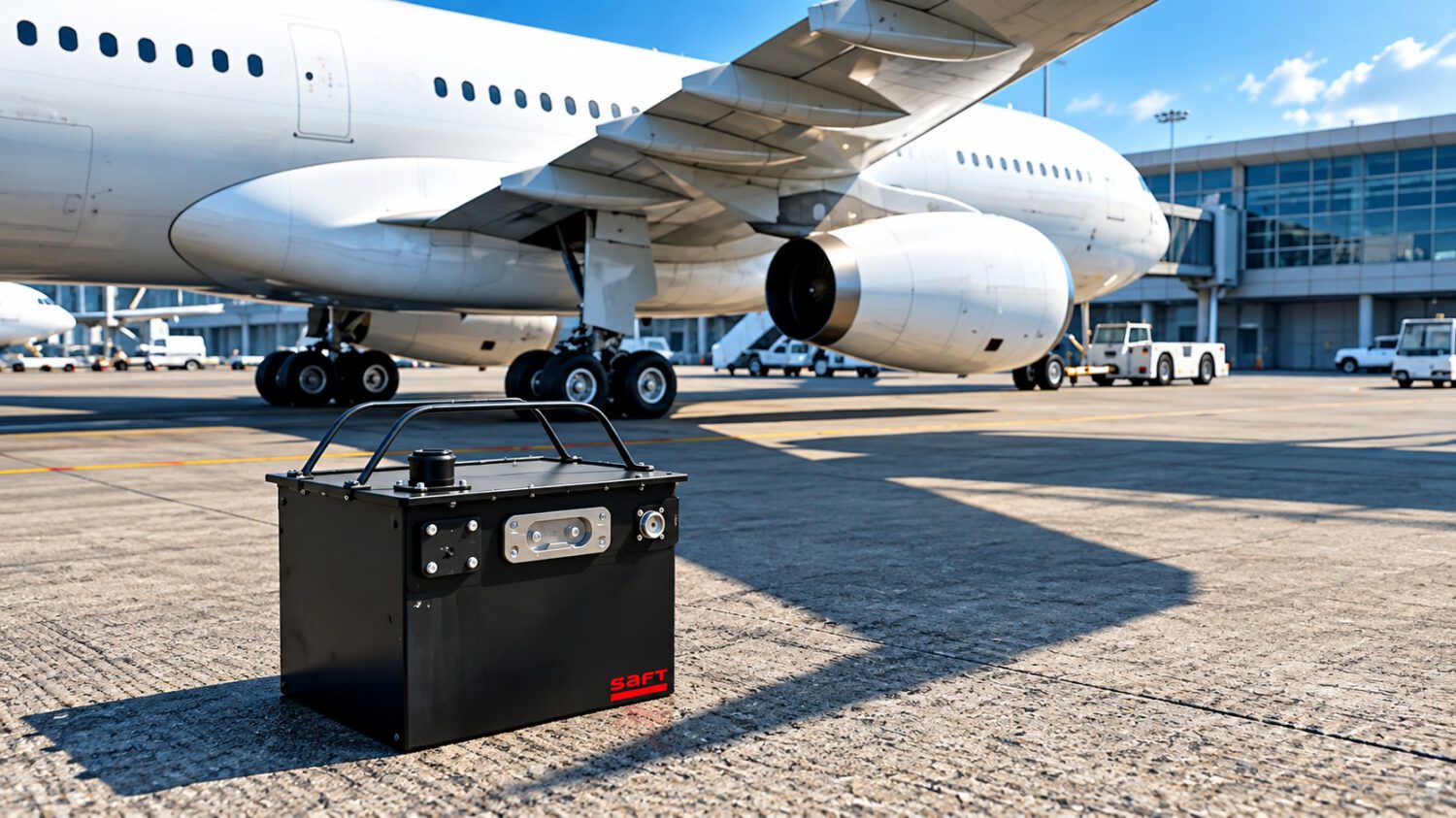
TotalEnergies subsidiary Saft inaugurated what it describes as France’s first dedicated solid-state battery production lines on October 19, 2026, at its Bordeaux facility. The lines target aerospace and space applications, and the opening marks a meaningful production step, though it stops well short of a flight-ready electric aircraft announcement.
Two Technologies, One Facility
Bordeaux now runs two solid-electrolyte technology pathways under one roof, each with its own performance and manufacturing claims.
The facility supports polymer-based semi-solid batteries and sulfide-based all-solid-state batteries, both manufactured at room temperature. Four details define what Saft is claiming at this stage:
- Two technology pathways: polymer semi-solid and sulfide all-solid-state
- Room-temperature manufacturing, which Saft describes as France’s first combined capability of this kind
- Up to 50% greater energy density versus conventional lithium-ion cells, a manufacturer-reported potential improvement, not a verified pack-level result
- Up to 40% lower CO2 emissions at the electrode-manufacturing stage, attributed to a dry-electrode process, and not a lifecycle emissions figure
Each claim carries that qualifier for good reason. Cell-level energy density gains do not automatically translate to equivalent gains in a complete aircraft battery system. Pack design, cooling, and structural integration all reduce the headline number.
What the Safran Partnership Actually Means
Cells are already at Safran’s test center in Niort, but testing and certification are very different things.
Saft has delivered semi-solid-state cells to Safran for evaluation at Safran’s System Test Center in Niort, France. Most of those cells are intended for validation and integration work. Safran’s program is expected to expand to solid-state cells and battery systems from 2027, though that scope covers development and testing, not aircraft certification or commercial service entry.
No production capacity figures, investment amounts, specific aircraft models, or commercial delivery timetables were disclosed in the announcement. The absence of those details matters: it positions Bordeaux as a development and pilot-production facility, not a confirmed path to near-term flight hardware.
What to Watch Next
The real proof arrives in independently verified data, not press releases.
The Bordeaux lines represent a concrete industrialization step following years of research and development by Saft. Whether that capability delivers on its potential depends on evidence still to come. That evidence includes independently verified cell and pack energy density, cycle life, thermal behavior under aviation operating conditions, and progress toward regulatory certification through EASA or an equivalent authority.