Every EV road trip eventually arrives at the same moment: you’re staring at a charging station, doing the math on whether a 45-minute stop blows your entire schedule. Sunwoda EVB has made a credible case that this math is about to change.
The Chinese battery maker unveiled its 15C LFP “smart flash charging” system at a battery industry conference in Zaozhuang, Shandong, on September 16 and 17, 2026. The headline claim is a charge from 10% to 97% in 9 minutes at room temperature, adding roughly 100 km (62 miles) of range per minute of charging.
The company presented verified technical specifications at the conference, but commercial deployment in consumer vehicles remains pending.
What the Numbers Actually Mean
The core specs are impressive, but the peak charging rate and the average charging rate are two different things.
The charging profile breaks into two stages: 10% to 70% SOC in about 5 minutes, then 70% to 97% in roughly 4 more minutes, all at room temperature, according to battery-tech.net citing conference materials. Sunwoda stated directly that “a 1-minute charge can add 100 kilometers of range, while the battery supports a driving range of more than 700 kilometers.”
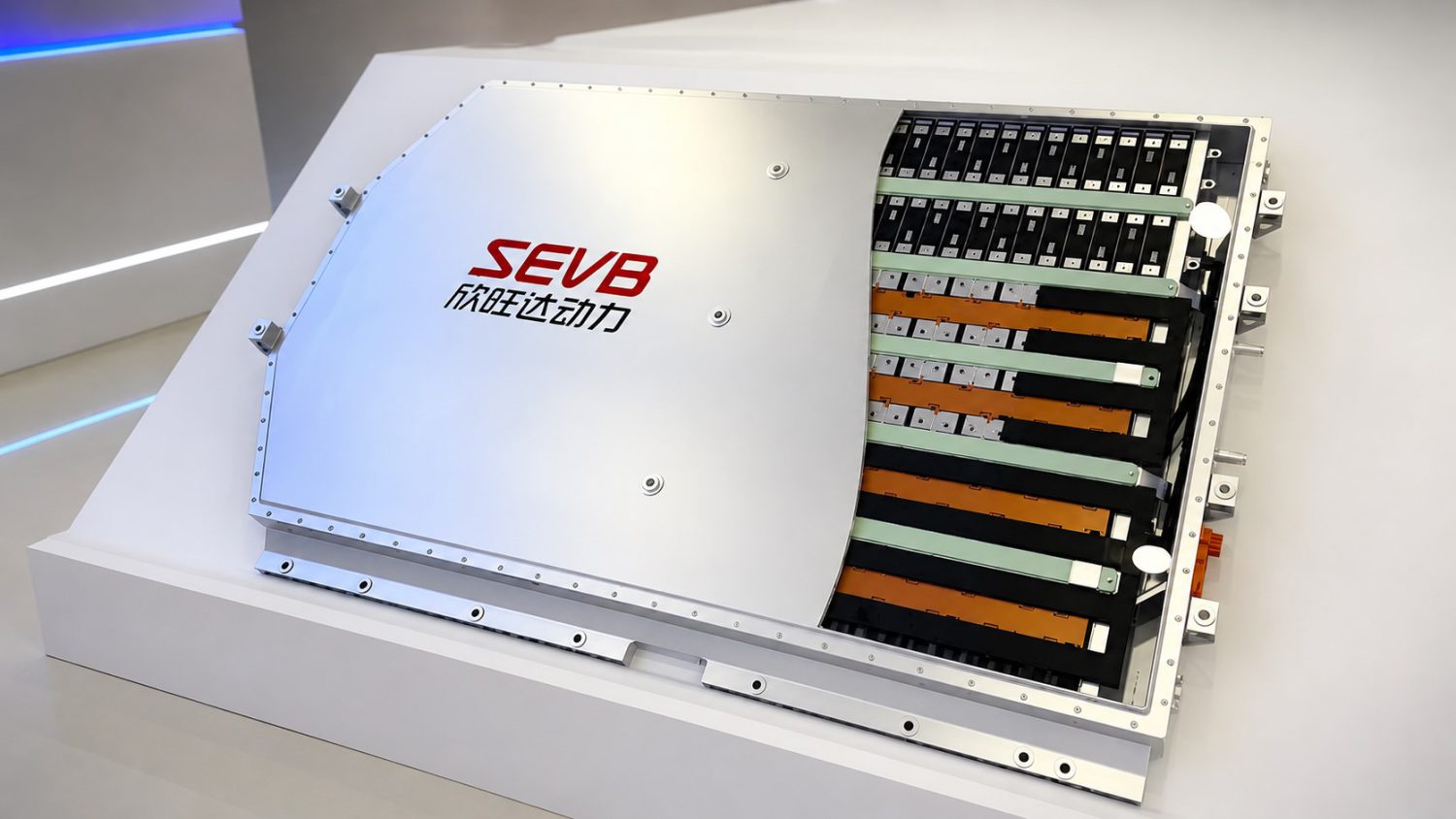
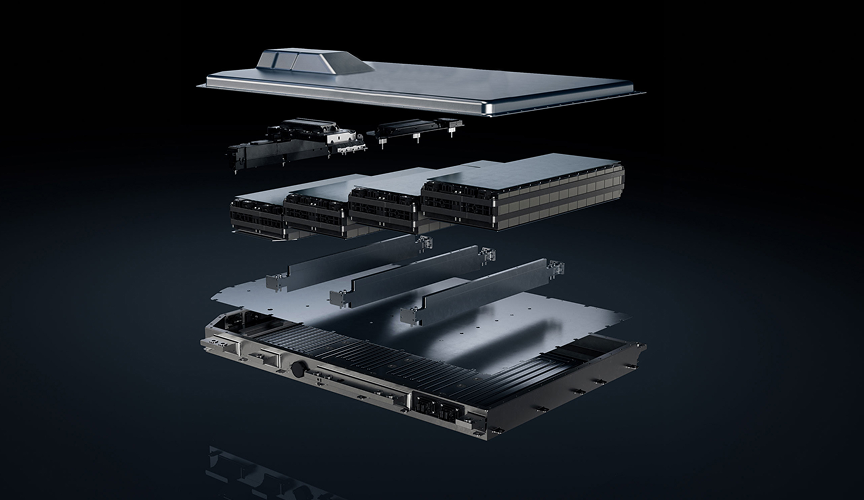
The pack behind these numbers is Sunwoda’s Xingchi Supercharge Battery 2.0, an LFP unit with roughly 98.8 kWh of capacity. It operates at about 844.8 V with a peak current of approximately 1,800 A, per carnewschina.com.
The fine print matters here. The 15C figure is the peak instantaneous charging rate, not the average across the full session. Independent technical analysis from electrive.com puts the actual average C-rate closer to 6 to 7C over the 9-minute window, which is still extraordinarily fast by any current standard.
Cold-Weather Performance
Sunwoda claims the battery holds up at minus 20 degrees Celsius, where most fast-charging performance falls apart.
At minus 20 degrees Celsius, the company states the battery can still charge from 10% to 97% in 15 minutes, adding up to 700 km (435 miles) of range, according to reporting by cnevpost.com and digitaltoday.co.kr. Drivers in cold climates, where charging speeds commonly drop in low temperatures, will recognize why that claim matters as much as the room-temperature headline.
The Infrastructure Problem No One in the Press Release Mentioned
The 9-minute charge requires megawatt-class charging stations, and only a handful of locations worldwide currently support that level of power delivery.
Reaching these speeds requires megawatt-class charging stations. As of now, only a handful of locations worldwide support that kind of power delivery, according to newmobility.news.
Sunwoda’s stated answer is to build 10,000 megawatt charging stations by the end of 2027. These would be backed by solar-plus-storage microgrids designed to handle intense, clustered power loads without destabilizing local grids, per battery-tech.net. Whether deployment keeps pace with the ambition is an open question the available research does not resolve.
On durability, Sunwoda claims the system carries a 10-year or 300,000 km warranty with no stated limit on ultra-fast charging sessions, according to battery-tech.net. That directly addresses the concern that flash charging quietly degrades your battery over time.
The path to production vehicles runs through Sunwoda’s existing customer relationships with Geely, Dongfeng, and GAC, per interestingengineering.com. Those are high-volume automakers, which matters for any realistic path to scale.
Context
Sunwoda’s announcement is the latest step in a rapid charging-speed progression, and it arrives inside a broader Chinese flash-charging race.
Sunwoda progressed from roughly 4C capability around 2022 to 6C around 2024 to 15C LFP now, per carnewschina.com. It is competing alongside BYD and CATL, and China is where these technologies will arrive in consumer hands first.
Nothing changes for your next charging stop today. The direction, though, is clear. If the infrastructure follows the battery, charging an EV starts to feel less like a dinner break and more like a gas station stop. The 2027 station-deployment target is the milestone worth watching.