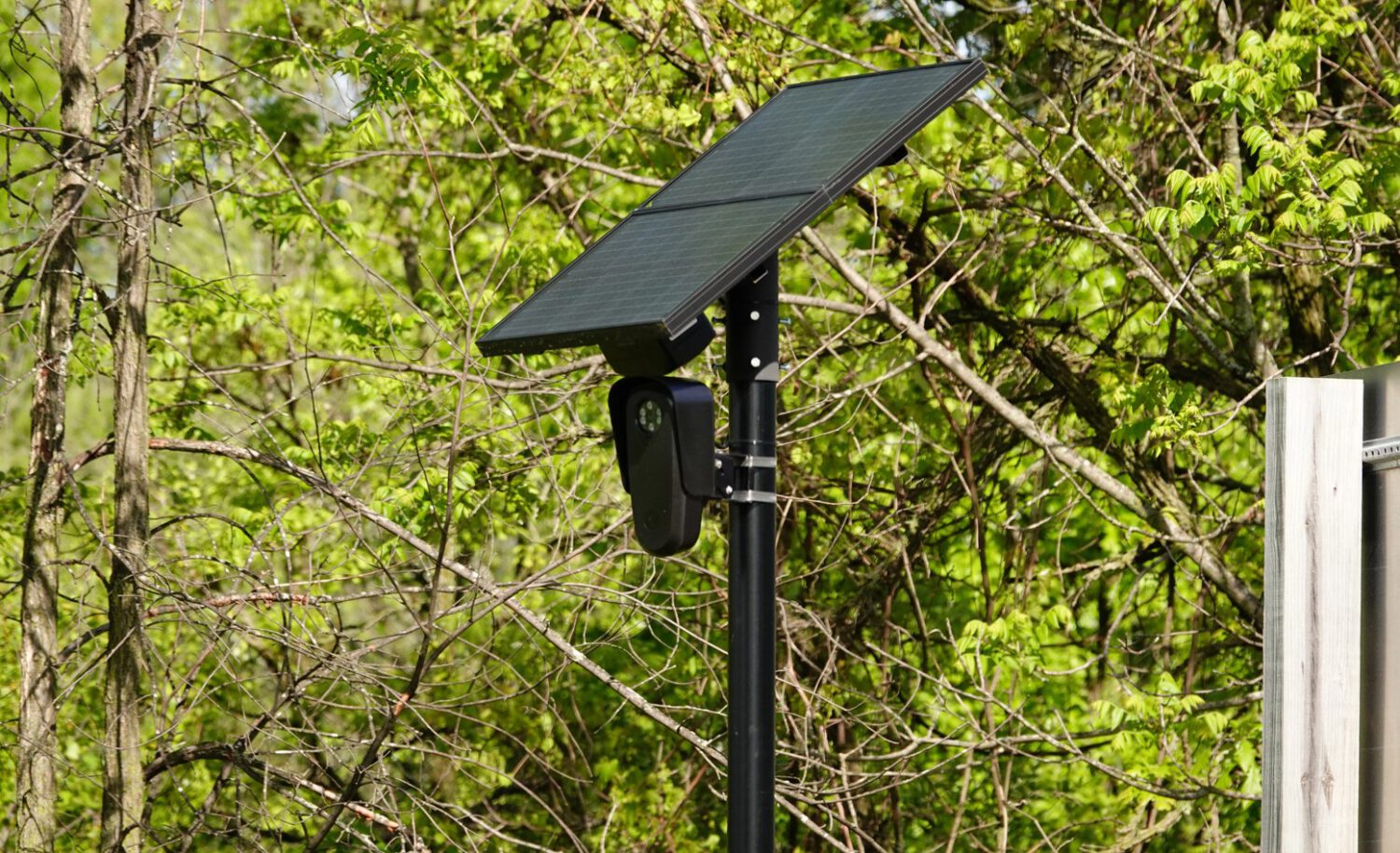
A January 2026 study by Christopher Newport University’s Center for Crime, Equity and Justice Research found that Black residents in Hampton Roads were far more likely than white residents to live in census tracts containing automated license-plate readers. That disparity is not a bug in the design. It reflects where the cameras were placed.
Henrico County ended its Flock Safety contract on October 6, 2026. Richmond announced it would not renew its own contract four days later. Neither decision guarantees that a single camera comes down.
The Map Does Not Lie
The numbers from Hampton Roads describe a surveillance footprint that follows the geography of historical segregation.
Researchers found ALPR cameras in one of two majority-Black census tracts in Virginia Beach, compared with five of 76 majority-white tracts. The census tract with the densest camera concentration was near Norfolk State University, a historically Black university, placing a heavy surveillance presence around the campus and surrounding neighborhood.
That location data only became public after a federal judge ordered Norfolk police to release ALPR records in November 2025, in a privacy-rights lawsuit. Without that court order, the pattern would likely have remained hidden.
Camera placement did not create these disparities. Redlining, disinvestment, and decades of concentrated policing came first. The cameras followed a map that history had already drawn.
If you live or study near Norfolk State, your daily commute is a data point in a system you never consented to join.
Dropping Flock Is Not Dropping Surveillance
Canceling one vendor contract leaves the underlying surveillance model entirely intact.
Henrico cited privacy concerns and the risk of misuse by outside parties. The county had already revoked Flock access for fire investigators after determining their searches violated Virginia law. That episode illustrates a persistent problem: access controls and statutes define what counts as a violation, but they do not prevent one from occurring.
Richmond Mayor Danny Avula framed the nonrenewal partly around practicality. Henrico’s exit weakened the regional network’s usefulness, which reduced the case for renewal. Richmond, however, has not committed to ending automated plate surveillance. Local reporting has identified Axon and Motorola as possible replacement vendors, though those names require confirmation from procurement records before being treated as definitive.
Swapping a vendor is not reform. It is a logo change.
Heavier policing in specific neighborhoods generates more enforcement data. AI systems then read that data as evidence those same neighborhoods need more surveillance. The inequality becomes self-reinforcing, and it wears the costume of objectivity because software produced the output.
Norfolk Commonwealth’s Attorney Ramin Fatehi has argued, according to available reporting, that data brokers collect and sell personal information with far less public scrutiny than police cameras attract. The existence of a worse actor does not excuse a harmful one. It also does not answer why students driving to class near Norfolk State should have their movements logged by default.
What Reform Actually Requires
Regulating data after it is collected, without addressing where cameras go, leaves racial and economic disparities untouched.
Virginia law reportedly limits routine ALPR data retention to 21 days without reasonable suspicion; the precise statutory language requires direct citation before publication. The Virginia Crime Commission reportedly identified agencies secretly tracking users beyond that limit and sharing records outside permitted investigations, but those findings require verification against the commission’s primary report. Concerns about federal agencies obtaining local ALPR data through cooperative departments despite local restrictions similarly require primary-document confirmation.
Meaningful reform starts with placement criteria subject to public notice and independent review. It also requires hard retention limits with auditable enforcement. Explicit prohibitions on interstate and federal data sharing are equally necessary, as are real penalties when agencies violate the rules.
Dropping Flock is a starting point, not a finish line. If Virginia localities sign with another vendor and install cameras in the same neighborhoods, the map will look identical. Elected officials now have the study, the numbers, and the political moment. The question is whether they follow the data or follow the path of least resistance.