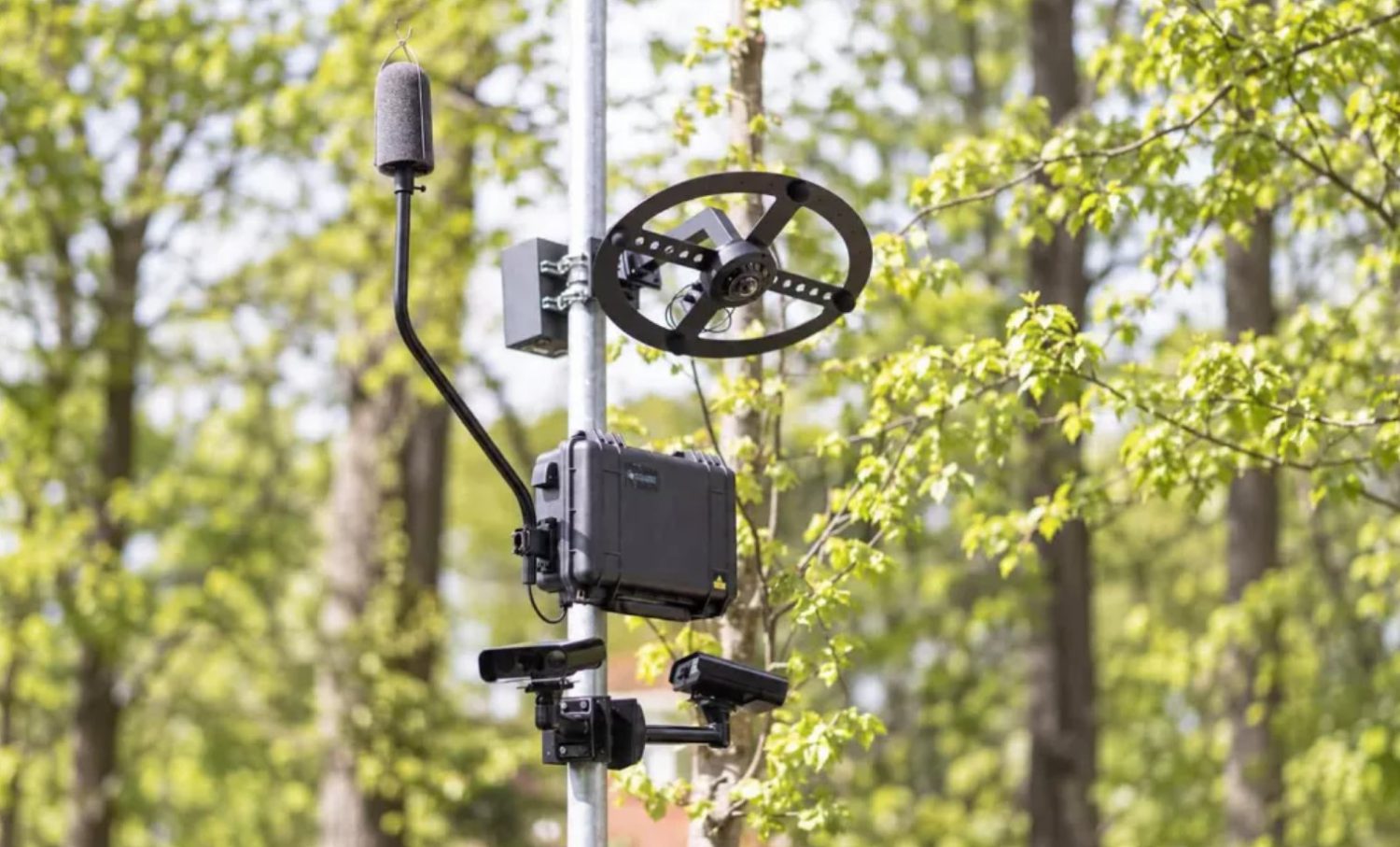
A driver with a modified exhaust rolls past a shoreline street in West Haven, Connecticut. A microphone registers the spike. A plate reader captures the plate. An email lands in a police inbox for review before any citation is issued. Cities are pairing acoustic sensors with existing license plate reader networks, and in places like New York City, muffler violations already carry penalties between $800 and $2,625. The policy scaffolding around these systems, specifically who sets the threshold, who reviews the flag, and who owns the data, is still being assembled while the hardware goes up.
The System Is Already Running, Just Not Finished
New York City offers the clearest operating example of how acoustic enforcement actually works at scale.
Twelve cameras generated 15,994 detected noise events in 2025, according to the city’s annual report, and produced 1,691 summonses. That 11% conversion rate shows human reviewers are filtering events before a citation goes out, which reflects the right instinct for a system this consequential.
It also leaves an obvious question open: what accounted for the other 89%? The city has not published a breakdown of why flagged events did not result in summonses, which makes independent accuracy evaluation difficult.
West Haven is further behind. The city purchased AXIS Audio Analytics devices to pair with already-installed Rekor plate readers along its shoreline streets, but one device sits installed and inactive while officials work out the sound threshold and remaining ordinance details.
Connecticut’s state framework sets 80 decibels as the statutory trigger and structures penalties as a written warning for a first violation, a $100 fine for a second, and $250 for subsequent violations. West Haven has not yet locked in its own parameters.
Mayor Dorinda Borer says the system targets aftermarket mufflers and engine revving, not someone playing music at a stoplight. That is a reasonable goal and also an unverified one until the decibel threshold is published and the ordinance specifies it. Wethersfield and East Hartford both approved similar ordinances, and neither system was active as of the latest reporting.
The Parts Cities Still Need to Get Right
Three specific gaps deserve direct pressure before any of these systems go live.
Calibration comes first. No published false-positive data exists for West Haven’s planned deployment, based on the sources reviewed. NYC’s high drop rate suggests meaningful filtering is happening, but without knowing why flagged events did not produce summonses, no one outside city hall can fully evaluate accuracy from the aggregate totals alone.
Data retention is the second gap. West Haven officials say the city owns the data and will not share it with third parties via any surveillance app or external platform, which is a start. “Won’t share” is not the same as “has a defined retention limit,” and the operational details reportedly remain unspecified. Connecticut’s framework limits plate capture to the violating vehicle, excluding bystanders to the extent possible, but how data is stored and for how long still need published answers.
The appeal path is the third gap, and arguably the most consequential. Automated flagging with human review is meaningfully better than fully automated ticketing. Connecticut’s statutory framework does require that municipalities allow people to contest citations at a hearing and specify available defenses, but West Haven’s ordinance has not yet published the complete implementation of that process. That gap is where a flawed ticket becomes a genuine problem for the driver receiving it.
Dallas offers a useful reference point. AI cameras mounted on garbage trucks there photographed properties and assigned blight ratings, and the deployment raised serious concerns about whether the appeals process was adequate before enforcement began. Deploying sensor technology ahead of governance is a recurring pattern, not an isolated misstep.
What Good Implementation Actually Looks Like
Cities that want public trust have a straightforward checklist, and none of it requires waiting for the first complaint.
Publish decibel thresholds before activation. Post annual program reports so residents can evaluate whether the system is performing as officials claim, the way NYC does with its noise-camera data. Establish a written, accessible appeal process before the first fine goes out. The technology can detect a loud vehicle; drivers facing costly exhaust citations may also find value in DIY car fixes to address underlying issues proactively. The policy framework needs to catch up with the hardware before enforcement begins, not after.