The 1970s detonated the motocross world. Innovation wasn’t optional; survival demanded radical designs that redefined speed, handling, and endurance. Manufacturers—many of them fresh faces—launched a full-throttle race for supremacy, turning engineers into legends alongside riders. Eight machines earned their spot on this list through pioneering designs and competitive breakthroughs that set new standards. Suspension systems made rivals look ancient; engines delivered power that separated contenders from also-rans.
8. Bultaco Pursang 250 (1970 Mark IV / Model 68)
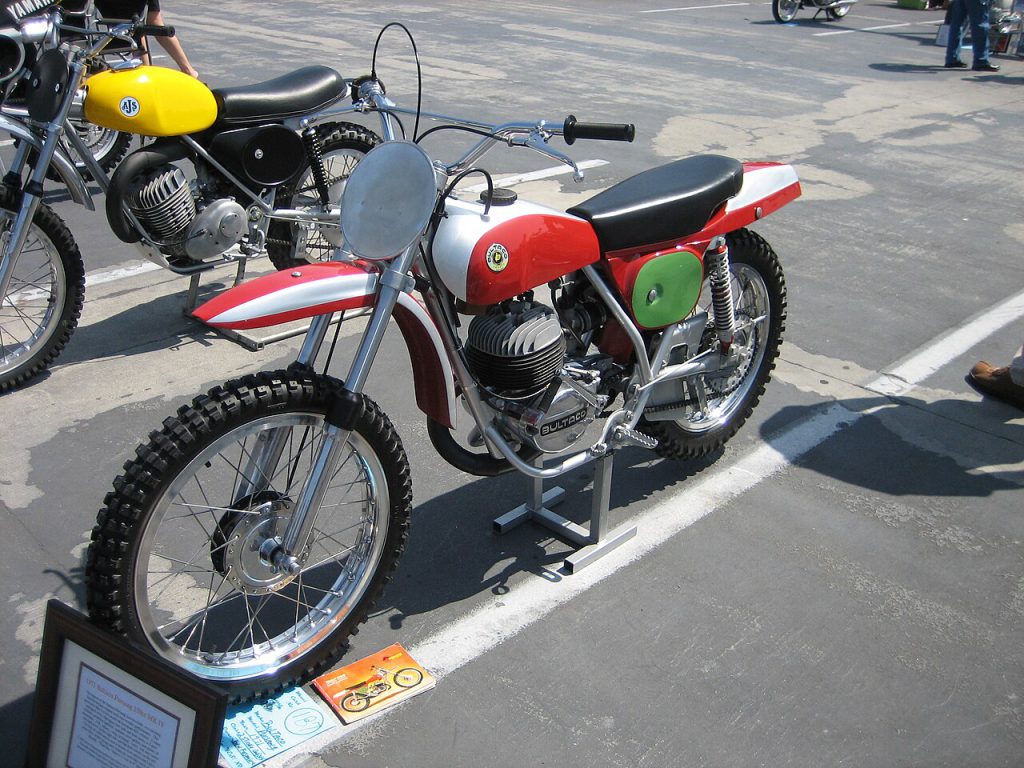
Spanish engineering met American ambition in a lightweight package that demanded commitment.
The 1970 Mark IV featured a 244-cc single-cylinder two-stroke engine delivering 34–35 hp while weighing just 100 kilograms (220.4 lbs) dry. This established the American off-road standard before Japanese rivals gained traction. Riders had to swing the back end out like stunt performers, making precise inside lines challenging but effective.
The Spanish points and condenser ignition proved unreliable, failing at critical moments. Yet competitive success was undeniable. On April 8, 1973, Jim Pomeroy became the first American to win a 250cc World Championship Grand Prix, riding a Bultaco Pursang MK6 at the Spanish GP. This European machine set the initial motocross performance benchmark in America.
7. Penton 125 Six Day (1968–1973)
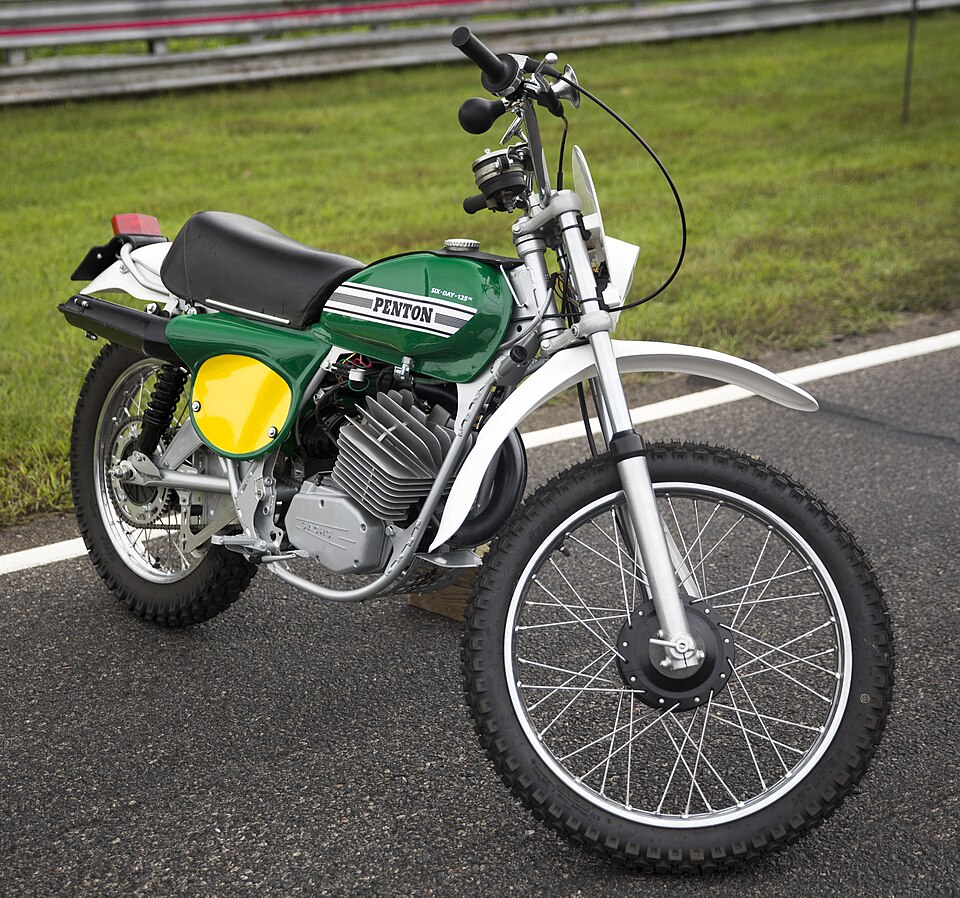
John Penton built his brand through strategic outsourcing, creating a competitive package that sold over 25,000 units in America.
Penton outsourced frames to KTM in Austria and sourced 125-cc Fichtel & Sachs two-stroke engines from Germany. The result paired a five-speed gearbox with Ceriani front forks and a durable 2.5-gallon steel fuel tank. The distinctive fiberglass tank, strapped with a leather belt, made it instantly recognizable at ISDT and AMA events.
Ray Lopez’s 1973 victory at a significant independent 125cc motocross event on a Penton 125 underscored its competitive edge against Japanese and European manufacturers. The bike’s reliability and accessible power delivery made it the brand’s most popular displacement, helping Penton sell tens of thousands of units between 1968 and 1978.
6. Suzuki TM400 Cyclone (1971–1975)
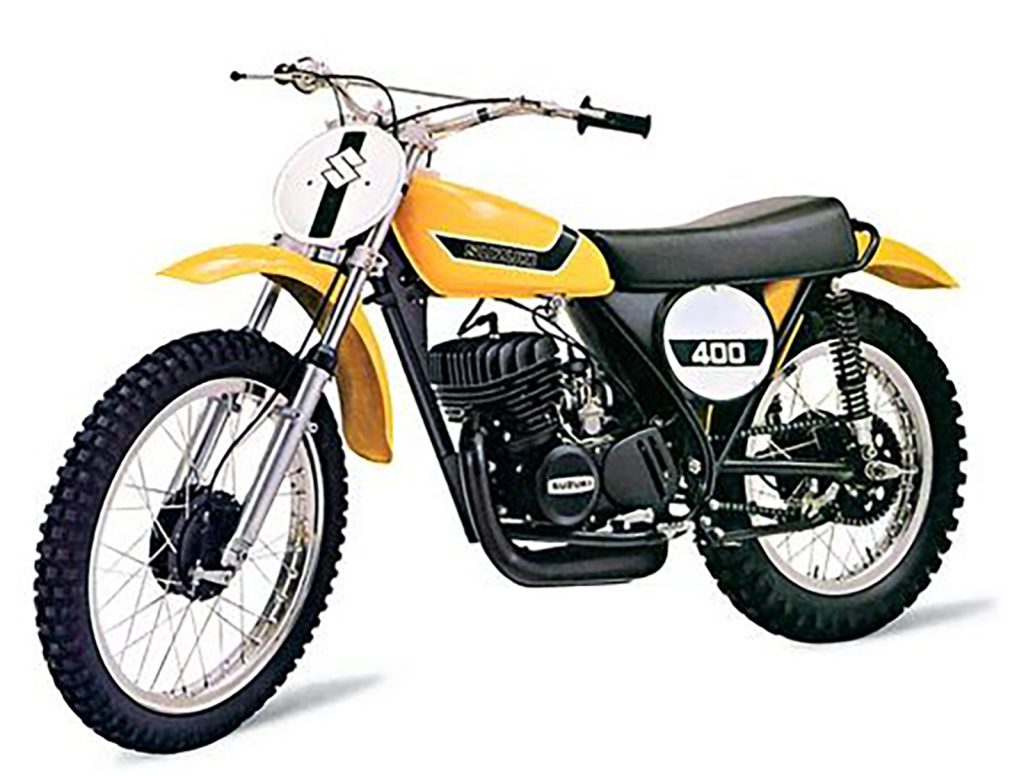
Raw power without precision often leads to chaos, as the TM400 proved spectacularly.
The 1971 Suzuki TM400 Cyclone packed 40 horsepower from its 396-cc air-cooled engine. Initially priced at $999, it promised raw power but delivered unpredictable handling. The sudden power delivery around 6,850 rpm made for a wild ride; the power band had a mind of its own, catching riders off guard like bad firmware constantly needing correction.
Dirt Bike Magazine later ranked it among the worst-handling production motorcycles, citing its compromised chassis. Despite Suzuki’s factory team winning championships with other models, the Cyclone became a costly lesson. Production ended by 1975, proving that overwhelming power needs equally refined handling to succeed in competition.
5. Honda CR250M Elsinore (1973)
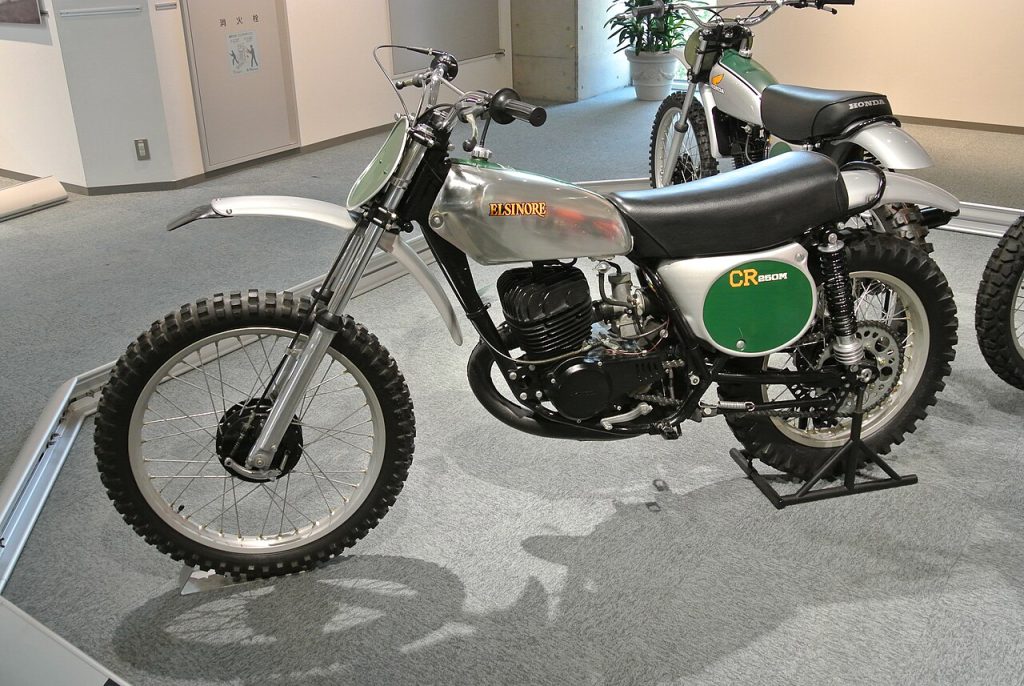
Honda’s bold pivot from four-stroke heritage delivered an immediate championship and reshaped American motocross.
Named after California’s Lake Elsinore Grand Prix, the CR250M featured a 247.8-cc single-cylinder two-stroke producing around 29 horsepower at 7,500 rpm. The revolutionary feature was lightweight construction combining an aluminum fuel tank with plastic fenders and bodywork. This approach made the bike lighter, cheaper, and far more crash-resistant than European rivals.
Priced at $1,145, the Elsinore’s smoother power band outclassed unpredictable competitors. Dealerships across America sold out quickly. Gary Jones cemented its legend by winning the 1973 AMA 250cc National Motocross Championship in the bike’s debut season, proving Honda’s commitment to two-stroke competition was genuine and immediate.
4. Kawasaki KX125 & KX250 (1974)
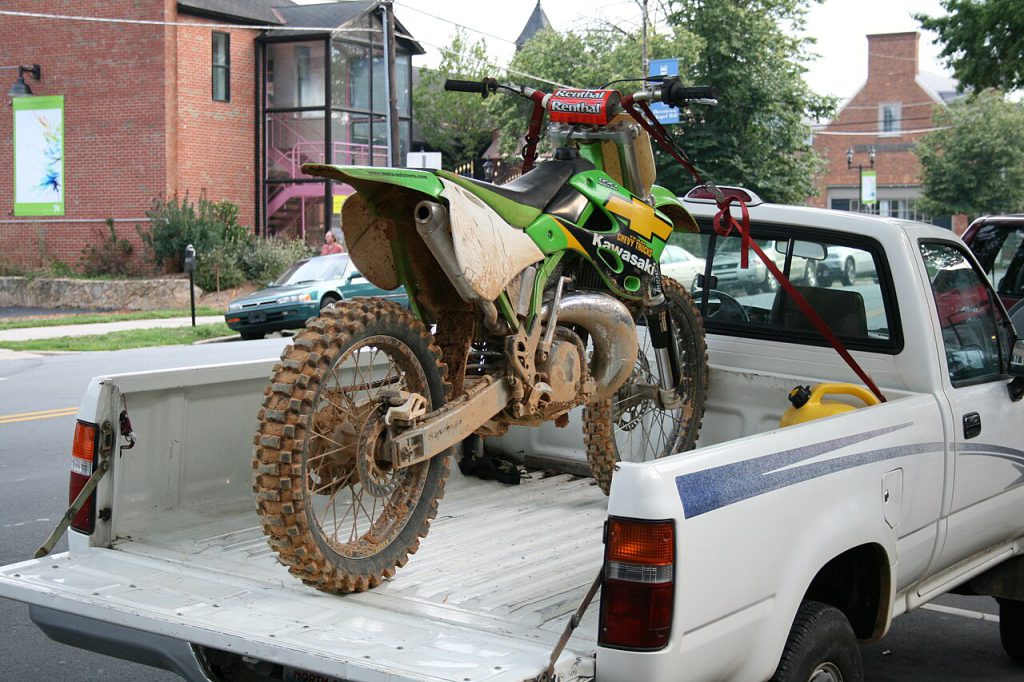
Kawasaki’s dual-intake strategy showcased engineering indecision that initially paid dividends before creating problems.
The 1974 KX line marked Kawasaki’s departure from repurposed scramblers. The KX125 weighed 199 pounds dry, featuring a rotary disc valve and six-speed gearbox. The KX250, priced at $1,150, ran a 246-cc piston-valve engine delivering approximately 36 horsepower through a five-speed transmission. This split approach hedged bets on competing technologies.
Jimmy Weinert’s 1974 AMA 500cc National Motocross Championship win on a KX proved these machines’ capability. However, the technological ambivalence created development challenges. While Kawasaki skipped certain model years in the late 1970s, the KX line eventually evolved into one of motocross’s most enduring platforms through focused refinement.
3. Yamaha YZ250 Monocross (1974–1975)
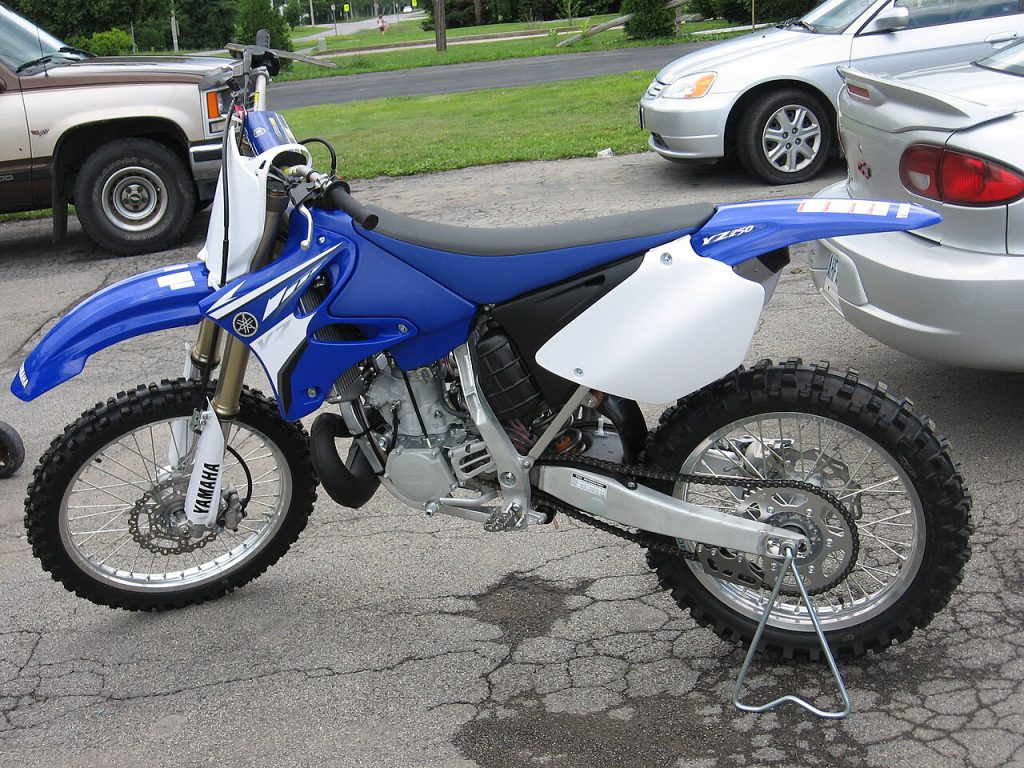
Håkan Andersson’s 1973 250cc world championship on a Yamaha prototype introduced a suspension standard that reshaped the sport.
Lucien Tilkens developed the Monocross system, replacing twin shocks with a single, centrally mounted unit. Suzuki had rejected Tilkens’ patent; Yamaha capitalized on this misstep. The production YZ250B sold for $1,595, featuring a 246-cc piston-port engine with a five-speed gearbox and significantly more rear wheel travel than conventional setups.
Early designs cooked shock oil under hard racing, creating frustrating reliability issues. Yamaha spent years resolving thermal problems. Yet Pierre Karsmakers dominated AMA nationals on early YZ Monocross machines, and bold ideas that overcome initial glitches become industry standards. This single-shock system pushed the industry toward today’s long-travel suspension designs despite early challenges.
2. Maico 400 & 440 (mid-1970s)
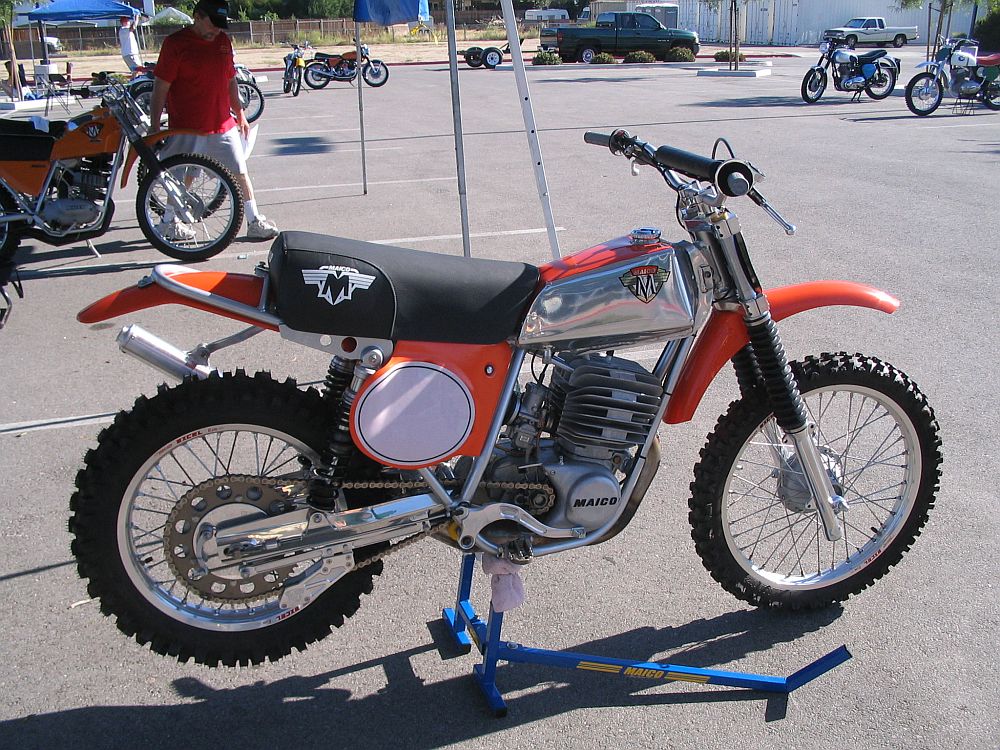
German engineering delivered exceptional handling wrapped in chronically fragile packaging.
The MC 400 produced 43 hp in the mid-1970s, making these German machines expert-class mainstays. The MC 440 hit 47 hp from Bing carburetors (36–40 mm depending on specification). Maico invested heavily in chassis and suspension development, creating bikes with exceptional handling. Front travel evolved from 7 inches on early models to 12 inches on later iterations.
Despite dynamic prowess, the “Maico breaker” nickname stuck due to recurring reliability issues. Adolf Weil’s 1973 Trans-AMA success proved their competitive spirit. A 400 GP model weighing around 234 lbs often demanded constant wrenching. The chassis-first strategy eventually hit its wall as rivals offered refined long-travel suspension without frequent breakdowns, making Maico’s piston-port engines seem outdated.
1. Suzuki RM250A (1976)
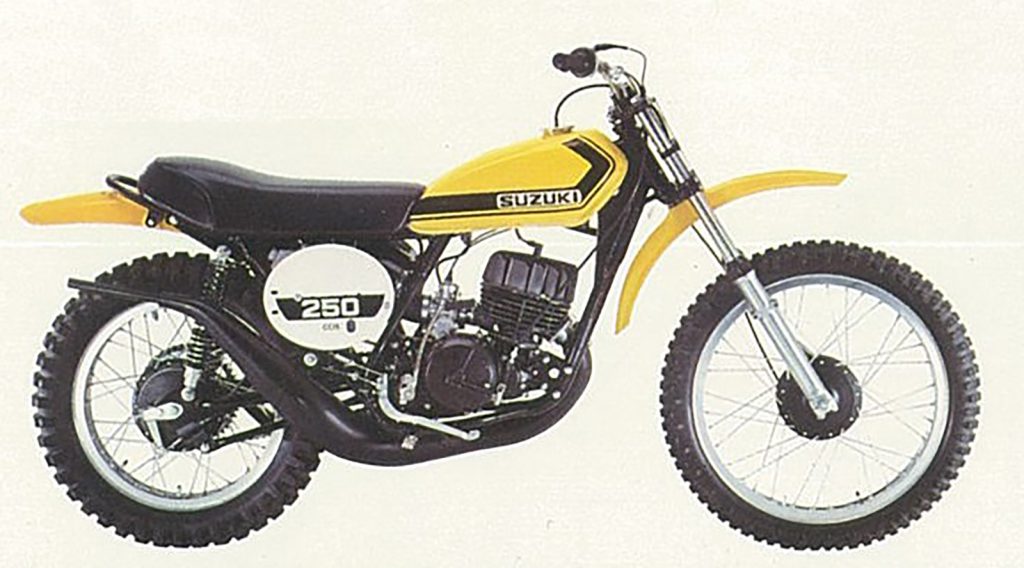
Class-leading stock suspension reset industry expectations and cemented Suzuki’s mid-1970s dominance.
The 1976 RM250A featured a 246-cc air-cooled two-stroke single producing around 36 PS at 8,000 rpm. Piston-and-reed (case-reed) induction offered smoother power delivery than older piston-port designs, providing precise control. The chrome-moly frame and aluminum tank mirrored Suzuki’s factory machines, bringing race-proven design to production.
Long-travel suspension dramatically reset standards. The RM250A delivered notably more travel and superior damping than competitors, including the three-year-old Honda Elsinore. This innovation solidified Suzuki’s position and spurred competitive response across the industry. The RM250A launched a line that would run for decades, strongly influencing subsequent 250cc two-stroke motocross design and establishing benchmarks rivals struggled to match.