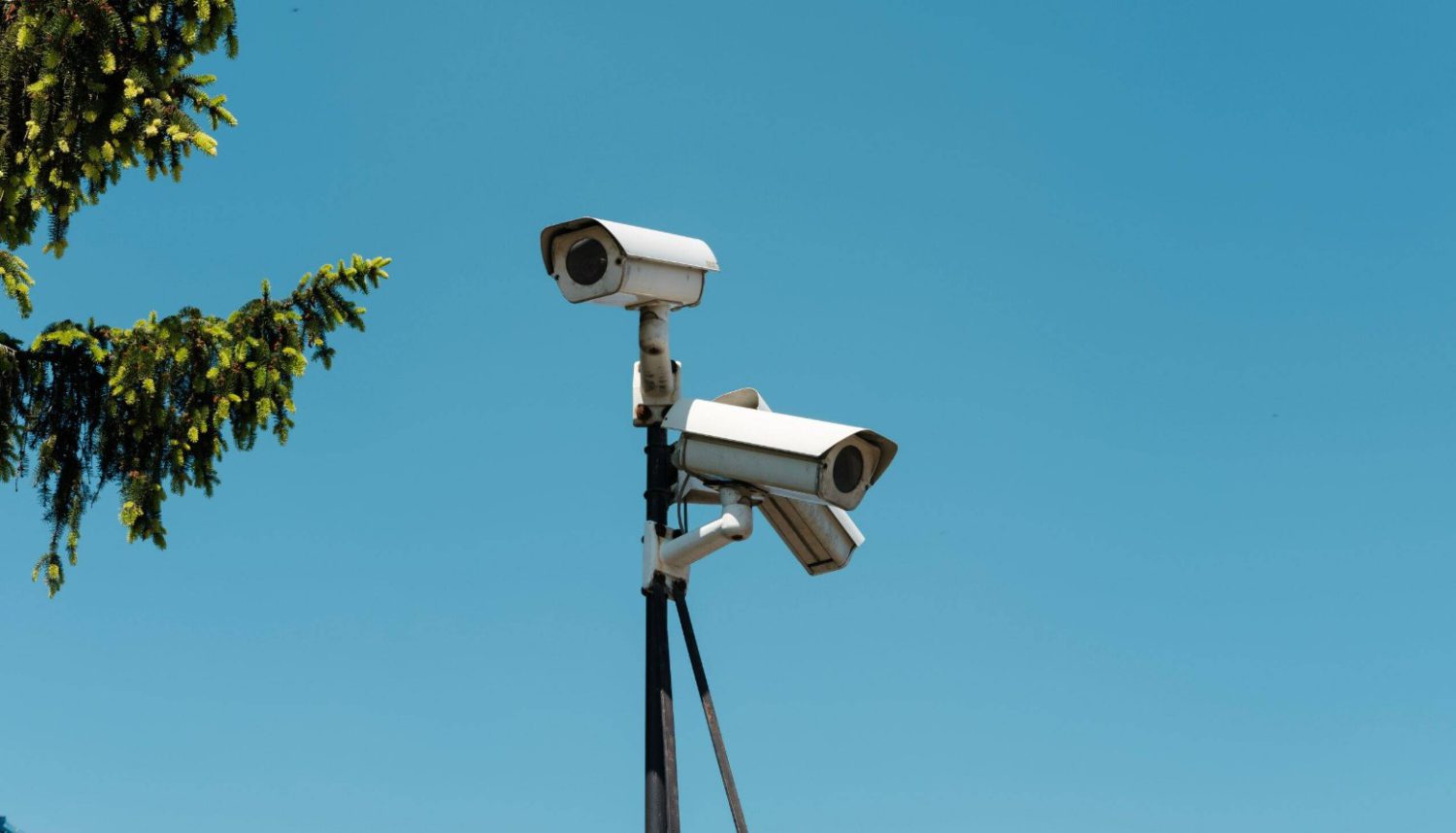
A pedestrian on a public sidewalk — no crime committed, no fence crossed — suddenly hears a disembodied voice ordering them to leave the area immediately. That’s exactly what happened in a clip surfacing on X via the account OrwellDay, showing an AI security camera issuing commands with the calm authority of a system that definitely did not check the property line first. This isn’t a glitch. It’s a product working as designed, just pointed in the wrong direction. And it raises a sharper question than “who misconfigured it” — it raises the question of who decided this was a good idea at all.
The Machine Has a Script – Someone Wrote It
AI deterrence systems don’t act alone — a property owner drew the fence, a vendor sold the voice.
Vendors like Alarm.com and Verkada explicitly market these home security systems as turning cameras from passive recording devices into active deterrents. The actual workflow is straightforward: a property owner draws a virtual zone on an app, picks a preset message or types custom text that AI converts to speech, and the camera handles the rest. Person enters zone. Camera speaks. Person stays. System escalates — louder warnings, sirens, police notification. Automated, seamless, and completely indifferent to whether the zone crosses a property line.
How AI deterrence gets deployed — and misaimed:
- Property owners draw virtual “tripwire” zones via mobile apps or web dashboards — precision is entirely up to them
- They choose the message: preset options or custom text converted to AI speech, including personalized warnings based on observed clothing and location
- If a person doesn’t leave, systems escalate to sirens, floodlights, and police notification
Worth noting: Alarm.com’s own support documentation warns against aiming deterrence at sidewalks where neighbors walk. That guidance is advisory only — not legally binding, not enforced by anyone.
Who Asked for This?
Vendors wanted the revenue, property owners wanted cheaper guards, and nobody voted on the machines giving orders.
Public sidewalks are settled legal territory. You can stand there, film anything in plain sight, and no private party has the authority to order you off. Legal guides on public-space rights generally confirm that a human security guard confronting you on a public sidewalk has no power to make you leave. A camera doing it automatically doesn’t inherit that authority just because it skips the middleman. The ACLU has flagged exactly this dynamic — loitering detection analytics enable automated responses to people in defined zones without transparent public oversight.
“The vendors designed it to scare away intruders. Someone just forgot to tell it where private property ends.”
Security vendors asked for this product to exist — it’s a premium feature tier in a crowded market. Commercial property owners asked for it because it’s cheaper than a human guard and faster than a phone call. What nobody asked for is the social consequence: machines issuing commands on public streets, backed by the implicit threat of police contact, with no clear accountability when the zone is drawn wrong.
If AI deterrence keeps expanding into public space without regulation, that disembodied voice becomes standard urban furniture. The real question isn’t whether this camera was misconfigured. It’s whether anyone gets to decide when that stops being an accident.