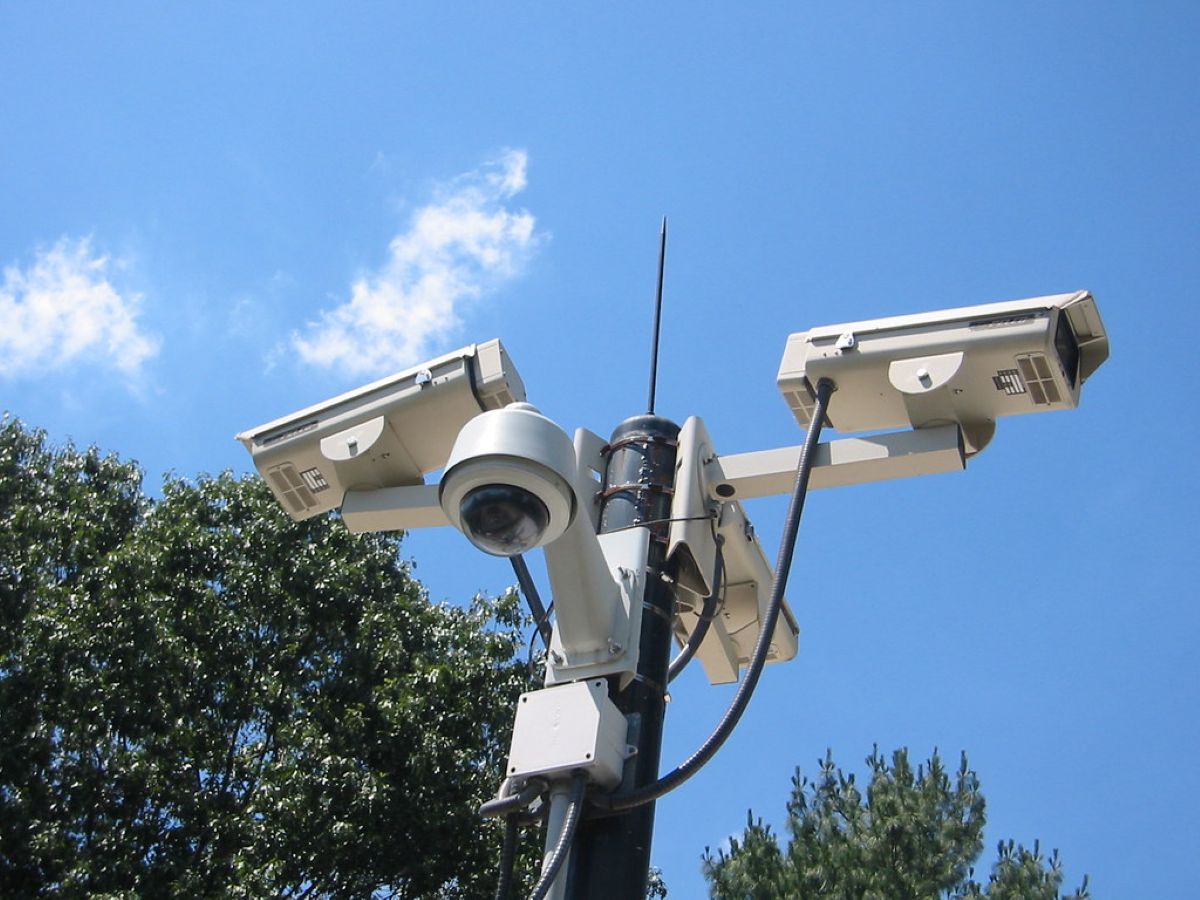
Security cameras powered by artificial intelligence are supposed to make your home safer. Instead, they’re creating a comedy of errors that would be hilarious if it weren’t undermining actual security.
Your AI-powered security camera just sent an urgent alert: “Bear detected in backyard!” You rush to check the footage, heart pounding, only to discover a raccoon rummaging through your garbage. This isn’t an isolated glitch—it’s becoming the norm. Ring customer Tauf Chowdhury experienced this exact scenario, while another user received tornado warnings triggered by window reflections and fire alerts caused by a neighbor’s brake lights.
These failures plague roughly 21 million American homes now using AI-powered security cameras. Companies like Wyze Labs and Amazon Ring have aggressively marketed “intelligent” threat detection to their combined 113 million users, promising systems that distinguish between genuine threats and false alarms. The reality proves far more chaotic: dogs misidentified as pigs, window reflections tagged as intruders, and one memorable “ninja cat” alert triggered by a startled feline.
Why Smart Cameras Are Actually Pretty Dumb
Pattern recognition doesn’t equal understanding, creating spectacular misidentifications that expose AI’s fundamental limitations.
David Doermann, a computer science professor at University at Buffalo, explains the core issue: “They’re astonishingly good at recognizing visual patterns, but they really don’t have any common sense. That’s why it can be very impressive at one moment but completely wrong the next.” AI models trained on millions of images can spot visual similarities between raccoons and bears—dark fur, similar posture, four legs—but lack the contextual reasoning to consider size, habitat, or probability.
Your camera sees “bear-like features” and confidently declares a wildlife emergency in suburban Ohio. The technical difference between pattern recognition and contextual understanding explains why your system confidently mistakes a teenager’s window reflection for a break-in attempt while completely missing the actual package thief on your porch.
When False Alarms Become the Real Threat
Alert fatigue from AI mistakes creates worse security outcomes than no AI at all, undermining the very safety these systems promise.
The irony cuts deep: systems designed to enhance security actively undermine it through alert exhaustion. Users receiving constant false positives about imaginary fires, tornadoes, and wildlife invasions begin ignoring all notifications. Tauf Chowdhury canceled his AI subscription after the raccoon incident. Others, like Vanessa Soderstrom in Florida, learned to dismiss alerts after repeated false break-in warnings triggered by reflections.
This creates a dangerous feedback loop where genuine threats get lost in the noise of algorithmic confusion. When your camera cries wolf about woodland creatures and window glare, you’re less likely to respond to actual security concerns.
The promise of AI-powered security feels seductive—who wouldn’t want cameras that distinguish between package thieves and pizza delivery? But until these systems develop something resembling common sense, you’re better served by simpler motion detection that doesn’t mistake your neighbor’s brake lights for a house fire.