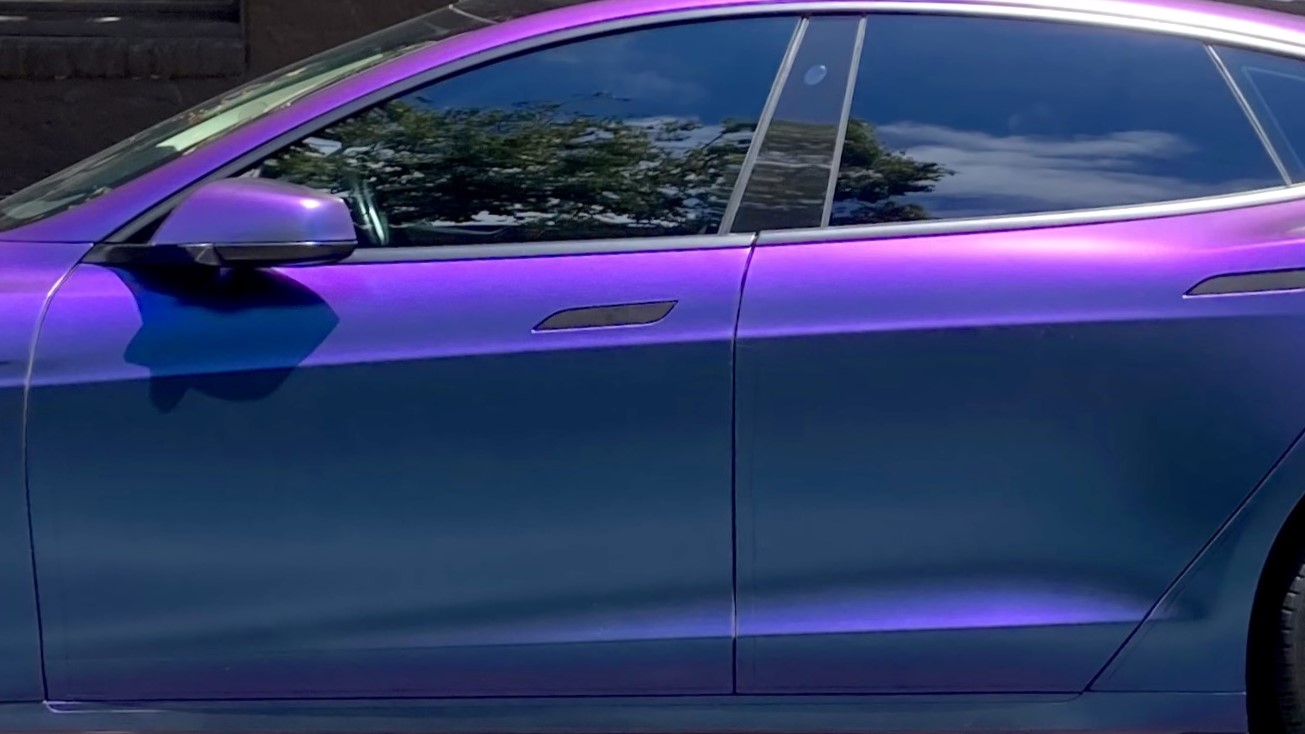
Those flush door handles that barely work in winter aren’t Tesla being cheap—they’re shaving precious drag off your highway range. Every Model 3 and Model Y sports these pop-out handles because reducing air turbulence translates directly into miles per charge. Physics doesn’t care if you struggle with frozen handles at 6 AM; it rewards smooth surfaces with better efficiency than any traditional pull-handle could deliver.
The Software-First Dashboard Revolution
Eliminating physical controls enables continuous improvement through over-the-air updates.
Tesla’s stark dashboard with zero buttons isn’t minimalism for Instagram—it’s future-proofing. Your Tesla’s central touchscreen can evolve overnight with software updates, adding features or refining climate controls without a service visit. Traditional cars with hard-wired knobs and switches become technological fossils the moment they leave the factory. You’re essentially driving a smartphone that gets better while parked in your garage.
Eye Position Engineering Beats Tradition
Placing critical information on the central screen keeps drivers looking ahead, not down.
Tesla’s decision to eliminate the instrument cluster behind the steering wheel forces your eyes higher and more forward-focused, keeping you alert in your natural peripheral vision zone. The central display placement maintains awareness compared to dropping your gaze to a dark steering column area. Critics cite distraction concerns from the 2017 AAA touchscreen study, but the physics of human attention suggests Tesla’s approach has merit.
Industry Copycats Reveal the Genius
Tesla’s touchscreen obsession triggered an arms race across luxury automakers.
Competitors prove Tesla’s vision with their responses:
- Cadillac is answering with 38-inch OLED displays
- Mercedes EQS stretches screens to 56 inches
If Tesla’s approach was truly flawed, competitors wouldn’t be racing to out-screen each other. Some brands like Audi are adding physical buttons back amid regulatory pressure, but the broader industry migration toward software-defined interiors validates Tesla’s original bet on touchscreen interfaces.
Tesla’s design thinking transforms “weird” into efficient, turning every strange choice into customer loyalty through measurable benefits. This physics-first approach doesn’t just sell cars—it rewrites automotive DNA for an electric future.