How about this nightmare scenario? Your male dormmate awkwardly approaches you with screenshots, explaining he keeps seeing you in dating app ads on Snapchat. Except you never made those ads, never used that app, and definitely never recorded yourself asking for “friends with benefits.”
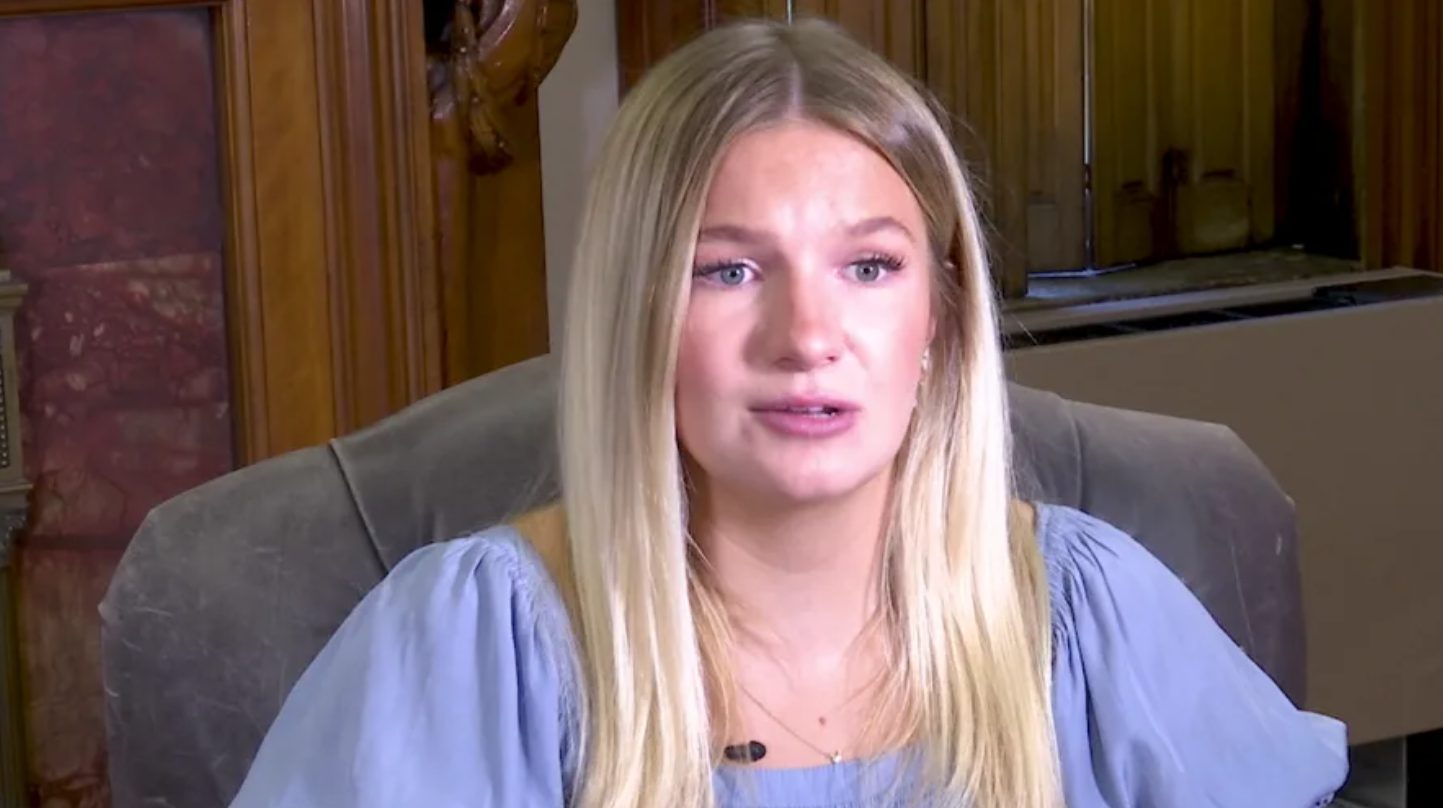
That’s exactly what happened to Kaelyn Lunglhofer, a 19-year-old University of Tennessee freshman and TikTok influencer. Her high school graduation video—showing her celebrating in an orange outfit—was stolen, edited with a fake voiceover implying she wanted casual hookups through the Meete dating app, then geofenced to target Snapchat users specifically around her dormitory.
The precision wasn’t coincidental. Her attorney Abe Pafford calls it “implausible as coincidence” given the app’s nearby-matching premise and surgical geofencing accuracy.
The Tech Behind Digital Identity Theft
Dating apps combine content theft with location targeting to create deceptive harassment campaigns.
The lawsuit, filed April 28 in Tennessee, reveals how easily your social media presence can become someone else’s profit center. Meete’s operators—including Quantum Communications Development Unlimited, Starpool Data Limited, and Guangzhou Yuedong Interconnection Technology—allegedly grabbed Lunglhofer’s graduation TikTok, overlaid it with misleading graphics and audio, then weaponized geofencing technology to serve these fake endorsements to men she actually knew.
This isn’t AI deepfakery. It’s old-school video editing combined with sophisticated ad targeting that most people don’t understand. The defendants operate from overseas with sparse websites featuring broken English and defunct email addresses. Yet they maintain presences on Apple’s App Store and Google Play while buying ads on Snapchat.
Everyone’s Vulnerable, Few Will Know
Attorney believes many victims exist unknowingly as proof requires unlikely alerts like Lunglhofer received.
Lunglhofer’s case only surfaced because her dormmate recognized her and spoke up—providing crucial screenshots and recordings. Pafford suspects countless others have had their likeness stolen without ever discovering it.
The legal violations stack up:
- Lanham Act trademark issues
- Tennessee’s ELVIS Act protecting artists’ images
- Defamation
- Right of publicity breaches
She’s seeking $750,000 in punitive damages plus advertising revenue.
Your graduation photos, vacation selfies, or celebration videos could be next. The combination of public social media content, sophisticated editing tools, and precise geofencing creates perfect conditions for this type of exploitation to spread. Unlike your favorite TikTok trend going viral, this one comes with serious legal and personal consequences attached, reminiscent of other tech scandals that have taken advantage of unsuspecting users.