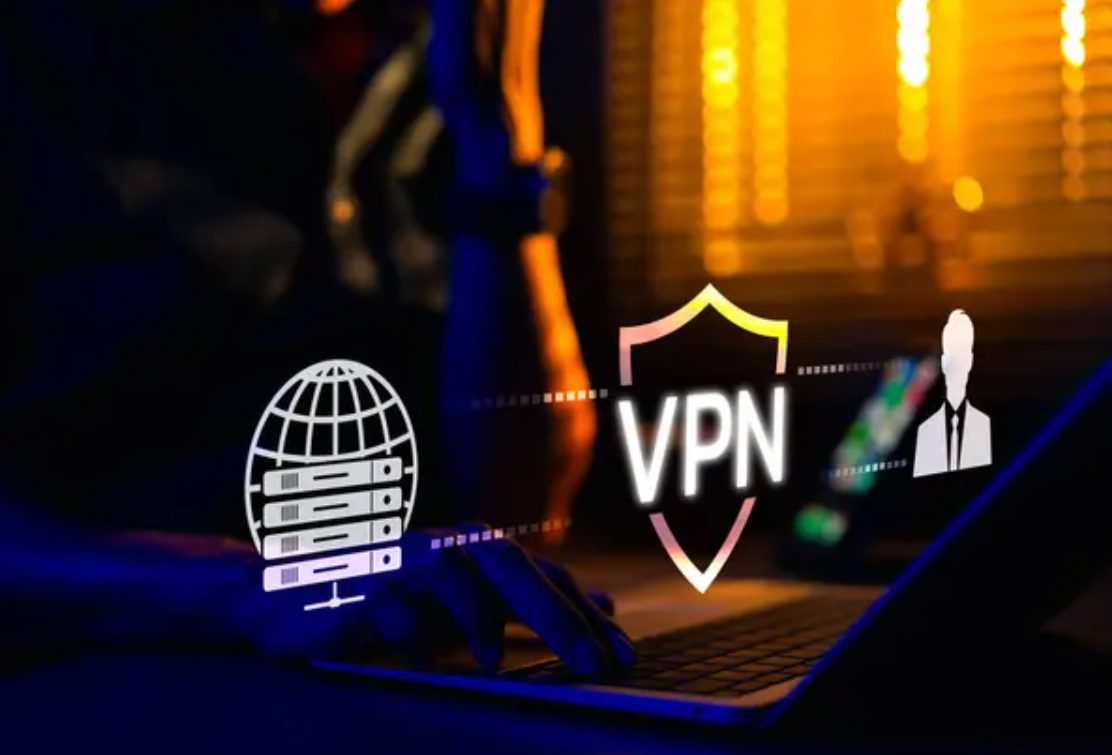
Your VPN has been your digital Swiss Army knife—bypassing geo-blocks, securing coffee shop browsing, keeping ISPs from tracking your Netflix binges. Utah just declared war on that freedom. Senate Bill 73, signed by Governor Spencer Cox on March 19, becomes the first U.S. law specifically targeting VPN users to enforce age verification on adult websites.
If you’re physically in Utah, sites must verify your age regardless of whether you’re routing through Tokyo or Toronto. This law takes effect May 6, 2026, and it’s already sending shockwaves through the privacy community.
The Technical Reality That Nobody Asked For
VPN providers call the law “technically impossible” to enforce properly.
NordVPN didn’t mince words: reliably blocking Utah VPN users is “technically impossible,” calling it a “liability trap.” The law demands that websites with over one-third adult content verify ages for anyone “accessing from Utah,” regardless of IP obfuscation.
This creates a scenario where sites face liability for traffic they can’t definitively trace to Utah soil. Dynamic IP addresses make this enforcement about as reliable as expecting consistent Wi-Fi at a coffee shop.
Global Consequences of Local Politics
Utah’s experiment could reshape how the entire internet handles privacy tools.
The Electronic Frontier Foundation warns this creates a “technical whack-a-mole” that could force global changes. Adult sites might respond by banning all known VPN IP addresses or implementing universal age verification—affecting millions of users worldwide who never stepped foot in Utah.
This isn’t just about adult content; it’s about whether state governments can effectively criminalize privacy tools that protect journalists, activists, and anyone wanting to browse without corporate surveillance.
The Precedent That Privacy Advocates Fear
Fifteen states have similar laws, but Utah crossed a new line targeting VPN circumvention.
Since Louisiana kicked off this trend in 2023, over 15 states enacted age verification requirements for adult sites. The Supreme Court upheld these laws in 2025, but Utah’s version breaks new ground by explicitly prohibiting websites from providing VPN usage instructions.
This represents a potential First Amendment violation over restricting speech about lawful privacy tools. Notably, the law carves out exemptions for ISPs, search engines, and news organizations, suggesting lawmakers understand VPNs serve legitimate purposes.
Will other states follow Utah’s playbook? Your VPN’s effectiveness just became a political football, with your privacy caught in the middle. The question isn’t whether children deserve protection online—it’s whether breaking fundamental internet privacy tools is the price we’re willing to pay for legislation that might not even work.