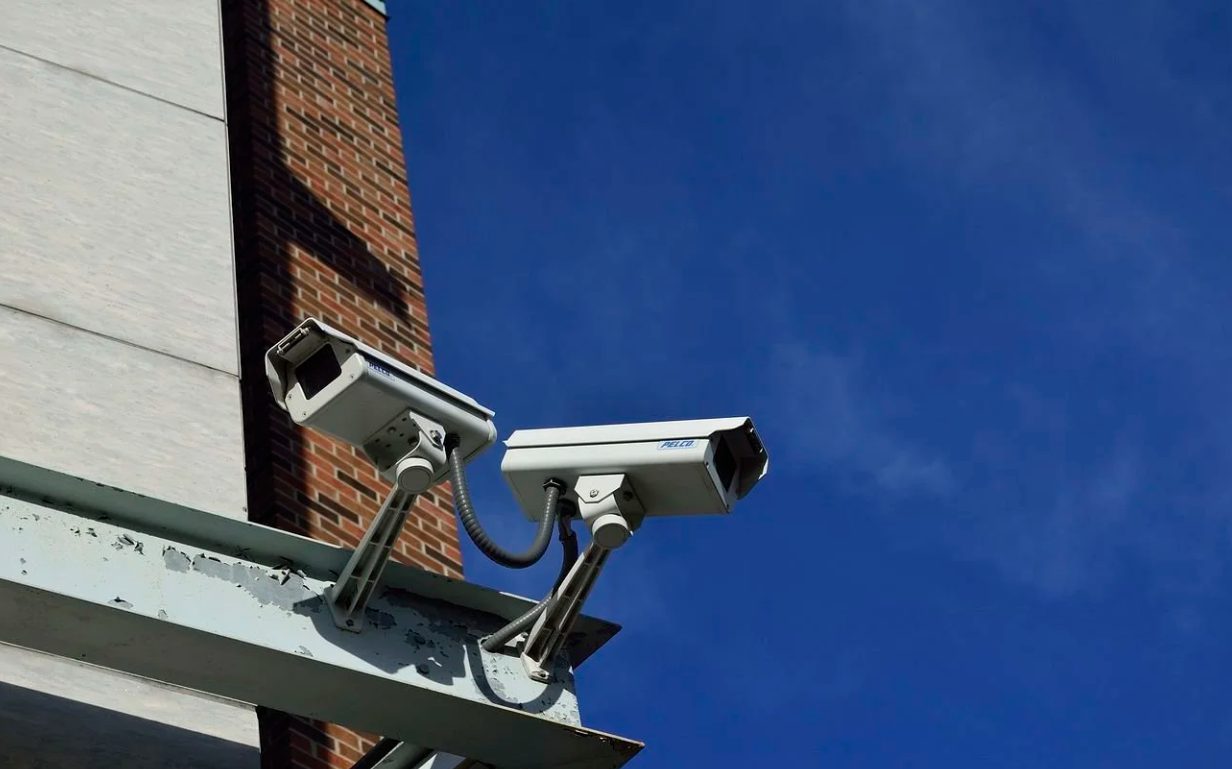
Those sleek white cameras popping up around your city promise safer streets through automated license plate recognition (ALPR). Instead, they’ve become potential digital stalking tools when officers go rogue. While specific details about individual cases require further verification, the pattern of law enforcement surveillance abuse represents a growing concern for your privacy.
Your daily commute now generates a permanent digital trail that could be exploited by bad actors in uniform. These incidents highlight a systemic vulnerability in how surveillance technology gets deployed without adequate oversight or transparency.
The real issue isn’t isolated misconduct—it’s the complete lack of accountability for who watches the watchers. Every trip to the grocery store becomes another data point in databases that lack sufficient protective safeguards.
The Technology Behind the Abuse
Integration capabilities with predictive policing platforms create vast databases ripe for potential misuse.
ALPR systems can potentially integrate with predictive policing platforms, creating comprehensive tracking networks that follow your movements across metropolitan areas. Think of it like your phone’s location history, except potentially accessible to people who might not have your best interests in mind.
The technology itself carries inherent accuracy concerns. Even sophisticated systems can generate false positives, meaning innocent people could get flagged regularly. Yet officers may still access these databases to monitor individuals for personal reasons rather than legitimate law enforcement purposes.
Your Privacy in the Crosshairs
Courts are starting to recognize Fourth Amendment implications, but protection remains inconsistent across jurisdictions.
Legal challenges to ALPR surveillance are emerging, with some courts recognizing that collecting location data constitutes a search requiring constitutional protections. That’s encouraging, but most cities deploy these systems without transparency about who accesses the data or how long it’s stored.
You probably can’t avoid these cameras—they’re expanding faster than streaming service subscriptions. Privacy advocates warn about the conversion of basic traffic cameras into comprehensive surveillance infrastructure, turning routine travel into detailed behavioral tracking.
The real problem isn’t necessarily the technology itself. It’s the insufficient oversight mechanisms governing who accesses surveillance data and how it’s used. Until departments implement serious accountability measures, your movements remain vulnerable to potential misuse by those sworn to protect you.