Thinking about dropping $3,500 on Apple’s Vision Pro, only to discover your neck aches after an hour, and there’s still no killer app worth the mortgage payment? That scenario played out for hundreds of thousands of early adopters as Apple’s spatial computing gamble hit harsh market reality. The Vision Pro’s struggles aren’t about Apple giving up—they’re about premium VR learning expensive lessons about consumer adoption.
Sales Numbers Paint a Sobering Picture
Production cuts and missed targets reveal VR market limitations.
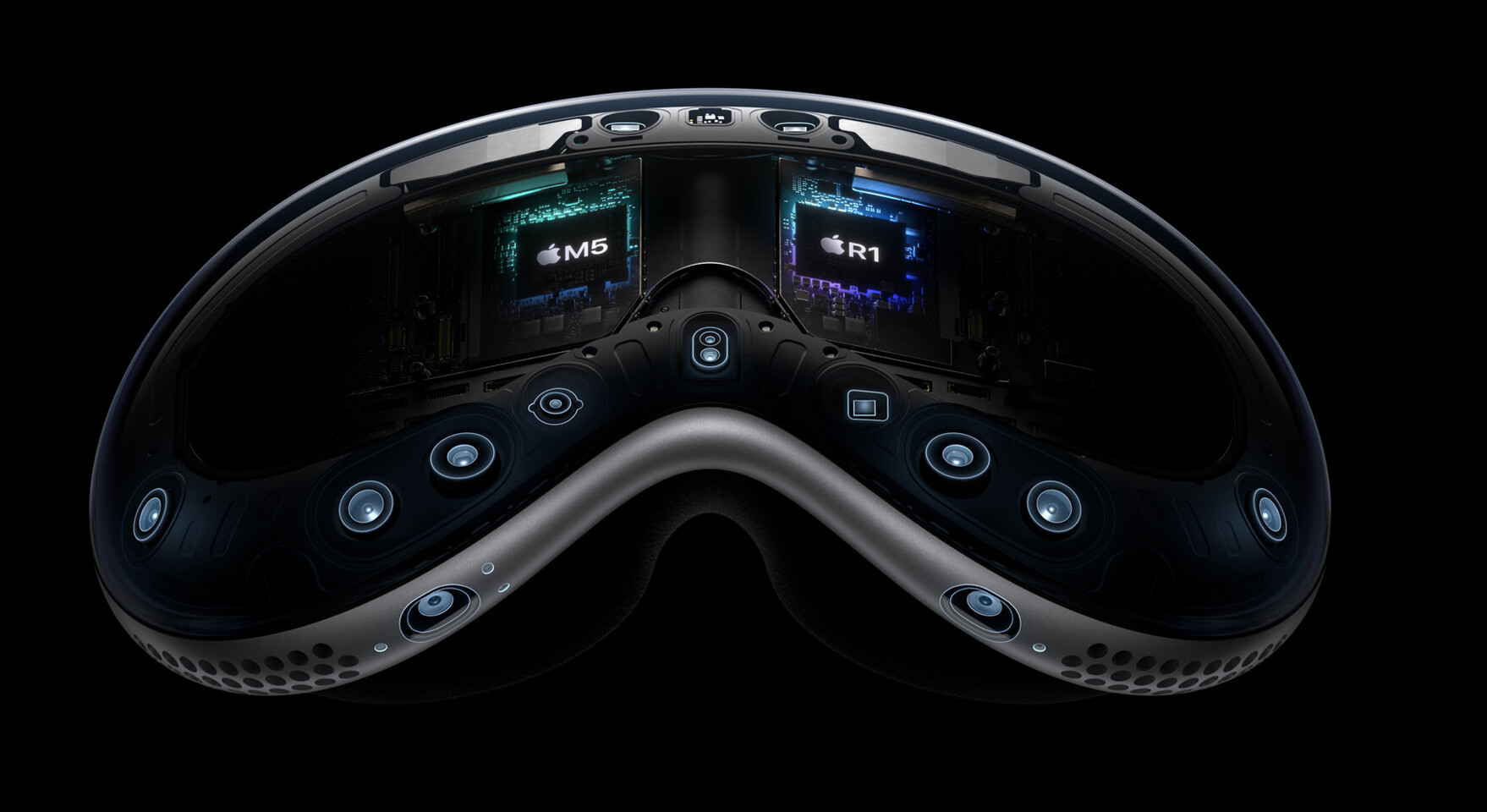
Apple sold roughly 400,000-450,000 Vision Pro units in 2024, falling short of internal targets by nearly 300,000 units. The M5-upgraded model launched in fall 2025 managed just 45,000 sales during the holiday quarter, according to IDC estimates. Those numbers prompted Apple to halt original production in late 2024 and slash digital advertising spend by 95%. Compare that to Samsung’s Galaxy XR at $1,800—suddenly Apple’s pricing strategy looks less like premium positioning and more like market miscalculation.
Physical Reality Bites Back Hard
Weight and comfort issues expose fundamental VR adoption barriers.
The Vision Pro’s weight becomes a literal headache after extended use, causing eye strain that no amount of spatial computing magic can fix. While Apple doesn’t officially report return rates, the physical limitations remain clear barriers to adoption. When your premium product requires users to endure physical discomfort for the privilege of using it, you’ve already lost the mass market.
Competition Moves While Apple Recalibrates
Samsung’s pricing advantage exposes Apple’s premium strategy limits.
Samsung’s Galaxy XR launched at $1,800 in 2025, undercutting Apple by nearly half while offering similar mixed-reality capabilities. Apple reportedly explored developing a cheaper model but cancelled those plans in October 2025. The enterprise potential in healthcare and engineering remains largely untapped, leaving creative professionals and wealthy early adopters as the primary customer base. That’s not exactly the scale needed to justify massive R&D investments.
Your VR shopping decision just got clearer: wait for the inevitable price drops or consider Samsung’s more accessible alternative. The Vision Pro’s struggles prove even Apple can’t force-feed premium pricing to reluctant markets—at least the rest of us benefit from learning that lesson at someone else’s expense.