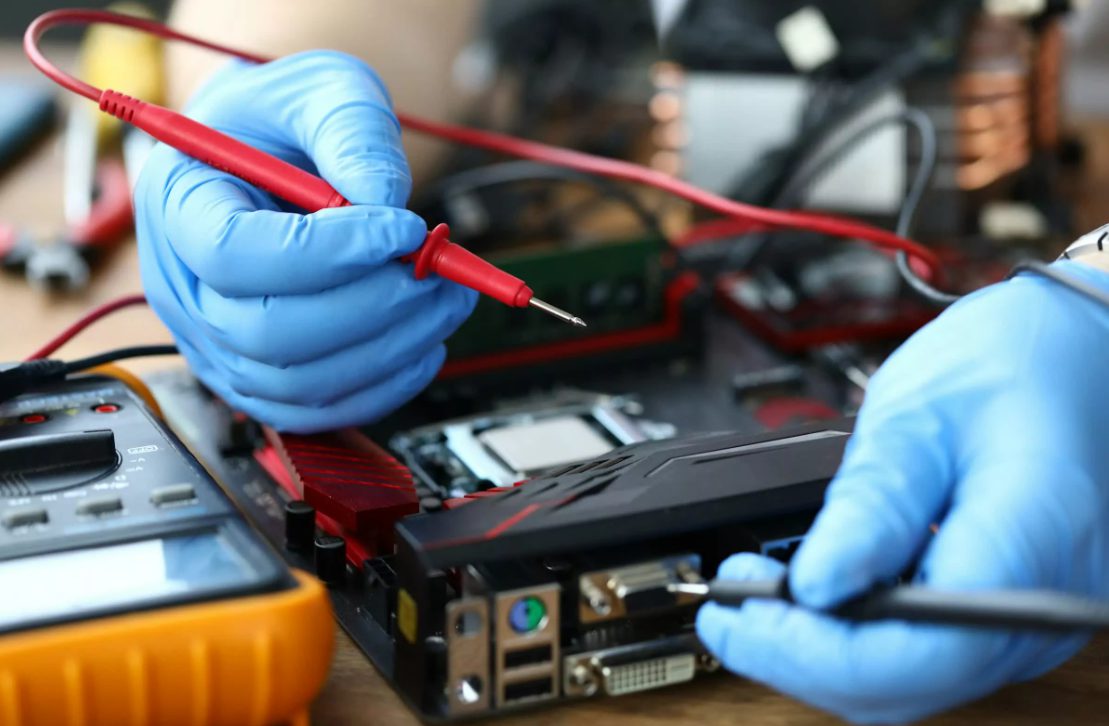
Three-quarters of the electronics heading to US stores—your next gadgets, laptop, smart doorbell, and fitness tracker—currently get tested in Chinese facilities. That pipeline just hit a regulatory wall. The FCC unanimously voted April 30 to ban all Chinese and Hong Kong testing labs from certifying devices for US sale, citing national security risks. This isn’t bureaucratic theater; it’s a supply chain earthquake that will reshape your gadget purchasing timeline and wallet.
Beyond Bad Actors
Western companies’ Chinese subsidiaries caught in the crossfire.
This sweeps far beyond the “Bad Labs” order that targeted state-owned Chinese facilities since September. The new rule captures all remaining labs regardless of ownership, including 27 subsidiaries of Western certification giants like Intertek, SGS, and TUV Rheinland. Think of it like shutting down every Starbucks in China because some are locally franchised.
The FCC states this ensures “integrity, security, and reciprocity in electronic device testing,” but the practical effect is severing established business relationships that took decades to build.
Timeline Crunch
Sixty-day comment period precedes industry scramble.
You’re looking at a 60-90 day public comment period before the final rule drops later this year. Then comes the real chaos: manufacturers scrambling to recertify products through US or allied testing facilities that are already backlogged. Your anticipated fall smartphone releases might slip to winter.
That smart home upgrade you planned? Expect delays and price bumps as companies navigate certification bottlenecks that didn’t exist six months ago. The ripple effects will hit your wallet through higher device costs and longer waits for the latest gadgets.
Broader Tech Divorce
Telecom restrictions signal accelerating US-China split.
The certification ban runs parallel to restrictions on China Mobile, China Telecom, and China Unicom’s US data operations. China predictably slammed the moves as protectionist, while FCC Chair Brendan Carr emphasized limiting “foreign adversary” threats.
This resembles the semiconductor shortage’s ripple effects, but with a geopolitical twist. Your device ecosystem is becoming collateral damage in an escalating tech cold war that shows no signs of cooling.