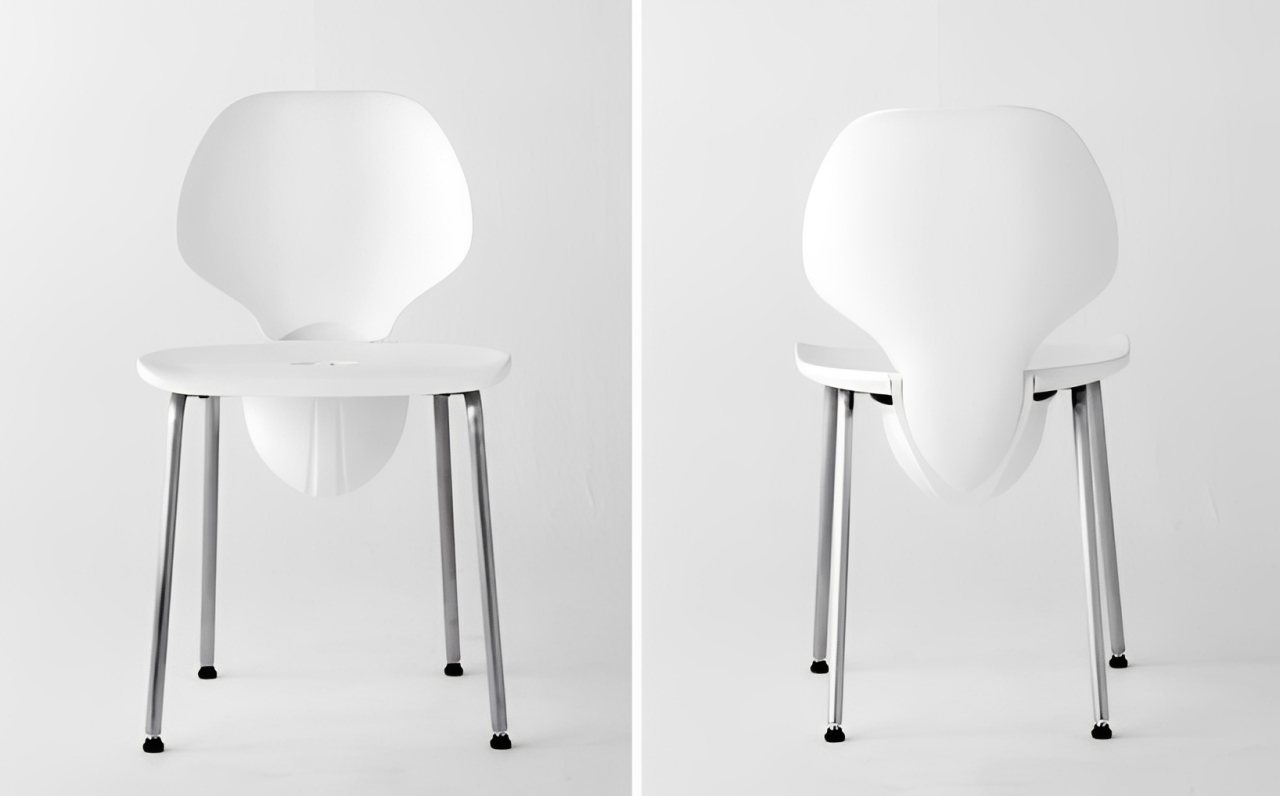
School earthquake drills leave kids vulnerable to falling debris, but Japan’s innovative approach provides actual protection. These dual-function seats transform from ordinary classroom furniture into personal protective shelters within seconds. Students activate the mechanism through a simple dial twist, and the backrest deploys into protective coverage for the head, neck, and torso areas.
The engineering addresses a harsh reality: traditional “duck and cover” protocols offer minimal defense against structural collapse. Japan’s position on the Pacific Ring of Fire—where thousands of tremors occur annually—demanded better solutions after the 2011 earthquake claimed over 15,000 lives.
Steel Frames Meet Smartphone-Simple Operation
Lightweight construction and intuitive mechanisms let six-year-olds deploy protection without adult assistance.
The chairs feature lightweight steel frames with shock-absorbing materials designed for real-world disaster conditions. Testing through drop tests, shake simulations, and crush resistance trials validates their effectiveness under extreme conditions. Teachers report that students feel empowered rather than afraid when they control their own safety tools during practice drills.
The technology eliminates separate storage requirements while maintaining normal classroom aesthetics. Emergency preparedness becomes integrated into daily routines rather than disruptive evacuation protocols.
Psychological Safety Meets Physical Protection
Students practice deployment during regular earthquake drills, building muscle memory and confidence.
These chairs integrate seamlessly into daily classroom life, appearing as normal furniture rather than emergency equipment. Students develop familiarity with their safety tools through routine practice, eliminating panic-induced confusion when seconds count. The design prioritizes both physical protection and psychological comfort during high-stress situations.
This psychological component matters as much as physical protection. Regular practice builds automatic responses that function even under extreme stress conditions.
Global Earthquake Zones Explore Applications
Pure mechanical operation ensures reliability when power fails during disasters.
The technology’s mechanical design—no batteries, no electronics—maintains functionality during power outages and infrastructure failures. The core principle extends beyond earthquakes to tornado protection, blast shielding, and emergency shelter scenarios where immediate localized protection proves more effective than evacuation protocols.
This represents furniture that could redefine how we embed safety into everyday environments, addressing critical gaps where traditional emergency response proves insufficient.