Here is a bad scenario. Your home floods, insurance drags its feet, and you desperately need federal disaster relief. You submit your application online, only to discover weeks later that AI-powered phantom applicants have already claimed your spot.
Welcome to synthetic identity theft, the fastest-growing financial crime projected to drain $23 billion annually by 2030. Unlike traditional identity theft—where criminals steal your existing information—synthetic fraud creates entirely new personas by blending real data fragments with AI-fabricated elements.
Think stolen Social Security numbers paired with deepfake photos, manufactured credit histories, and voice prints that fool biometric systems. The Boston Fed confirms that “Gen AI has made synthetic identity fraud more potent,” transforming what once took months into automated assembly lines producing fake identities in days.
The Perfect Storm of Crisis and Technology
Overwhelmed verification systems become easy targets for AI-powered fraud.
Disaster response agencies face impossible choices during emergencies. Speed saves lives, but streamlined verification opens doors for sophisticated bots mimicking legitimate applicants.
Recent data shows 152% year-over-year growth in synthetic fraud across some sectors, with 8.3% of new accounts now flagged as suspicious. These “identity factories”—as fraud researchers term them—exploit public data breaches and overwhelmed systems to siphon funds meant for actual victims.
The technique works because synthetic identities pass traditional fraud filters. They don’t trigger alerts for existing account takeovers since these personas never existed before. Meanwhile, legitimate disaster survivors find themselves locked out, their real information suddenly appearing “suspicious” compared to the perfectly curated fake profiles flooding the system.
Fighting Fire with Fire
Detection companies deploy AI countermeasures, but solutions create new problems.
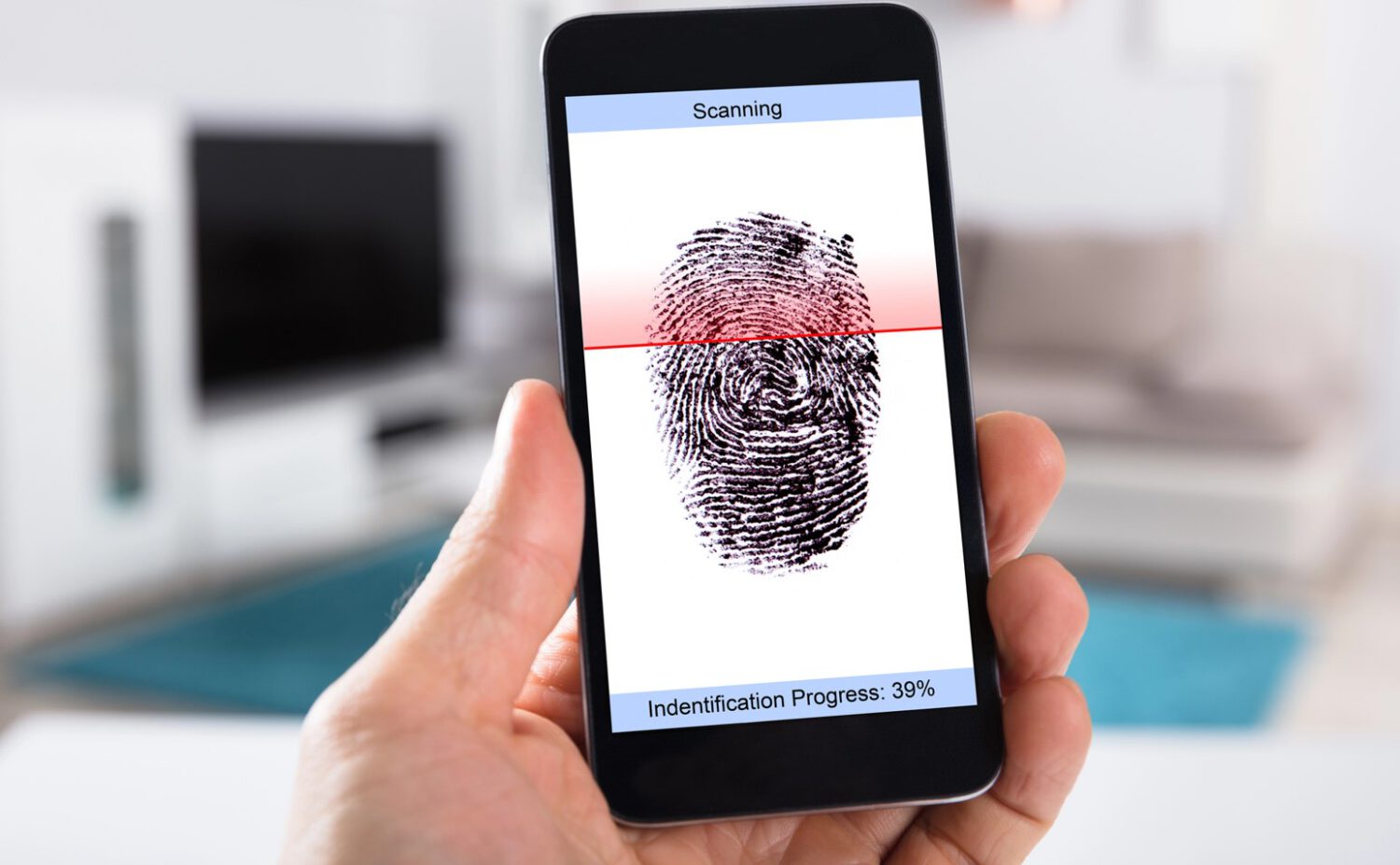
Companies like Equifax and ID.me are launching AI-powered detection tools to spot synthetic identities, but the arms race intensifies daily. Fraudsters now inject deepfakes into liveness checks and use virtual cameras to bypass biometric verification. Voice cloning alone saw a 700% increase in Q1 2025.
The irony cuts both ways. Enhanced verification standards, designed to block synthetic identities, can affect legitimate users during the detection process. Real people face additional scrutiny while AI-generated personas continue evolving to slip through security gaps.
Your digital footprint—every app login, every verification request—now exists in this uncertain landscape where proving your own identity becomes increasingly complex. The question isn’t whether this technology will improve, but whether you can navigate the gap between human authenticity and artificial perfection.