Your Global Entry status can vanish in three days—no arrest required. Nicole Cleland discovered this harsh reality when CBP agents used facial recognition to identify her observing enforcement vehicles in Richfield, Minnesota, then revoked her trusted traveler privileges faster than a TikTok scandal spreads.
The Target Corporation director had enjoyed airport fast lanes through Global Entry and TSA PreCheck since 2014. That ended January 13, 2026, when CBP sent a terse revocation notice citing “possible violation of customs/immigration laws” without specifics.
Three days earlier, agents had approached her vehicle during a legal observation session. They addressed her by name using facial recognition technology and warned against impeding operations under federal statute 18 USC § 111—the law covering forcible resistance to federal officers.
Mobile Fortify: The Surveillance Tool You Didn’t Know About
ICE and CBP agents use contactless facial scanning to instantly connect observers with government databases.
Government agencies now deploy sophisticated facial recognition during enforcement operations. This handheld technology enables real-time identification during protests and community monitoring activities. Multiple Minneapolis residents reported similar encounters in January 2026, with some incidents captured on video.
The technology transforms any encounter into a background check opportunity. Agents scan faces, access records, and potentially flag individuals for future consequences—all without requiring probable cause or arrests. Your face becomes your permanent ID card, whether you consent or not.
The intimidation factor proves effective. After her encounter, Cleland stopped active legal observation activities, citing safety concerns for herself and her family.
Global Entry’s Hidden Vulnerability
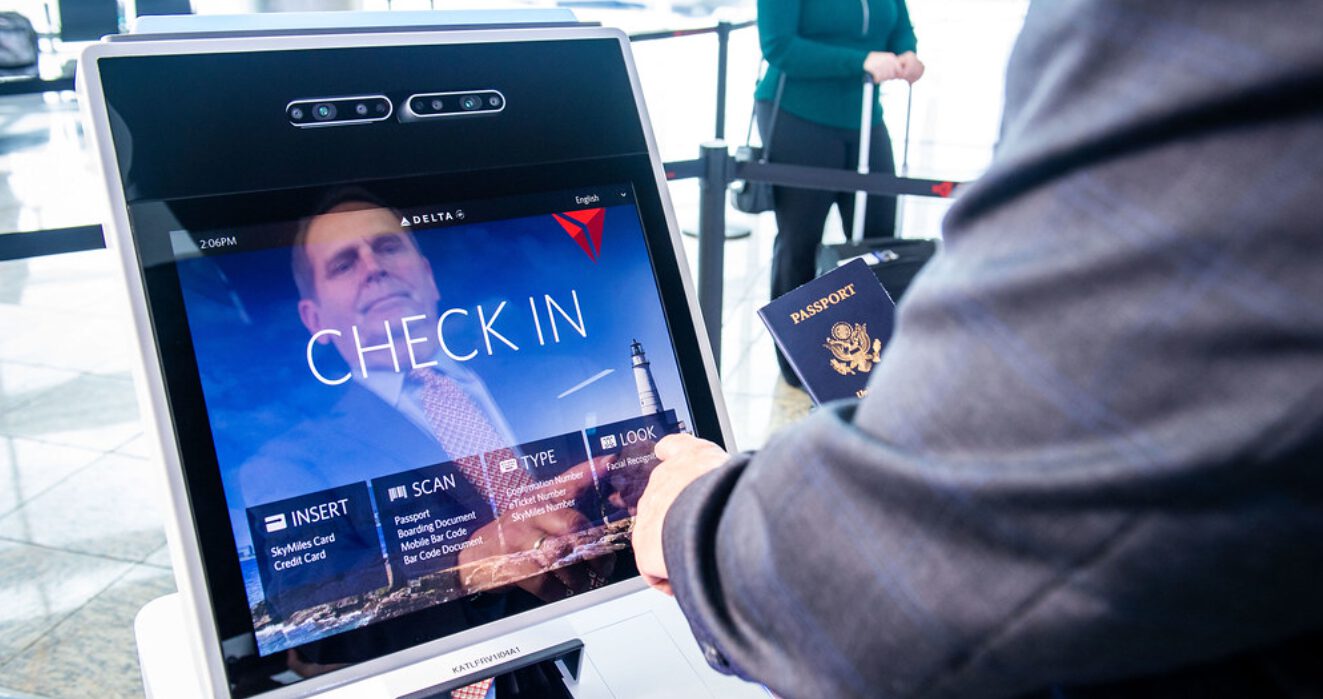
Continuous vetting means your travel privileges depend on staying off government radar, even for legal activities.
Global Entry operates through continuous vetting—ongoing surveillance that can trigger revocation without criminal charges. CBP retains broad discretionary power to deem members ineligible if they’re “under investigation” or pose undefined security concerns.
The appeals process presents significant challenges, though some members do successfully restore their privileges. Cleland has filed a FOIA request and joined a federal lawsuit in U.S. District Court for Minnesota against DHS, seeking answers about her case.
Her experience establishes concerning precedent: legal observation now qualifies as suspicious activity worthy of travel privilege punishment. This expands beyond individual consequences, potentially discouraging community oversight of immigration enforcement operations.
Your airport convenience depends on governmental approval that can evaporate through surveillance technology, transforming trusted traveler programs into tools of indirect retaliation against constitutionally protected activities.