The theft of Google’s most guarded AI secrets just cost one engineer his freedom—and exposed how vulnerable the AI infrastructure powering modern devices really is.
A federal jury convicted former Google software engineer Linwei Ding on Thursday, marking the first-ever conviction for AI-related economic espionage. The 38-year-old, who went by Leon Ding, was found guilty on all 14 counts after an 11-day trial that revealed the shocking scope of intellectual property theft from the company’s AI supercomputing division.
The Digital Heist That Shook Google
Over 11 months, Ding systematically stole the blueprints for Google’s AI infrastructure.
Between May 2022 and April 2023, Ding downloaded more than 2,000 pages of confidential trade secrets detailing Google’s custom silicon Tensor Processing Units, GPU systems, and specialized networking hardware. His method? Converting files to PDFs through Apple Notes, then uploading them to his personal Google Cloud account—a technique that initially flew under the radar of Google’s security systems.
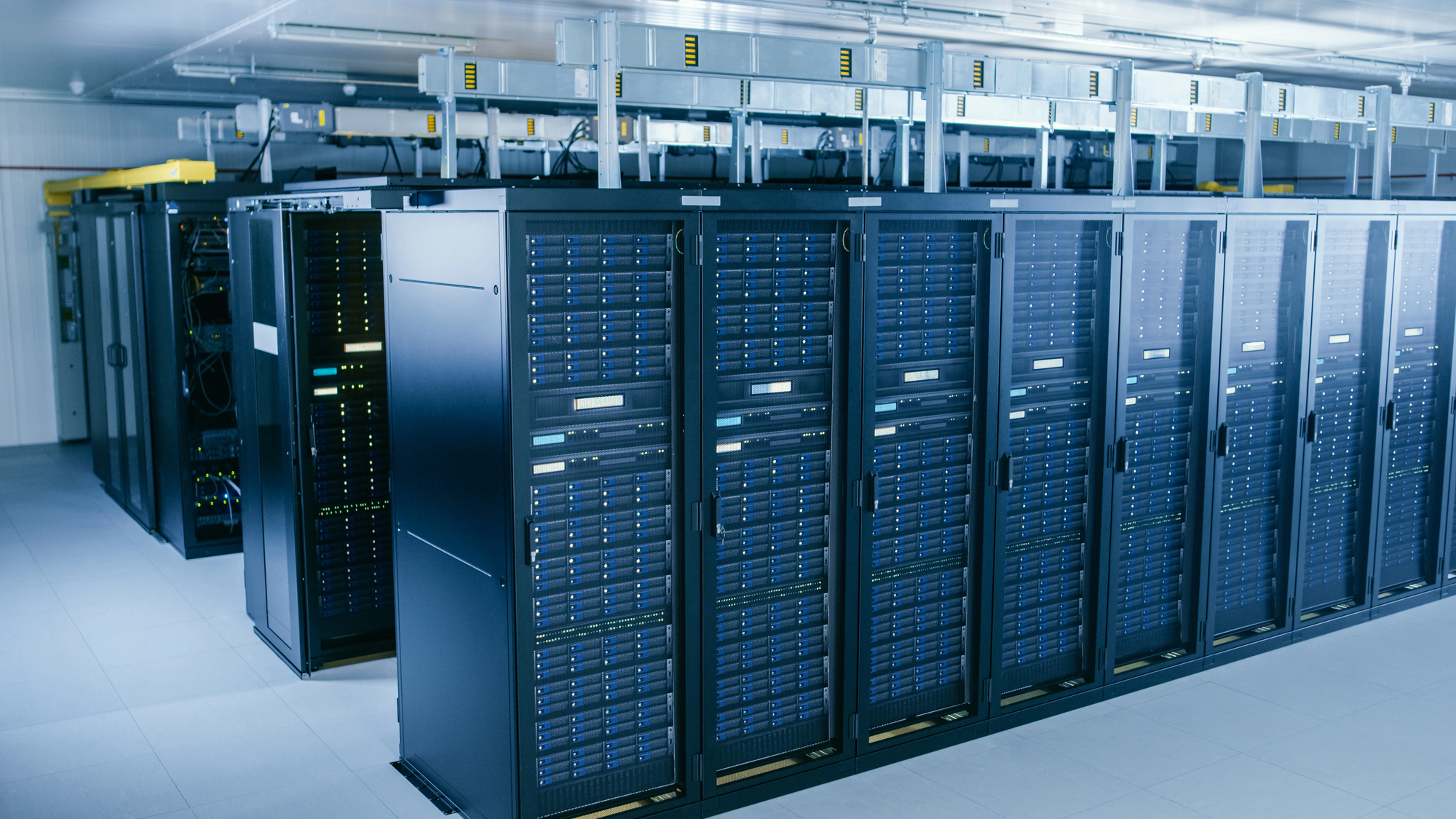
The stolen documents contained the architectural secrets behind Google’s “ten-thousand-card” AI platforms—the same infrastructure that powers everything from your Google Photos face recognition to the search results you see daily. Think of it as stealing the recipe for Coca-Cola, except the recipe controls the future of artificial intelligence.
The China Connection Unravels
Ding secretly worked for two Chinese firms while collecting a Google paycheck.
While employed at Google, Ding simultaneously served as CTO for Beijing-based Rongshu and founded Shanghai Zhisuan Technology Co. Ltd., where he pitched replicating Google’s AI systems to Chinese investors. He received $14,800 monthly payments and applied to a Chinese government “talent plan” designed to accelerate China’s AI capabilities.
The prosecution’s case strengthened when Google detected uploads to China-based servers and discovered Ding had misused his security badge for unauthorized access. His defense team argued that Google shared these documents with thousands of employees, suggesting inadequate protection. But the one-way ticket to Beijing he purchased before his arrest told a different story.
What This Means for Your Digital Life
This conviction signals a new era of AI security enforcement with real consumer implications.
FBI Special Agent Sanjay Virmani called the theft a direct threat to America’s “technological edge”—and he’s right. The TPU and GPU technologies Ding stole don’t just power Google’s data centers; they influence the AI capabilities in your phone, smart home devices, and cloud services.
Ding faces up to 175 years in prison when sentenced February 3rd. More importantly, this conviction establishes a legal precedent that could reshape how tech companies protect the AI infrastructure your digital life depends on. Silicon Valley’s crown jewels just got a lot more heavily guarded.