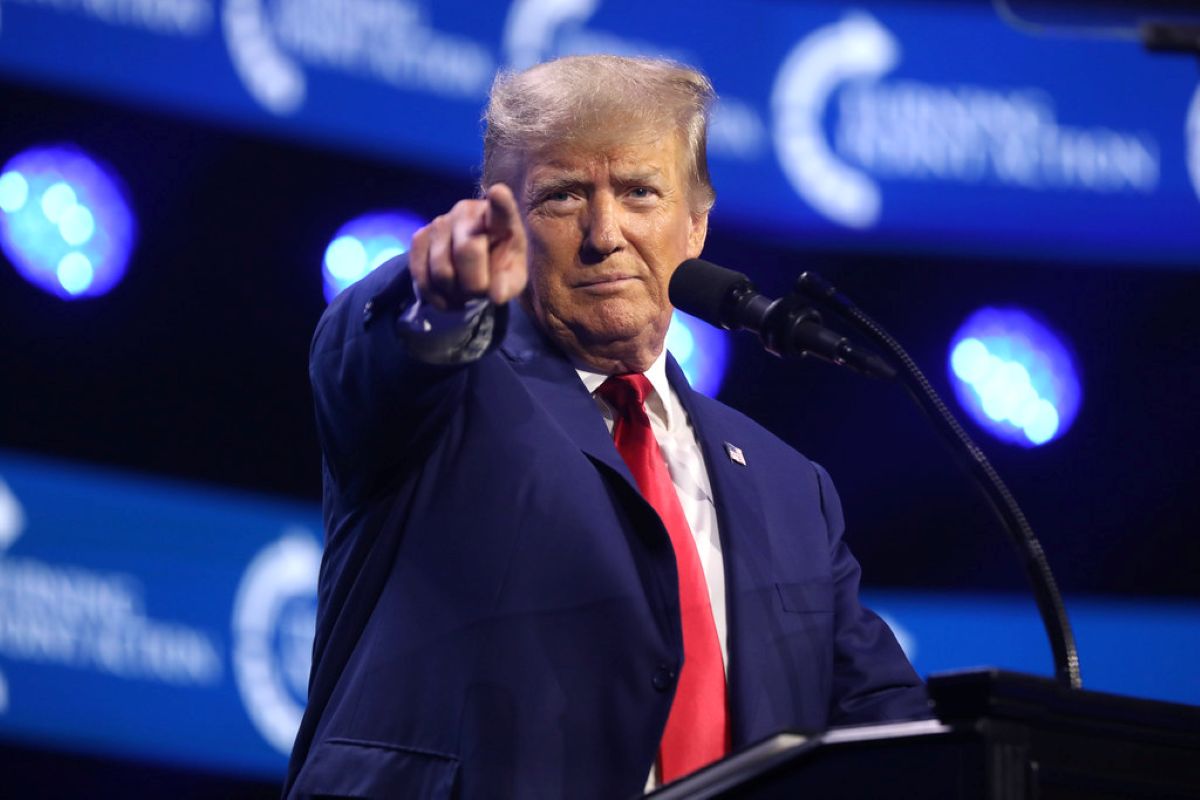
Unsecured AI-powered systems enabling cyberattacks are far more dangerous than you realize. Recent reports suggest the White House may consider government oversight for new AI models through a potential executive order that would establish an AI working group with tech executives and officials. This represents a notable pivot from President Trump’s earlier hands-off approach to AI regulation.
From Deregulation to Deliberation
Trump’s administration reverses course on AI oversight after initially scrapping Biden-era safety requirements.
Your current AI-powered gadgets exist partly because Trump rescinded Biden’s 2023 executive order requiring safety test sharing for risky AI systems. That January 2025 move emphasized deregulation and innovation while removing policies viewed as obstacles to AI development. Now the administration appears ready to pump the brakes on certain advanced models. The shift suggests growing awareness that some AI capabilities might outpace reasonable safety measures.
What This Means for Your Devices
Potential reviews could delay AI features in consumer products while enhancing security standards.
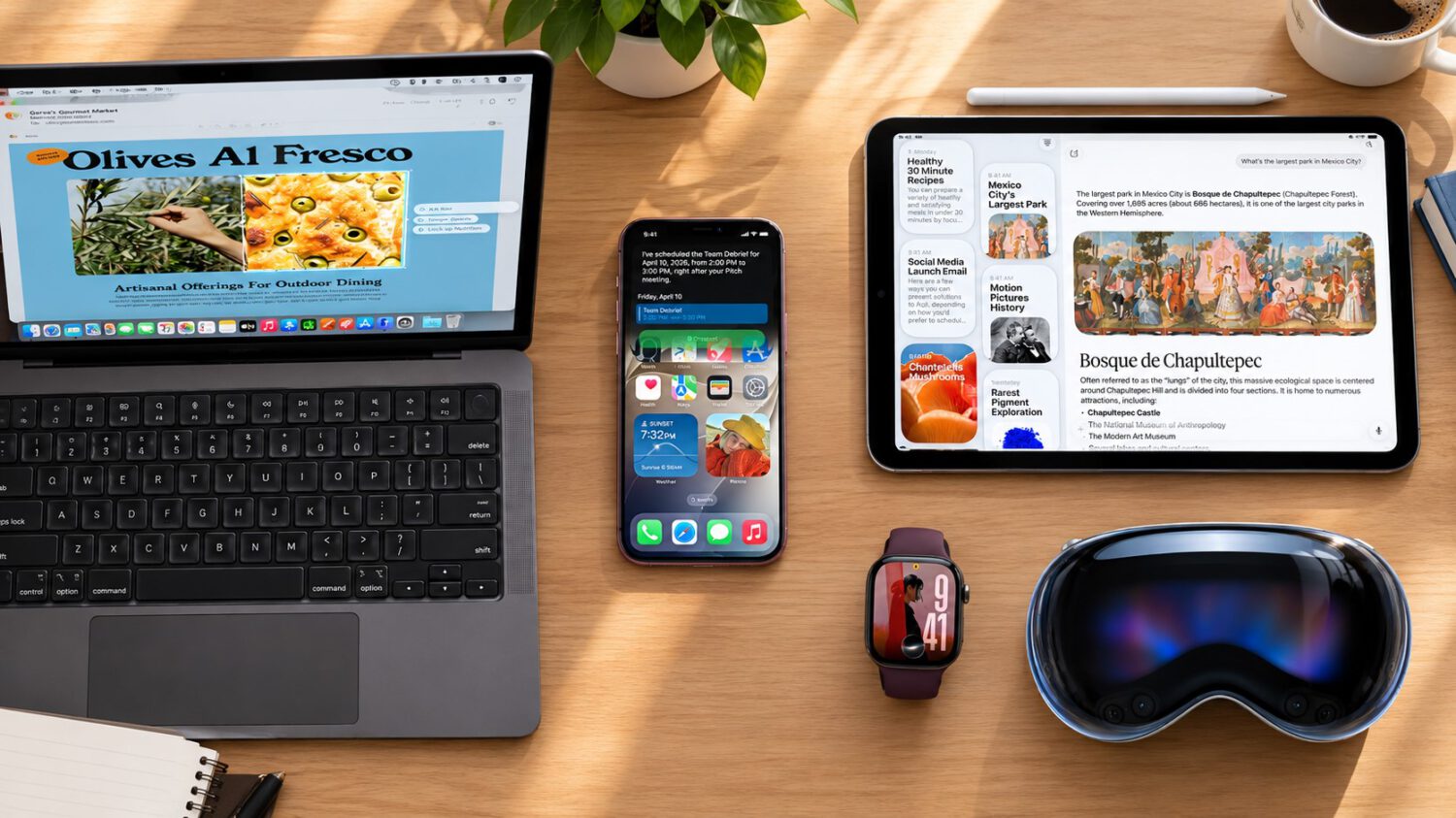
Think about how quickly ChatGPT-style features appeared in your phone’s camera app or smart speaker. Government reviews might slow similar rollouts, creating a trade-off between cutting-edge features and vetted security. Cybersecurity researchers have raised concerns about advanced AI models possessing significant capabilities for identifying and potentially exploiting security vulnerabilities. Your Ring doorbell or smart thermostat could benefit from more rigorous AI security standards, even if it means waiting longer for flashy new features.
The Cybersecurity Reality Check
Advanced AI models pose genuine risks that could affect your digital security and privacy.
Security experts aren’t crying wolf about sophisticated models enabling complex attacks through advanced AI models. This isn’t some distant threat—it’s about protecting the interconnected ecosystem where your devices live. Like how TikTok’s algorithm controversy made people reconsider social media privacy, these AI model concerns could reshape how companies approach security in consumer products. The working group concept suggests collaboration rather than heavy-handed regulation, but details remain unclear about implementation timelines.
Navigating this shifting landscape requires staying informed about which AI features get government scrutiny and why. Whether oversight enhances security or stifles innovation, you’ll need to weigh the trade-offs when choosing your next smart device. The balance between rapid AI advancement and responsible deployment will likely define your tech experience in the coming years.