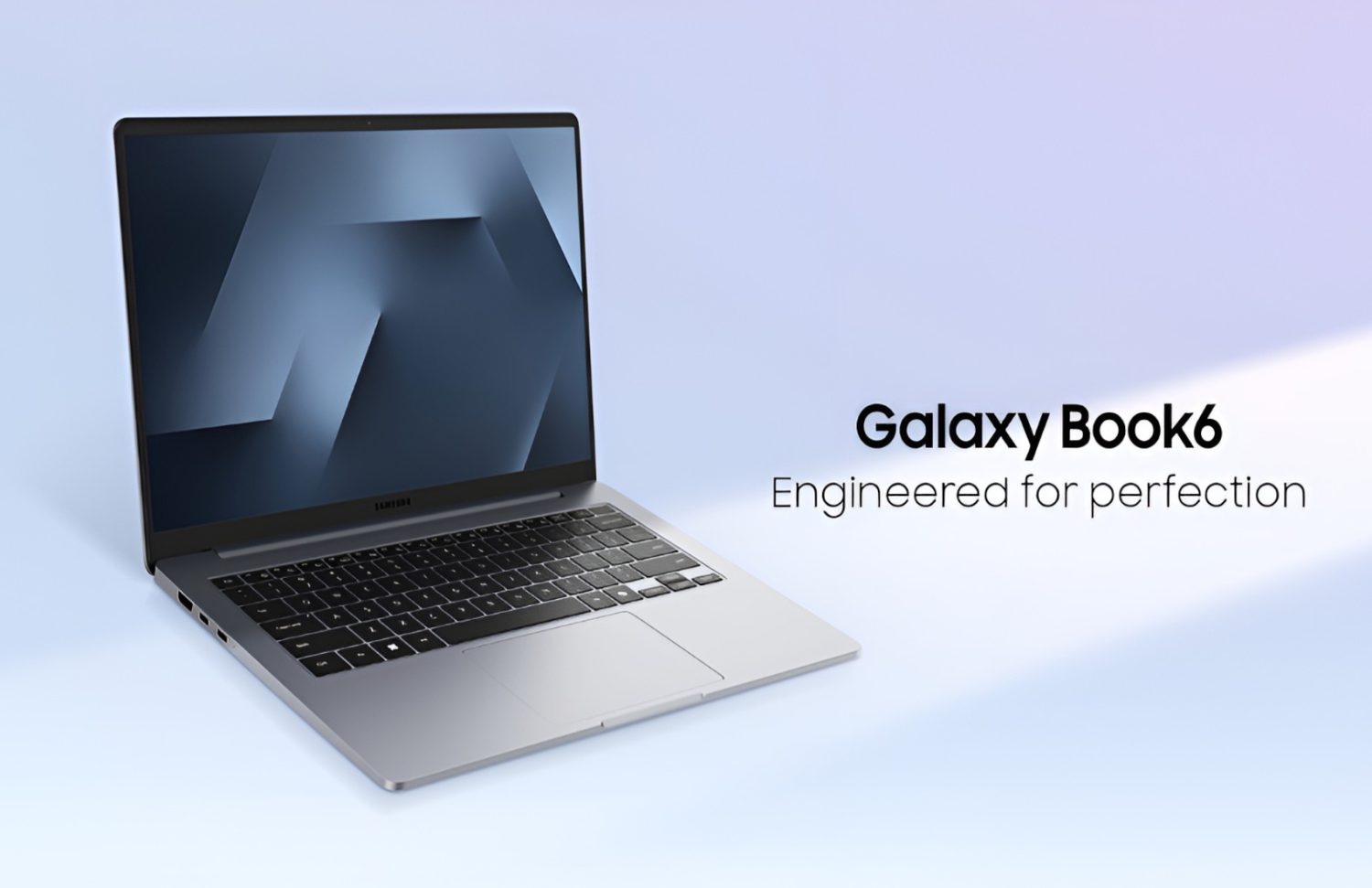
Samsung wants you to think of the Galaxy Book6 as the sensible, Windows-flavored alternative to Apple’s entry-level laptop. The pitch sounds reasonable until you check the price tags. Apple’s MacBook Neo starts at $699. Samsung’s answer to it starts at $799. That’s not a budget play — that’s paying a $100 premium to avoid macOS. Whether that’s worth it depends entirely on what you actually need from a laptop, and right now that’s the decision millions of sub-$1,000 buyers will face this fall. Samsung has already been making headlines this year with pre-order records on other devices, signaling strong consumer momentum heading into fall.
What Samsung Is Betting On
Samsung’s real pitch isn’t affordability — it’s the practical features Apple quietly left on the cutting-room floor.
The Galaxy Book6’s strongest argument isn’t price. It’s everything Apple stripped from the MacBook Neo to keep it thin and tidy. On paper, Samsung leads with real, tangible advantages:
- 14-inch screen at 1,920×1,200 with anti-reflective coating, versus Apple’s smaller 13-inch panel
- 61.2Wh battery with a claimed 25-hour life; 45W fast charging recovers 33% in roughly 30 minutes
- Port suite includes 2× USB-C, 1× USB-A, HDMI, and a 3.5mm jack — no dongle drawer required
- Aluminum chassis that Yanko Design notes looks more expensive than $799
Under the hood, Samsung uses Intel’s current mid-tier chip family — Core 3 and Core 5 processors. Solid for browsing, documents, Zoom calls, and streaming. Not the machine you’d use to edit a wedding video.
Samsung’s 25-hour battery claim comes with an asterisk: it’s measured under lab conditions following the IEC 61960 standard — essentially a controlled video-playback test, not your actual workday.
Where Apple Hits Back
Apple’s display numbers are genuinely superior on two measurable counts, and the starting price advantage only sharpens the contrast.
The MacBook Neo’s 13-inch screen runs at 2,408×1,506 resolution with 500-nit brightness — sharper and significantly brighter than Samsung’s 350-nit panel. It’s the difference between crisp and merely fine. The MacBook Neo also starts $100 cheaper, and Apple’s chip delivers roughly 35 TOPS of AI processing. Samsung’s NPU hits around 15 TOPS and doesn’t qualify for Microsoft’s Copilot+ certification, according to TechTimes — worth knowing if Microsoft’s AI features are on your wishlist.
Critically, Samsung’s 25-hour and Apple’s 16-hour battery ratings are not directly comparable. Different testing standards, different methodologies. Real-world results remain unknown until independent reviews land.
The Fine Print Before You Buy
The upgrade math is where Samsung’s value story quietly unravels.
Samsung’s $799 base model ships with 8GB RAM and 256GB storage — specs that will frustrate power users fast. Upgrading to a 16GB/512GB configuration pushes the price considerably higher, narrowing the value gap against both the MacBook Neo and other Windows competitors. Watch for independent battery benchmarks when the Galaxy Book6 hits Samsung.com and Amazon on October 5.