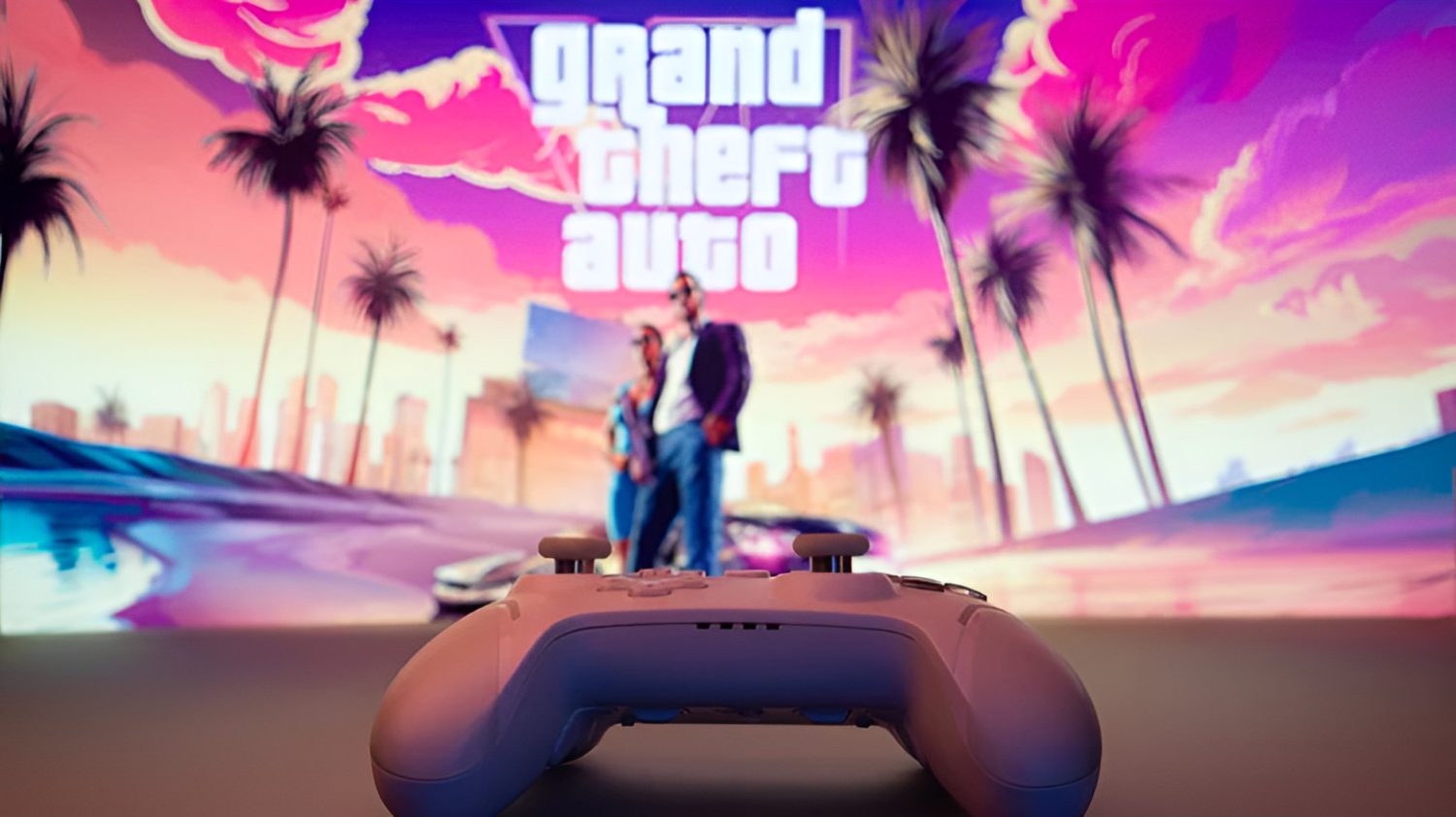
Rockstar hasn’t confirmed a number — and multiple analysts now estimate GTA 6‘s development budget at $1–1.5 billion, positioning it as almost certainly the most expensive video game ever made. That figure either looks perfectly rational — GTA V generated roughly $800 million in its first 24 hours and has accumulated around $10 billion in lifetime revenue — or it’s a flashing warning light the industry is choosing to ignore. Probably both.
The Numbers That Put Everyone Else to Shame
Confirmed budgets from rival studios make GTA 6’s estimates look like a different category of spending entirely.
Court documents from the FTC v. Microsoft case revealed the following:
- The Last of Us Part II cost $220 million over six years with around 200 employees
- Horizon Forbidden West ran $212 million with 300-plus staff across five years
- Call of Duty: Black Ops Cold War reached $700 million in lifecycle development costs, excluding marketing
GTA 6 is estimated to roughly double that figure. Industry commentary around these numbers has been blunt: costs are, as one widely cited headline put it, “out of control.”
Rockstar North co-head Aaron Garbut noted GTA 6 ships with approximately 600,000 animations — double Red Dead Redemption 2, and more than ten times GTA V’s roughly 55,000. Think of it like a prestige streaming series that never stops adding episodes, except every episode requires motion capture, an original score, and years of engine work. The game has already been delayed from an initial 2025 target to May 2026, then pushed again to November 2026.
Who Pays for All This – and How
Behind every billion-dollar budget is a labor force working under conditions that rarely match the glamour of the product.
Bigger budgets haven’t produced better working conditions. Red Dead Redemption 2 development brought reports of 100-hour work weeks. The Last of Us Part II was linked to mandatory crunch at Naughty Dog. GTA 6’s development has drawn allegations of intense overnight hours and claims — denied by Rockstar — that employees involved in unionization efforts were terminated. These remain disputed allegations, not adjudicated facts, but the pattern across studios is hard to dismiss.
Take-Two keeps writing the checks because the math, historically, works. GTA Online reportedly still earns millions weekly from microtransactions and GTA+ subscriptions, more than a decade post-launch. Star Citizen offers the cautionary counterpoint: over $1 billion crowdfunded since 2011, still in alpha, with single-player companion Squadron 42 now targeting 2027 after originally aiming for 2014. Consumers aren’t simply buying a game — they’re watching an entire industry stake its future on a single title.