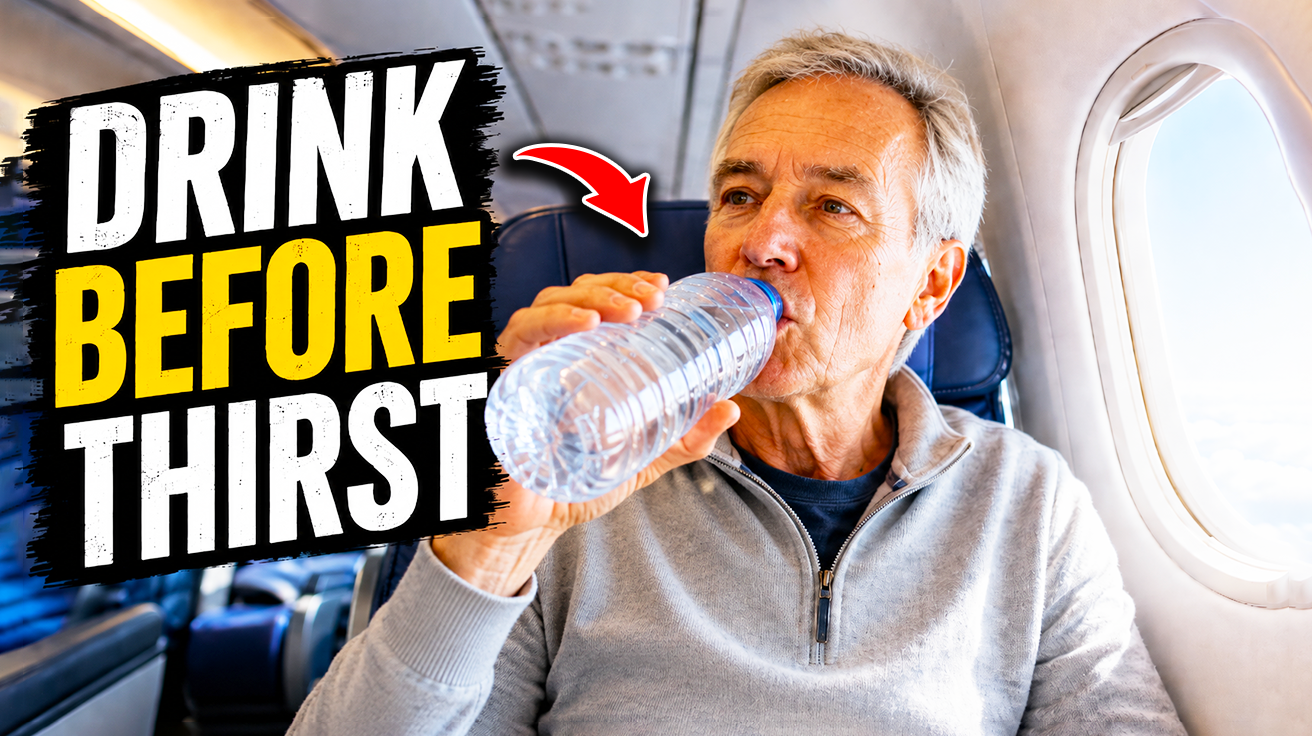
Long-haul flights can turn into a physical endurance test when your body protests every uncomfortable angle. Stiffness from car rides, security lines, and check-in queues compounds once you’re wedged into economy seating for hours. These ten evidence-backed strategies help older travelers arrive feeling capable and comfortable rather than depleted. From compression socks rated at specific pressure levels to precise hydration schedules, each tip addresses real physiological challenges that intensify with age. Transform your next international journey from a dreaded ordeal into a manageable experience with practical adjustments that medical guidance actually supports.
10. Boarding Warm, Not Stiff
Light movement before boarding reduces the stiffness that makes long sitting unbearable.
Older adults frequently arrive at the gate already uncomfortable from car rides, check-in lines, and security screenings, which amplifies circulation problems during flight. Pre-flight stiffness transforms a long journey into a marathon of discomfort before takeoff. Arriving early creates space for slow terminal laps near the gate and restroom visits, replacing rushed tension with calm preparation.
Intentional movement—gentle stretching of your back, neck, hips, and calves—improves blood flow like a warm-up for sedentary hours ahead. Simple breathing exercises (a few slow, deep breaths before sitting) lower stress and muscle tension, supporting better in-flight comfort. This proactive approach ensures a physically relaxed start rather than beginning the journey already compromised.
9. Wearing Compression Socks for Long-Haul Flights

Graduated pressure stockings measurably improve venous return during extended sitting.
Long sitting causes blood to pool in lower legs; compression stockings apply graduated pressure (typically 15–30 mmHg) that actively aids veins in pushing blood back toward the heart. Clinical guidance for seniors at risk of venous thrombosis recommends compression stockings during long flights to help prevent deep vein thrombosis (DVT). Put them on before leaving home; they’re harder to manage in cramped aircraft cabins and most effective when worn throughout the flight.
This proactive measure keeps circulation moving rather than stagnating. Compression socks play an essential role in maintaining circulatory health, helping travelers arrive feeling prepared for their destination instead of physically compromised.
8. Moving Every 1–2 Hours and Doing Ankle Exercises Regularly
Regular movement and in-seat exercises activate the calf muscle pump that prevents blood pooling.
Prolonged sitting slows venous return from legs and increases clot risk; seniors are advised to walk aisles about every hour to enhance circulation. Calf muscles function as the body’s secondary heart, pumping blood back upward when active. When turbulence or seatbelt signs prevent standing, in-seat exercises maintain circulation. Ankle rolls, heel raises, and leg extensions activate muscle pumps when walking isn’t possible.
Many senior-travel health guides recommend walking the aisle every 1–2 hours and performing ankle circles or pumps every 30 minutes as practical DVT prevention. Even short walks—to the lavatory and back—or brief standing in the galley markedly reduce stiffness and lower clot risk on long-haul flights. These consistent, small movements ensure arrival readiness rather than requiring recovery time.
7. Proactive Hydration (Not Waiting Until You Feel Thirsty)
Aircraft cabins below 20% humidity accelerate fluid loss; scheduled water intake prevents dehydration.
Aircraft cabins routinely drop below 20% relative humidity; dry air and altitude increase fluid loss and can quickly lead to mild dehydration, especially in older adults. Dehydration thickens blood and slightly increases clotting risk, so many senior travel guides recommend drinking water at least every hour on long-haul flights. Carrying an empty water bottle through security and filling it at the gate allows continuous access rather than relying on periodic drink service.
Experts advise starting to increase water intake 24 hours before flying and continuing to sip regularly during the flight, rather than consuming large amounts all at once. Steady intake helps your body absorb fluids efficiently, maintaining peak cognitive function and dodging typical travel fatigue. Proactive hydration ensures landing ready for whatever comes next, not depleted.
6. Avoiding Heavy, Salty Meals and Limiting Alcohol
High sodium and heavy meals worsen fluid retention and bloating during immobile hours.
Airline and airport meals often contain high sodium levels, which contribute to fluid retention, swollen ankles, and discomfort when combined with long sitting. Heavy meals before or during flight slow digestion and cause bloating and sluggishness, making it harder to move comfortably onboard. Senior travel health resources recommend light, balanced meals with lower sodium and higher fiber, plus bringing healthier snacks like fruit or unsalted nuts.
Alcohol is a diuretic; it promotes fluid loss, worsens dehydration, and can exacerbate jet lag and fatigue. Older travelers are often advised to minimize or avoid it entirely on long flights. Mindful dietary choices ensure a more energetic and comfortable arrival rather than post-flight recovery needs.
5. Reducing Cabin Noise Fatigue
Continuous engine noise and announcements increase mental fatigue; dual-layer noise reduction creates restorative quiet.
Long-haul cabins expose passengers to continuous engine noise, announcements, and conversation, which increase mental fatigue and make rest more difficult. Noise-canceling headphones are widely recommended for older travelers to improve sleep quality and reduce sensory overload in busy aircraft environments. Combining simple foam earplugs with over-ear noise-canceling headphones significantly cuts ambient noise and creates a calmer environment for relaxation or sleep.
Listening to calming music or nature sounds through headphones helps reduce anxiety, support deeper rest, and make long flights feel less exhausting. This deliberate management of auditory input creates a private oasis, allowing genuine refreshment rather than total depletion.
4. Keeping Essentials in a Small Bag Under the Seat
Under-seat storage ensures critical items remain accessible during turbulence and seatbelt-on periods.
Seniors are advised to keep critical items—medications, reading glasses, chargers, travel documents—in a carry-on or personal bag that stays with them in the cabin. Storing these essentials under the seat (rather than in the overhead bin) ensures access during turbulence or seatbelt-on periods when bins may not be reachable. Many airlines recommend keeping prescription medicines in hand luggage, both for accessibility and to avoid problems if checked luggage is delayed or lost.
Including comfort items like earplugs, eye masks, tissues, lip balm, and hand sanitizer in this under-seat bag makes it easier to maintain routines and manage minor discomforts. Keeping crucial items close ensures you maintain vital medication schedules and prevents your flight from becoming an anxiety marathon.
3. Protecting Skin, Eyes, and Airways from Cabin Dryness
Low cabin humidity causes dry lips, irritated eyes, and scratchy throat; regular moisturizing counteracts these effects.
Relative humidity in aircraft cabins can drop below 20%, which often leads to dry lips, irritated eyes, scratchy throat, and nasal dryness after several hours. Senior travel advice commonly recommends packing a small comfort kit with lip balm, hand cream, and facial wipes to counteract skin dryness during long flights. Saline nasal spray helps keep nasal passages moist, which can reduce discomfort and may support mucosal defenses against respiratory irritants in dry cabin air.
Regularly using these items throughout the flight, rather than waiting for severe dryness, makes long-haul travel noticeably more comfortable, especially for older adults. Small, consistent acts of self-care help travelers land feeling less parched and depleted.
2. Adapting to Destination Time as Soon as Possible
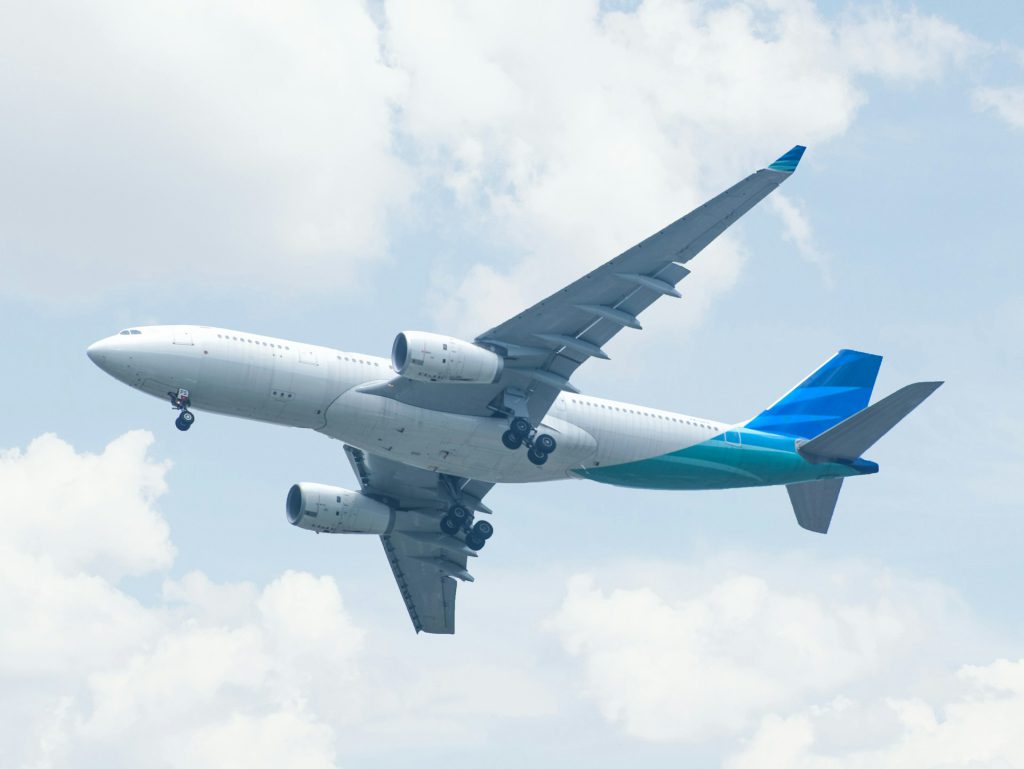
Shifting sleep and meal schedules before departure accelerates circadian adjustment across time zones.
Older adults often take longer to adjust their circadian rhythms after crossing multiple time zones, making jet lag more disruptive. Travel sleep experts recommend shifting sleep and meal times toward destination time for several days before departure to make in-flight adjustment easier. Once on board, setting watches and devices to destination time and trying to sleep or stay awake according to that schedule helps the body clock adapt more quickly.
After arrival, exposure to local daylight—especially morning sunlight—and staying moderately active during daytime further accelerates adjustment to the new time zone. This signals your body it’s prime time for action, transforming what used to be days of post-flight sluggishness into a swift, energized start.
1. Prioritizing DVT (Deep Vein Thrombosis) Prevention
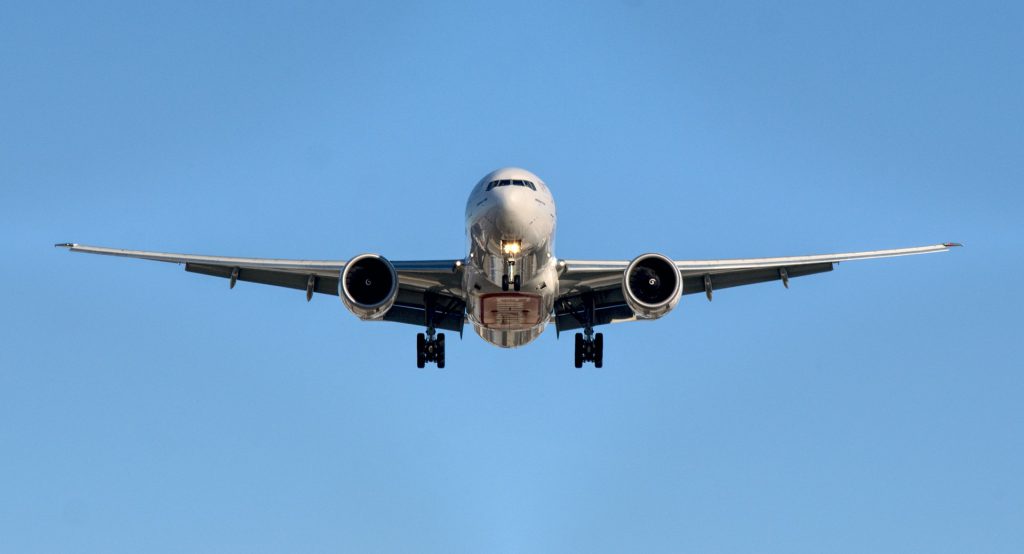
Comprehensive prevention strategies—compression, hydration, movement—reduce clot risk in high-risk older travelers.
DVT is a blood clot in a deep vein, usually in the legs; long periods of immobility, older age, and certain medical conditions increase the risk during flights. Elder-care travel guidance specifically recommends assessing cardiac and clotting risk before air travel and using compression stockings on long flights for at-risk seniors. Comprehensive prevention for long-haul travel includes:
- wearing compression socks
- staying well hydrated
- avoiding alcohol
- doing regular ankle and calf exercises
- walking the cabin every 1–2 hours
Discussing individual risk factors and potential need for medications (such as anticoagulants) with a healthcare provider before especially long trips is advised for travelers over 70 or with prior clot history. Combining these simple, consistent habits provides powerful protection, making DVT prevention non-negotiable for long-haul senior travelers.