A high school physics teacher in Emporia, Kansas, gets physically dragged out of a city commission meeting. The reason? Clapping. That’s the story of 2026’s strangest civil liberties flashpoint — and it’s unfolding in town halls across America, not at tech campuses or corporate headquarters.
Clapping Is Now a Criminal Matter
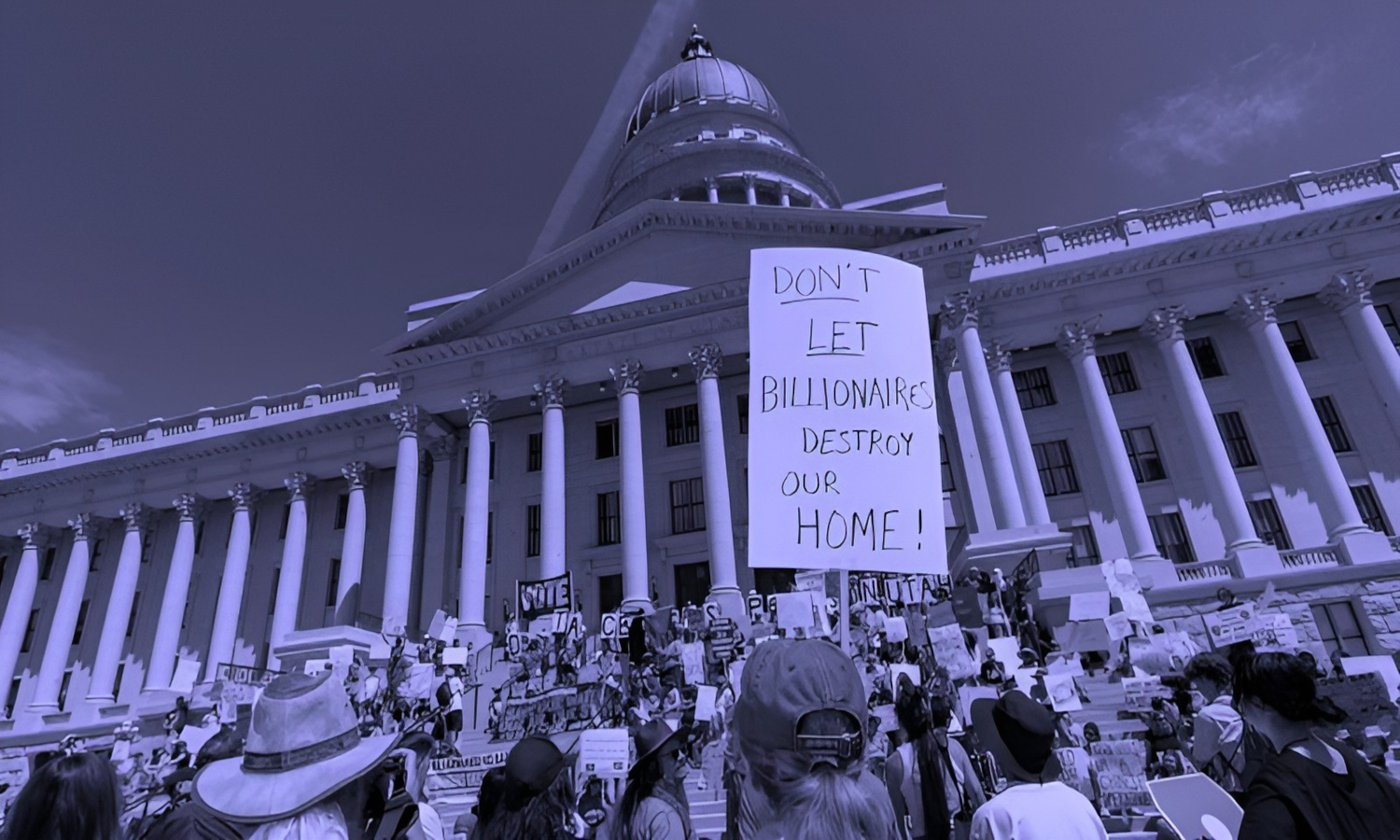
Thirty-seven Americans have been arrested at data center hearings so far in 2026 — for clapping, refusing to show ID, or refusing to leave a hallway.
According to a Futurism investigation published August 3, 2026, at least 37 people have been arrested at public meetings tied to AI data center proposals this year. Twelve additional police interventions stopped short of formal charges. The arrests span multiple states and are tied almost exclusively to zoning hearings for massive server campuses — facilities covering hundreds or thousands of acres — backed by companies with significant corporate resources and established local political relationships.
Charges read like a list of extremely minor infractions:
- Disorderly conduct
- Criminal trespass
- Interference with law enforcement
Parking-ticket-level offenses, technically — except they come with jail bookings, bail, court dates, and records.
The Power Imbalance Has a Face – Two of Them
A physics teacher in Kansas and a maintenance manager in Indiana walked into public meetings — neither expected to leave in handcuffs.
Lux Claridge attended the July 22, 2026 Emporia city commission meeting on the Flint Hills Digital Campus, a proposed 1,000-acre AI data center. Commissioners warned the room beforehand: no clapping. Claridge clapped anyway, supporting a speaker opposing the project. Police dragged Claridge out and booked them into Lyon County Jail on disorderly conduct and interference with law enforcement charges. The city later dropped its municipal charges without prejudice, referring the case to county authorities — legal exposure remains unresolved.
“I am fully of the notion that clapping is a First Amendment right that I have,” Claridge told the Kansas Reflector. “I still argue that I was not disrupting at all.”
In Hobart, Indiana, 42-year-old maintenance manager Pablo Payan refused to provide his name and address for the public record at an Amazon–NIPSCO data center hearing. When officers removed him to the hallway and he refused to leave, he was arrested on Criminal Trespass and Disorderly Conduct charges. His read on it, per Futurism: officials wanted to prove “the law is on their side” — a signal designed to freeze everyone else in their seats.
Officials counter that decorum rules exist to maintain order when emotions run high — a position documented in statements from both the Hobart and Emporia proceedings. What’s harder to dismiss is the pattern of who keeps getting silenced, and which corporate interests consistently benefit from that silence.
Your Town Could Be Next
The people being arrested aren’t radicals — and that’s precisely what makes this different.
These aren’t professional activists. Landowning farmers, Boomer retirees, Gen Z teachers, suburban parents — people who’ve rarely, if ever, interacted with the criminal justice system. Attending a zoning meeting used to be the most unglamorous form of civic participation imaginable. Now it carries real legal risk.
The public meeting was always supposed to be democracy’s ground floor. A no-clapping policy enforced by police can make it feel more like a terms-of-service agreement — technically open to the public, functionally closed to dissent. If that chilling effect takes hold, civil liberties organizations are already watching, and tech companies may soon discover that how they enter a community matters as much as what they build there.