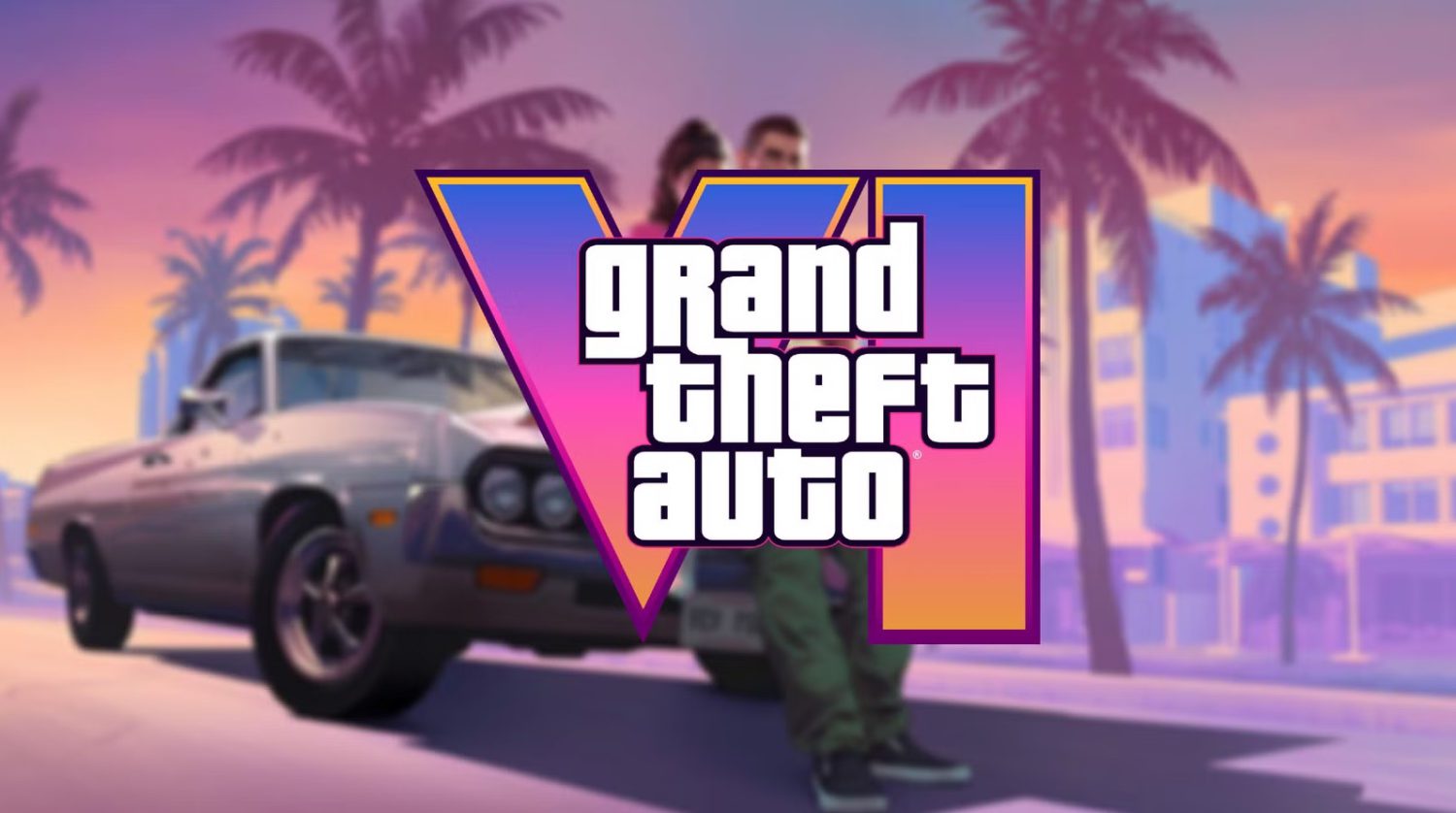
Take-Two’s net bookings guidance sits at $8–8.2 billion, with GTA VI as the load-bearing wall. Rockstar calls it “the biggest, most immersive evolution of the series yet.” After two prior delays — a fall 2025 window, then a May 2026 target — Take-Two CEO Strauss Zelnick told Bloomberg the November 19 date is firm: “probably a positive,” and they’ve been “really clear” about it. This isn’t just a game launch. It’s a date embedded in investor spreadsheets.
Here’s what’s confirmed:
- Platforms: PS5 and Xbox Series X|S only; no PC release announced
- Pricing: Standard edition at $79.99 / £69.99; pre-orders opened June 25, 2026
- Pre-loading: Available from November 12, so players can start the moment servers go live
- Scale: Analysts describe GTA VI as potentially the biggest entertainment release by revenue in history
Journalists and fans who’ve seen extended previews describe it as “less of a game and more of a place” — a life simulator as much as a mission-based title. That framing matters for what comes next.
The “Work Blackout” Is Already Being Booked
Meal-prepping for an uninterrupted gaming week isn’t a punchline — it’s a documented workplace trend.
Anna Ray, a 30-year-old medical-sales rep and pro wrestler, is taking Thursday through Thursday off and meal-prepping in advance to maximize uninterrupted play. That detail isn’t a joke. It’s a scheduling philosophy. Bud Burruss, a 36-year-old software engineer, plans five days off the week before Thanksgiving. He told The Wall Street Journal: “I’m not going to play 20 hours straight like an absentee father — but I’m going to go hard.” He’s also setting his alarm for 1–2 a.m. on launch night.
This behavior isn’t new — it’s just bigger. Guilherme Stephano, a 34-year-old Brazilian civil servant, is taking 10 days off, which he notes is actually less than the 20 days he took for Red Dead Redemption 2 in 2018. Post-pandemic flexible PTO and remote work have simply made it easier to structure a life around a launch date.
The timing compounds everything. November 19 lands exactly one week before U.S. Thanksgiving — already the year’s softest productivity stretch. Game-related PTO clustering on top of existing holiday leave creates an extended absence window that business commentators are calling a potential “workplace blackout.” To be direct about it: no hard data quantifies the economic cost. This is anecdote-driven concern, not a measured forecast.
What Comes After the Credits Roll
If game launches become cultural events on par with the World Cup, HR policy may need to catch up.
Open-world titles like this one don’t end at launch week. The engagement tail on a “place, not just a game” can stretch for months — which means the productivity conversation doesn’t stop on November 26. If coordinated gaming PTO becomes as normalized as calling in sick for a Champions League final, employers may eventually handle major releases the way they handle March Madness: acknowledge it, plan around it, and stop pretending it isn’t happening.
That’s not a crisis. That’s just the culture updating its calendar.