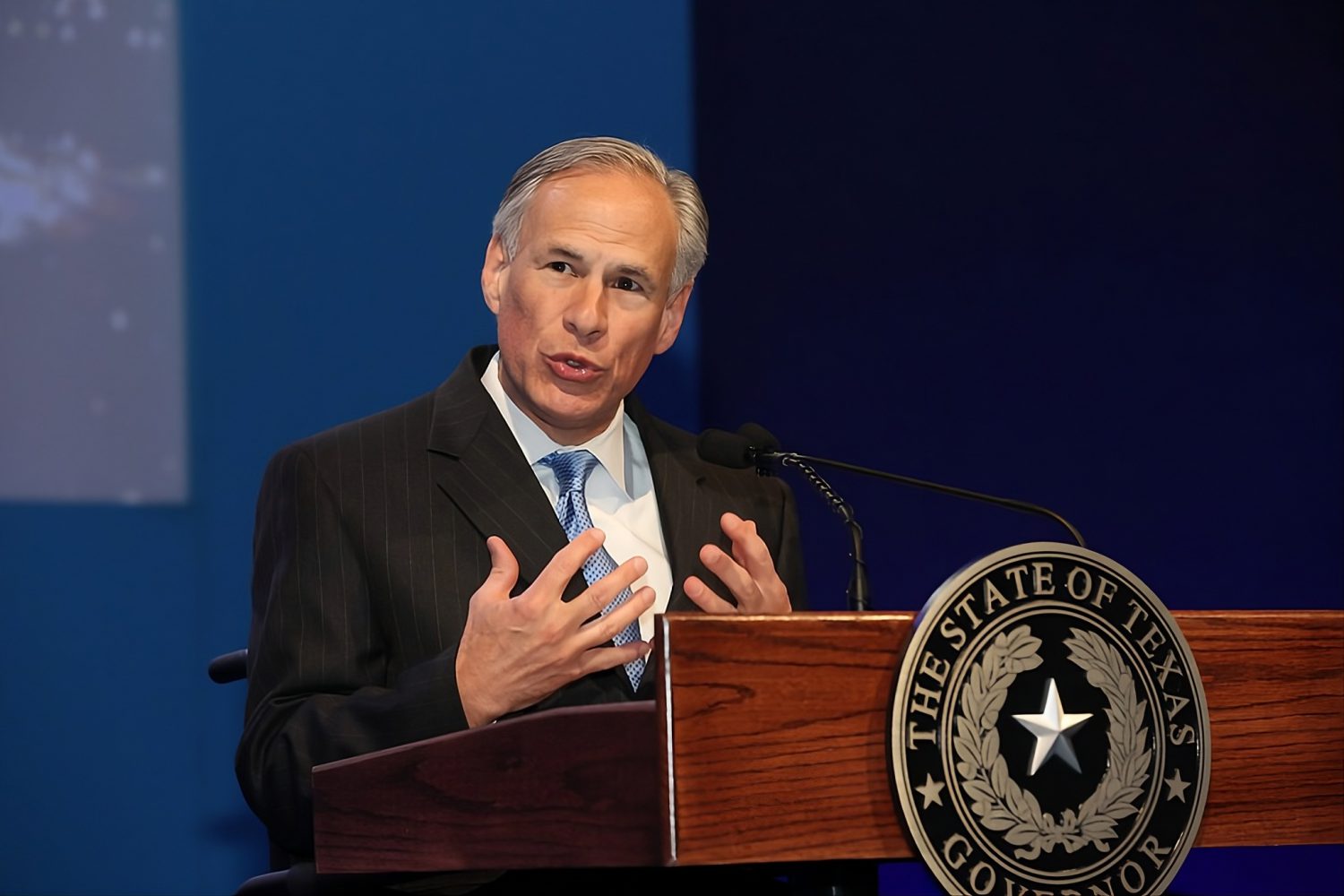
The timing alone tells you something. Thursday night, Gov. Greg Abbott’s office ordered a pause on state funding for Flock Safety cameras. Friday morning, the Texas Tribune published an investigation revealing that a state agency — stacked with Abbott’s own appointees — had quietly directed at least $30 million toward building a 3,200-camera surveillance app-linked network across Texas since 2023. This is a funding freeze, not a ban. The cameras are still out there. Abbott just stopped paying for more of them.
How $30 Million Built a Surveillance Network No One Voted On
The agency behind the buildout was largely appointed by the same governor now pulling its funding.
The Motor Vehicle Crime Prevention Authority funded the expansion: a $15.9 million agreement supporting nearly 1,200 Department of Public Safety cameras, grants to local police departments, and a separate $3 million tollway camera approval pushed through in early August. That is a lot of hardware for a network most Texas drivers never agreed to join. Abbott’s spokesman Andrew Mahaleris confirmed the freeze Friday: “To the extent any funding comes from Texas agencies, those agencies are clarifying that those funds cannot be used for Flock cameras.”
Key facts from the Tribune’s investigation:
- At least 3,200 Flock cameras installed across Texas since 2023
- $30 million in state agency funding identified by the Tribune
- $15.9 million agreement supporting roughly 1,200 DPS cameras
- A separate $3 million tollway camera approval in early August
- Abbott’s office says most cameras are city-operated; multiple cities are now canceling contracts
Abuse Cases Turned a Police Tool Into a Political Problem
Documented misuse transformed an abstract privacy debate into a bipartisan liability.
The political coalition against Flock is not one anyone predicted. Republican Rep. Keith Self declared “Big Brother has NO place in the Lone Star State.” Sen. Josh Hawley launched a formal inquiry into who can access Flock’s data. Sen. Bernie Sanders announced plans to introduce legislation to curb AI mass surveillance — though no bill text or timeline has been released. When the far right and the progressive left land in the same foxhole, something concrete broke first — and San Jose’s own Flock problem showed how quickly local backlash can follow.
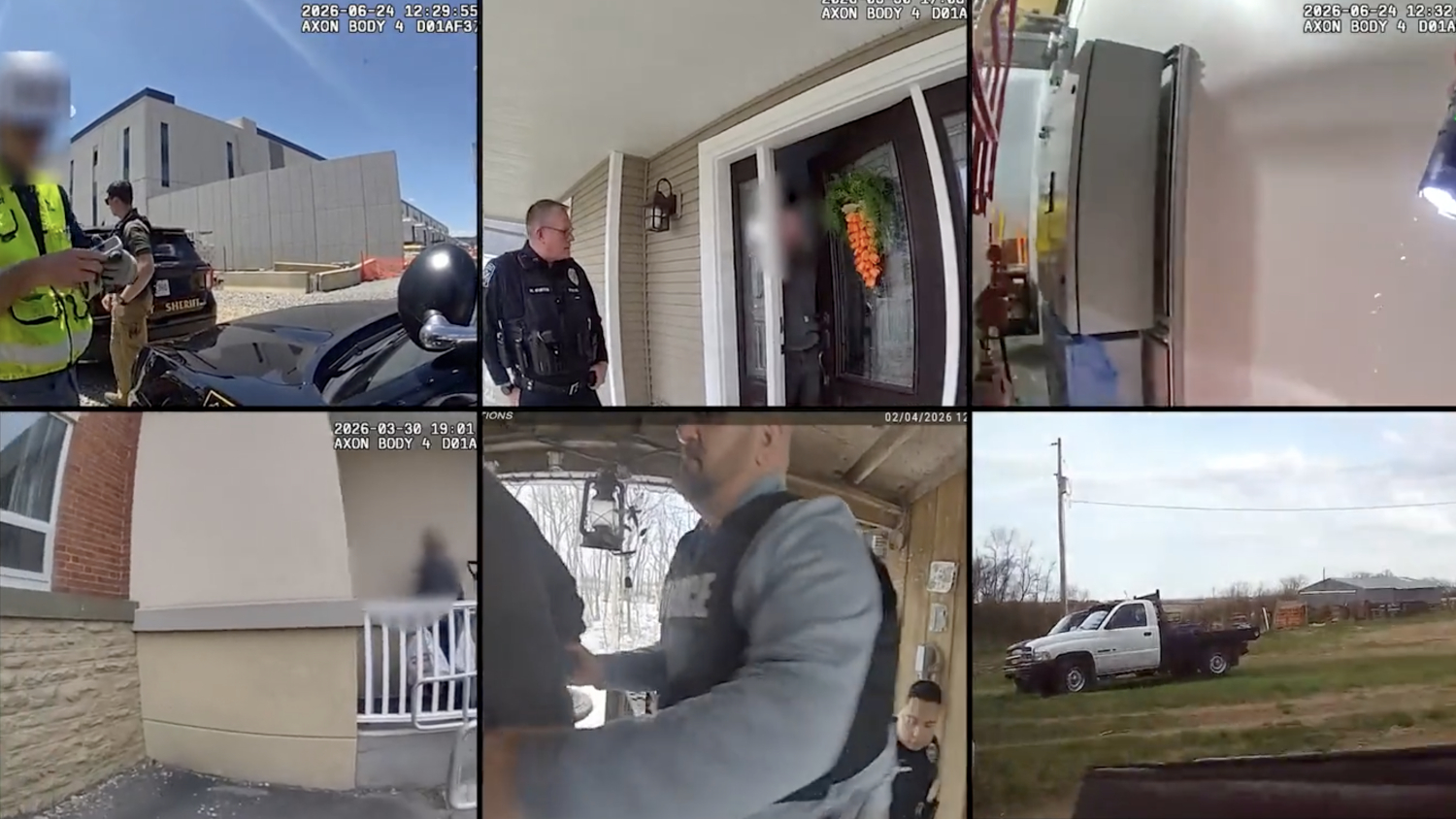
In this case, it was a Lufkin police officer indicted on felony charges after repeatedly tracking several personal plates — including a former partner’s — thousands of times through Flock access. Flock’s defenders argue abuse represents a tiny fraction of total use and that training protocols exist to prevent unauthorized searches. Critics and civil liberties groups were unconvinced.
What Comes Next
The freeze raises more questions than it answers about existing grants, legal codification, and what other states will do.
Whether existing grants get clawed back, whether the pause gets written into law, and whether other states treat this as a permission slip to follow — none of that is settled. Every plate reader still mounted on a Texas roadside is still scanning — a reminder of how systems that begin secretly tracking users rarely disappear overnight. Abbott stopped funding more of them. For now, that is where things stand — and the rest of the country is watching.