It’s 2 a.m. A single mosquito circles your ear like a tiny drone with a vendetta. Now there’s a device that reportedly tracks that mosquito with LiDAR and vaporizes it with a precision laser in three milliseconds. That’s the pitch from Photon Matrix Lab, a Changzhou-based Chinese startup whose prototype mosquito-killing system has gone wildly viral. The catch? Like a restaurant that blows up on TikTok before any food critic walks through the door, the hype is currently outpacing the proof.
How a Mosquito “Air Defense System” Supposedly Works
The hardware is more sophisticated than your average bug trap — but the company’s own specs reveal some telling limitations.
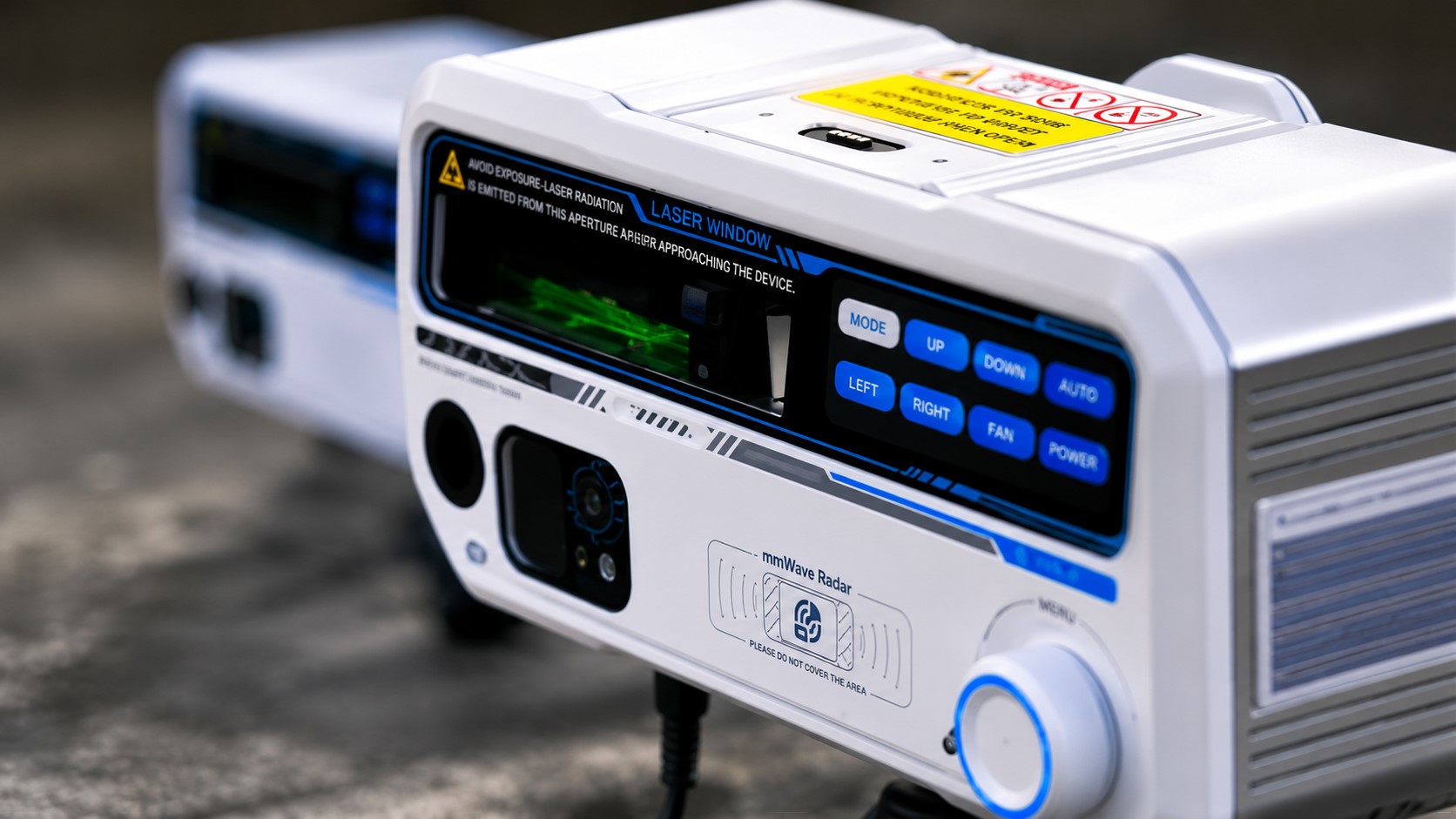
The device combines LiDAR for insect detection with a high-energy pulse laser for the kill shot. A millimeter-wave radar and AI vision module reportedly act as the safety net, scanning for larger objects like people or pets and disabling the laser when they enter the zone. The company says the system targets mosquitoes specifically — slow-moving ones, at that.
Photon Matrix Lab’s published spec sheet lists the following — none independently verified:
- Detection and targeting speed: approximately 3 milliseconds
- Kill rate: up to 30 mosquitoes per second (not independently confirmed by any third party)
- Effective target: mosquitoes flying under 1 m/s, body size 2–20 mm
- Range: 3 meters (basic model), 6 meters (pro), with a 90-degree scan angle
- Largely ineffective against faster insects like houseflies
That last detail matters. This isn’t a general-purpose bug zapper. The company openly acknowledges the system struggles with anything quicker than a casual mosquito cruise speed — so your housefly problem remains yours to solve.
The appeal is real: chemical-free, works in complete darkness, designed for bedrooms and patios. For anyone who’s ever marinated in DEET or listened to an electric trap crackle all night, the concept hits a nerve.
What’s Still Unproven – And Why That Matters
Independent testing hasn’t caught up with the marketing, and several safety questions remain genuinely open.
The 30-per-second figure sounds like something from an Avengers mission briefing, and no independent testing has confirmed it. Eye safety, real-world accuracy in cluttered rooms, and sustained performance outside controlled demos all remain open questions. No regulatory filing from a recognized consumer-safety body appears in publicly available records. This is still a prototype and crowdfunded device — not a mass-market product with third-party reviews behind it.
Photon Matrix Lab has built something genuinely intriguing: a pest-control concept that feels pulled straight from a sci-fi prop department. But until independent testing catches up with the marketing claims, your bug spray probably shouldn’t retire just yet — and neither should your skepticism.