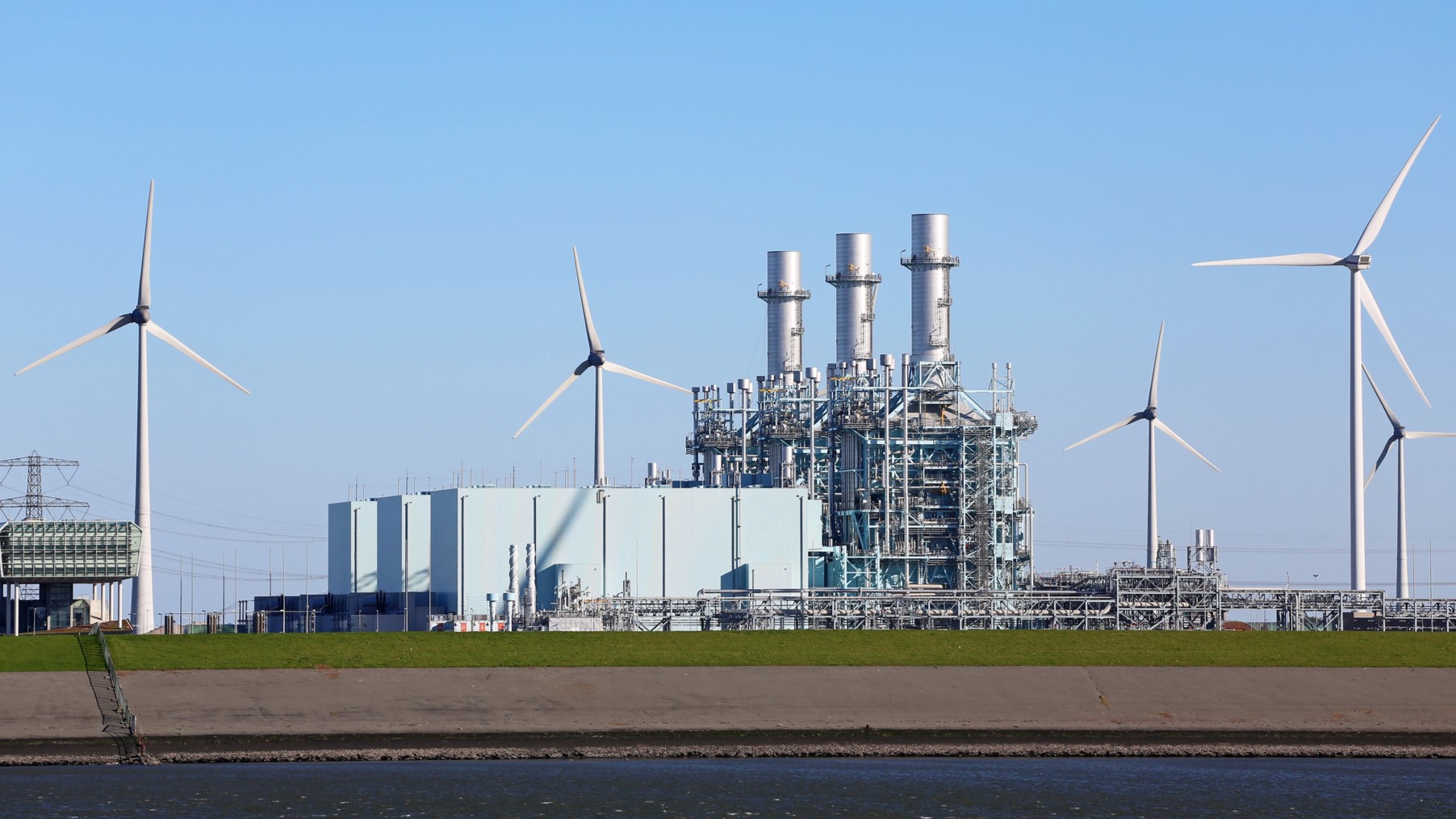
Sixty-nine gas turbines sit on trailers in Southaven, Mississippi, running around the clock without federal air permits, pumping NOx and formaldehyde into a majority-Black community already burdened by decades of industrial pollution. SpaceX says it will remove them all — just not until July 2027. That timeline arrived alongside active lawsuits from the NAACP, DOJ intervention, and congressional scrutiny from both chambers. The AI boom has a tailpipe, and specific zip codes are breathing it.
The “Temporary” Loophole That Wasn’t
xAI argued trailer-mounted turbines were exempt from Clean Air Act permits until the EPA explicitly said otherwise in January 2026.
The permitting logic was creative, bordering on absurd. xAI claimed its turbines qualified as “portable/temporary” units — still sitting on their shipping trailers, theoretically movable within a year — and therefore exempt from federal air permits. Mississippi’s Department of Environmental Quality initially agreed. The EPA did not. In January 2026, the agency revised its gas turbine standards and closed that door: turbines exceeding emissions thresholds need permits regardless of what they’re bolted to, according to reporting by the Guardian and the Southern Environmental Law Center.
The numbers explain why regulators pushed back. According to a Reuters analysis:
- 30 gas turbines at 80% capacity can emit roughly 2,500 short tons of NOx and 4,000 short tons of CO annually
- The Clean Air Act’s major-source threshold sits at 100 tons per year — these turbines exceed it by orders of magnitude
- Environmental analysts estimate NOx potential at 1,200 to 2,000 tons per year, surpassing Memphis International Airport’s total emissions
- The Colossus sites sit in majority-Black neighborhoods already carrying disproportionate pollution burdens
“xAI built an illegal power plant to power its data center.” — Southern Environmental Law Center
The NAACP and Earthjustice filed suit over the unpermitted Southaven facility, focusing initially on 27 turbines that have since grown into a 69-unit fleet. Senate Environment and Public Works leadership called out a “pattern of operating illegal data center gas plants.” The House Energy Committee followed with its own demands. Residents near the Colossus sites have described the turbines as loud and foul-smelling, with neighbors reporting worsening respiratory conditions in communities already “crushed by decades of pollution,” according to reporting by Mother Jones and Time.
The DOJ’s “National Security” Defense and What Comes Next
The Justice Department sided with SpaceX, arguing AI infrastructure is too strategically important to shut down on a clean-air timetable — effectively endorsing the July 2027 removal deadline.
The DOJ filed a statement of interest backing SpaceX — not defending the turbines’ legality, but arguing their rapid removal would threaten “national, economic, and energy security.” It is the “ask forgiveness, cite geopolitics” playbook, and it effectively rubber-stamps the July 2027 deadline rather than demanding faster action.
Meanwhile, MDEQ has issued a Clean Air Act permit for a permanent 1.2 GW natural gas plant — 41 turbines, ranging from 16.48 MW to 50 MW each, with pollution controls — to replace the mobile fleet. Removal of the 69 temporary units begins as early as August 2026 under an agreed order with MDEQ. The trade: swap unpermitted mobile turbines for a permitted permanent gas plant. Either way, residents face another year of the current situation before a single turbine leaves.
SpaceX’s IPO filing discloses $2.8 billion in planned AI infrastructure purchases for data centers over three years, according to PCMag. Musk also acquired APR Energy, a company specializing in exactly this kind of rapid-deploy mobile power — and its turbine models appear different from those permitted for the new Colossus plant, suggesting the APR fleet may be destined for a future, unannounced project. Memphis might not be an anomaly. It might be the blueprint.