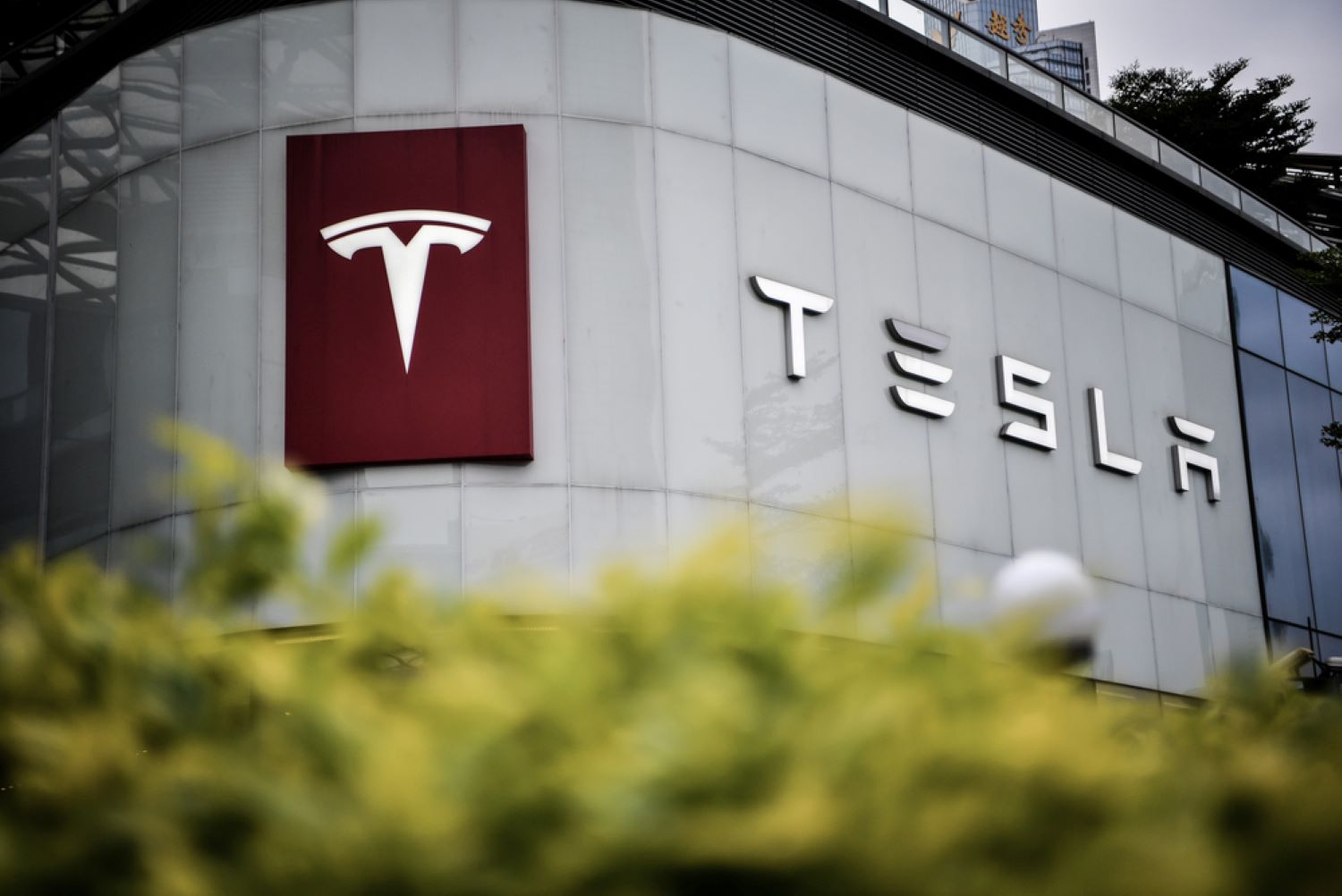
Tesla‘s most productive factory on the planet is reportedly on the table. The Wall Street Journal reported on July 30, 2026, that Tesla is weighing a separation of its entire China business — spinoff, sale, or closure — to clear regulatory obstacles for a potential SpaceX merger. Musk fired back on X, calling it “absurdly fake news.” Tesla China told Chinese outlet The Paper it was “false information.” Strong words. But denied or not, the collision between Tesla’s massive China footprint and SpaceX’s role as a U.S. defense contractor is real, structural, and not going away.
Why SpaceX Changes Everything
The moment SpaceX enters the equation, Tesla’s China operations become a national-security problem, not just a business one.
SpaceX isn’t just a rocket company — it’s a U.S. defense contractor bound by strict ITAR export controls that limit foreign access to its programs. A merged Tesla–SpaceX would mean a defense-linked entity directly controlling manufacturing, supply chains, and data flows inside China. JPMorgan analysts put it bluntly, according to The Independent: any merger faces “major regulatory hurdles,” particularly involving China. That’s not editorial opinion — that’s how national-security reviews operate.
To understand the stakes, consider Shanghai’s footprint:
- The Gigafactory carries roughly 1 million vehicles of annual capacity, making it Tesla’s largest plant globally
- China is Tesla’s second-largest market after the U.S.
- Over 95% of parts for China-built Model 3 and Model Y come from more than 400 domestic suppliers
- In Q2 2026, Shanghai exported 128,394 vehicles versus 126,157 sold domestically — the first quarter in which exports topped local sales
Prediction markets on Kalshi currently price roughly 49% odds of a Tesla–SpaceX merger by May 2027.
SpaceX President Gwynne Shotwell told CNBC that combining the companies “might make Elon’s life a little easier.”
According to the WSJ, some Tesla executives were told to prepare for a China separation. Advisers reportedly discussed the full menu — spinoff, sale, shutdown. Musk had previously directed a “laser” separation between U.S. and China operations, partly driven by concerns over LFP battery dependency and chip-supply disruption in a Taiwan conflict scenario. The plans were described as preliminary, with no timeline confirmed.
The Denial That Proves the Point
Musk’s rebuttal on X is forceful, but the structural architecture it’s denying was already quietly built.
Musk dismissing this as fake news on the platform he owns follows a recognizable script. The underlying architecture, though, doesn’t vanish on denial. Tesla already reportedly operates with a deliberate U.S.–China operational firewall — separate export entities, restricted system access for China-based staff. That operational firewall was architected deliberately, a structural acknowledgment predating any headline that two business empires this different cannot share a roof without regulatory consequence.
Stripped of its Shanghai operations, Tesla would leave European and Asia-Pacific buyers in a difficult position. That plant is their primary source of Model 3 and Model Y units. Replacing its output elsewhere would be expensive and slow, likely pushing prices higher in markets that have already absorbed multiple cost increases. BYD and domestic Chinese rivals would inherit a vacuum Tesla spent years building.
On a recent earnings call, Musk acknowledged a merger “has got to be done with the appropriate process” — a tacit admission that complexity, at minimum, is real.
Whether the WSJ’s sources have it right or Musk’s denial ultimately holds, the underlying tension isn’t going anywhere. A defense contractor and a China-dependent automaker cannot merge without someone blinking first. The only open question is which set of regulators — Washington or Beijing — forces the issue.