Pieter de Vries, an antiquarian bookseller in Haarlem, Netherlands, received an email from a woman named Natalia. She represented a company called 2077AI and wanted a “fairly large order” — attached was a spreadsheet listing 3,001 ISBNs. Recent academic titles from Elsevier, Wiley, Routledge, Oxford University Press. Shipping destination: China. De Vries, who deals in old and rare volumes, dismissed it as a phishing scam, according to reporting by Yahoo Tech. He was half right. It wasn’t a scam. It was something stranger.
Project Panama: The Pipeline Nobody Told You About
Behind a seemingly routine bulk order lies an industrial practice that’s quietly converting physical books into AI training data — then discarding what’s left.
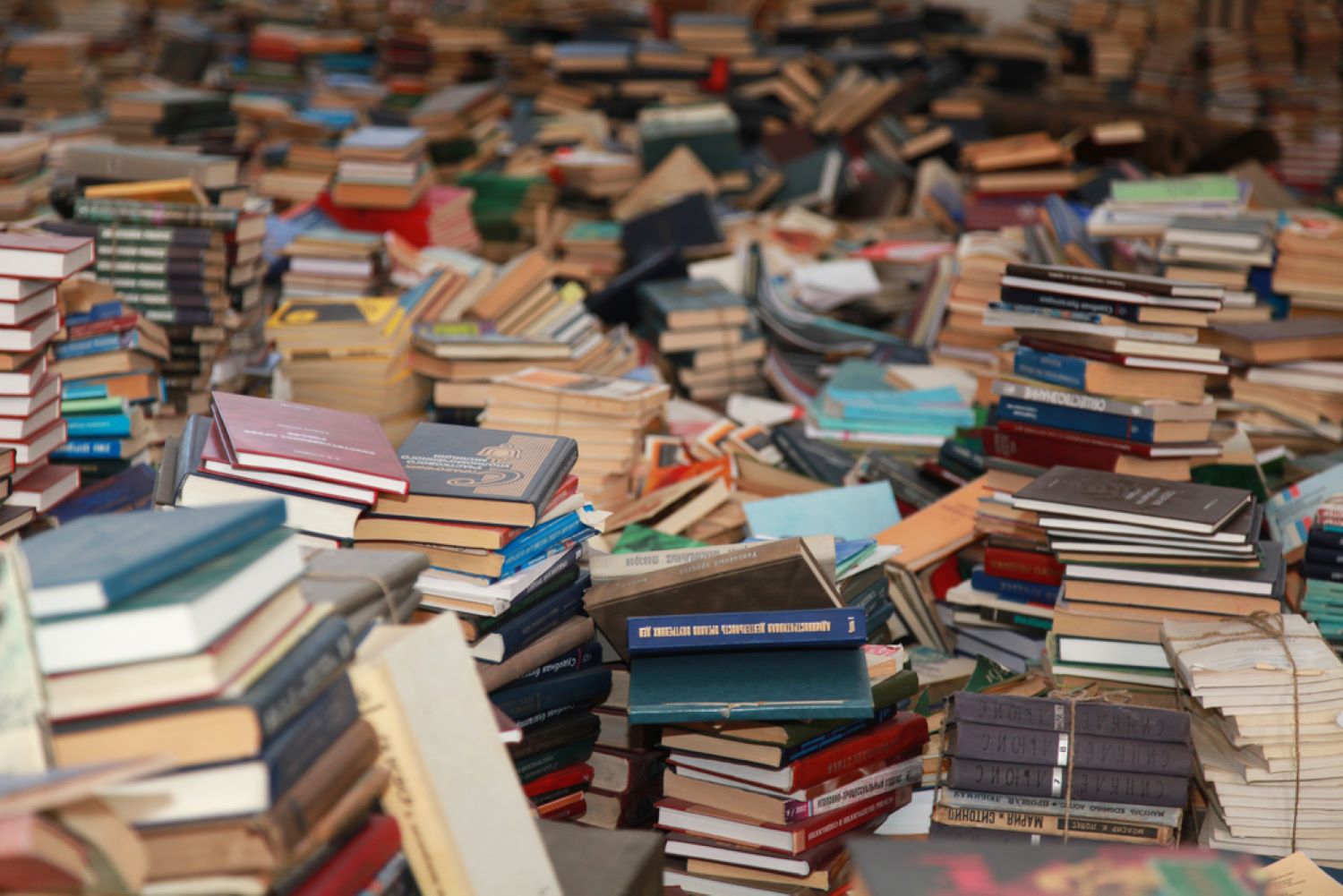
The internet is drowning in AI-generated text. That makes pre-2022 printed books — edited, peer-reviewed, guaranteed human — the cleanest training data money can buy. So AI labs are buying it. Literally. Intermediary companies source books at industrial scale, cut the spines off, feed pages through high-speed scanners, and toss the remains. Anthropic’s internal program for this, revealed in unsealed court filings, had a name: Project Panama. Its stated ambition was to “destructively scan all the books in the world.”
The physical book dies so the model can learn.
Court filings unsealed in 2025 document Anthropic purchasing millions of physical books, removing bindings, scanning every page, and discarding the originals. A federal judge in the Northern District of California subsequently ruled the practice qualifies as fair use under Section 107 of the Copyright Act in Bartz v. Anthropic. Beyond Anthropic:
- Data broker ISBNdb briefly advertised bulk book sourcing “tailored to LLM training needs” before quietly removing those pages — later claiming the service was never launched.
- Dutch and European booksellers report anonymous buyers paying 3–5× market price for obscure titles, sometimes with contractual clauses requiring delivery of disassembled single-page scans.
Legal commentators have called the ruling a “green light” for AI firms to expand destructive scanning while web-scraping lawsuits remain unresolved. Supporters argue the text survives digitally. Only the object disappears.
When Rare Means Disposable
The line between a common paperback and an irreplaceable artifact is blurring fast when purchases happen by the million.
In the Netherlands, rare-book dealers now report buyers — linked via logistics data to OpenAI, Anthropic, and a Chinese LLM company — targeting specific pre-19th-century volumes at 3–5× retail price. Contracts forbid resale. The physical books are destroyed after scanning. Critics warn this constitutes irreversible cultural loss: marginalia, bindings, provenance — none of that survives a scanner. Rare-book advocates are already using the phrase “AI book burning,” and the comparison carries weight that goes beyond rhetoric.
Anthropic states none of its programs target rare or antiquarian books. But the decisions about what survives are being made quietly — in the inboxes of booksellers who thought they were getting spam.