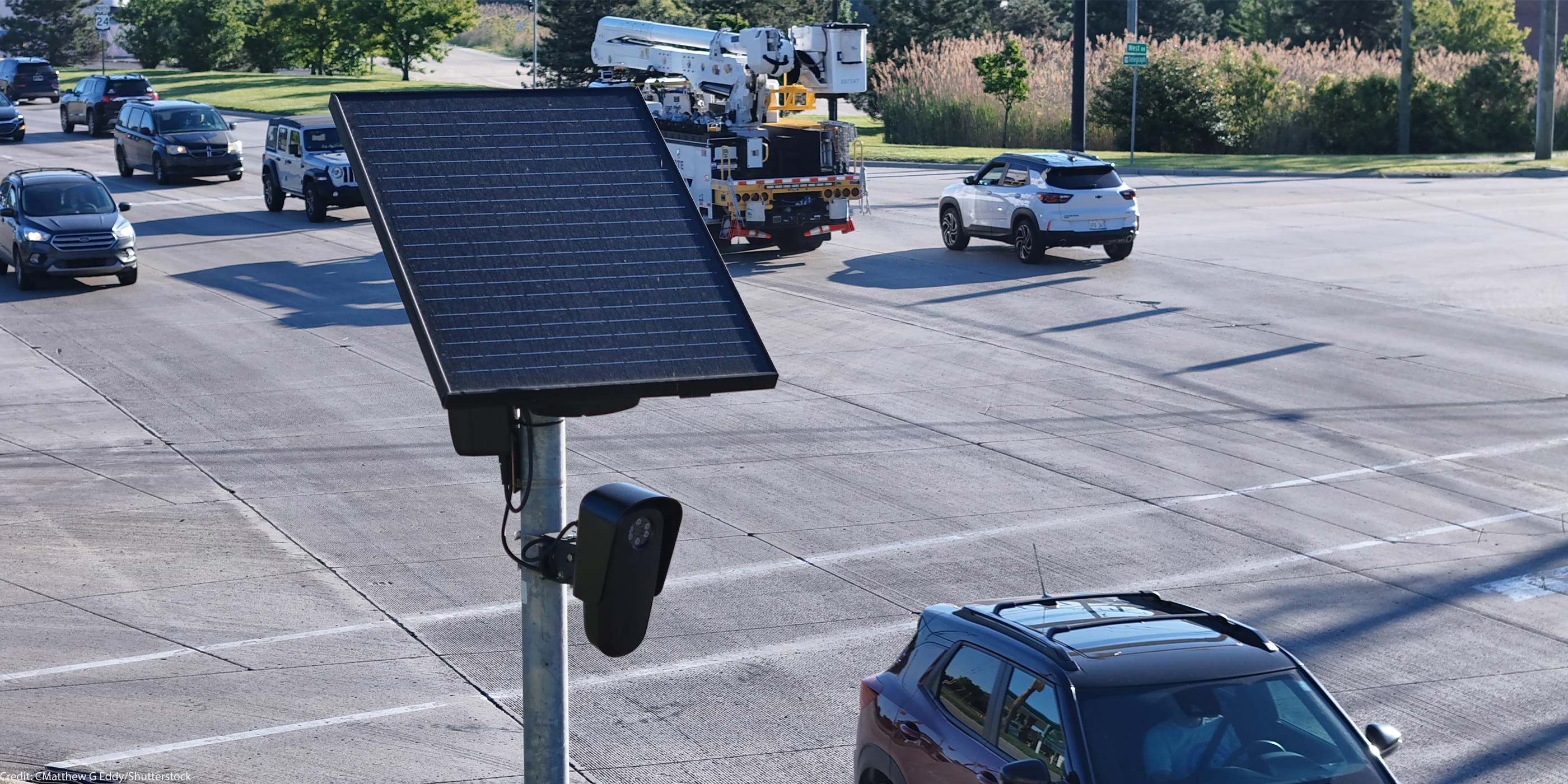
Seven out of ten “stolen vehicle” alerts were wrong. That’s the finding from Roseville, California’s own internal police analysis of Flock Safety’s AI-powered license plate cameras across 2023 and 2024. Out of 1,427 alerts flagging vehicles as stolen or connected to felonies, 71% contained misread plates, according to records obtained by Business Insider. Flock Safety, an Atlanta-based surveillance company valued at roughly $8.4 billion, operates in over 6,000 communities and scans approximately 20 billion plates per month. Roseville kept the cameras running anyway.
When a “9” Becomes an “8”
One Roseville driver was flagged six times because Flock’s software couldn’t tell two digits apart.
For one Roseville resident, a single transposed digit triggered six separate felony alerts to armed officers. Flock’s software repeatedly confused a “9” on his plate for an “8,” generating false stolen-vehicle alerts each time. He removed his plate frame at police suggestion. The misreads continued regardless.
Roseville’s records document failures accumulating across months:
- Cameras missed vehicles entirely — a dark gray SUV tied to mailbox break-ins drove past undetected
- Blurry images and plates cut off by trees or frames rendered reads useless
- Character swaps: “N” read as “V,” “1” as “4,” “3” as “2”
- In one April 2025 week, 16 of 17 flagged plates were incorrect
- Flock’s proposed fix: ask drivers to remove license plate frames — Roseville declined
“Our trust in the system degrades each time we run into this major issue,” Roseville crime center supervisor Amanda Jones wrote to a Flock senior product manager in January 2026. A lieutenant’s response to an earlier report of 16 wrong plates in a single week was a terse “Ouch!” Consider consulting resources on home security systems that experts vet for reliability before deploying any automated surveillance solution.
The Math Nobody Wants to Do
Flock advertises “high 90s” accuracy, but at 20 billion monthly reads, small error percentages translate into enormous real-world consequences.
Flock markets accuracy rates up to 99%. At 20 billion monthly reads, even a 1% error rate produces roughly 200 million misreads every single month. A separate LAPD Inspector General audit, covering August through September 2025, found nearly one-third of Flock’s stolen-vehicle alerts were false positives. LAPD let its contract expire after those results. Max Isaacs of NYU’s Policing Project called Roseville’s 71% figure “really beyond the pale,” adding that without concrete rules targeting misreads, “this technology is not safe to be deployed in communities.” Such concerns echo broader patterns seen in cases where a surveillance app was deployed without adequate accountability frameworks.
Flock blamed Roseville’s “atypical deployment” — older hardware, cameras mounted higher and farther from roadways than recommended, rear-only plate capture chosen to avoid recording faces. The company apologized and promised software updates. Those explanations amount to admissions that everyday environmental conditions can collapse advertised accuracy entirely. The stakes aren’t abstract: in Toledo, Ohio, a “7” misread as a “2” led to Brandon Upchurch being attacked by a police dog. He settled for $35,000, according to Business Insider.
Roseville says Flock has helped solve crimes and continues using the system. Its critical safeguard — requiring officers to verify plate data before initiating any stop — prevented misreads from causing direct harm there. Four states now mandate similar verification by law. California, where this all unfolded, currently has no such requirement.