You’re already fighting an uphill defamation battle, and then your own lawyer’s AI-powered brief gets called out by judges for including made-up case citations. That’s exactly what happened to Nikko D’Ambrosio, whose quest to sue Facebook group members for calling him “clingy” and “psycho” just became a cautionary tale about artificial intelligence in legal practice.
The appellate court didn’t mince words when reviewing attorney Aaron Walner’s brief, noting it contained citations that didn’t support the arguments and at least one that made the opposite point entirely. Judges identified what they called the “hallmarks” of generative AI misuse, including fictitious quotations that never existed in actual legal decisions.
When the Evidence Turns Against You
D’Ambrosio’s own exhibits proved more damaging than helpful.
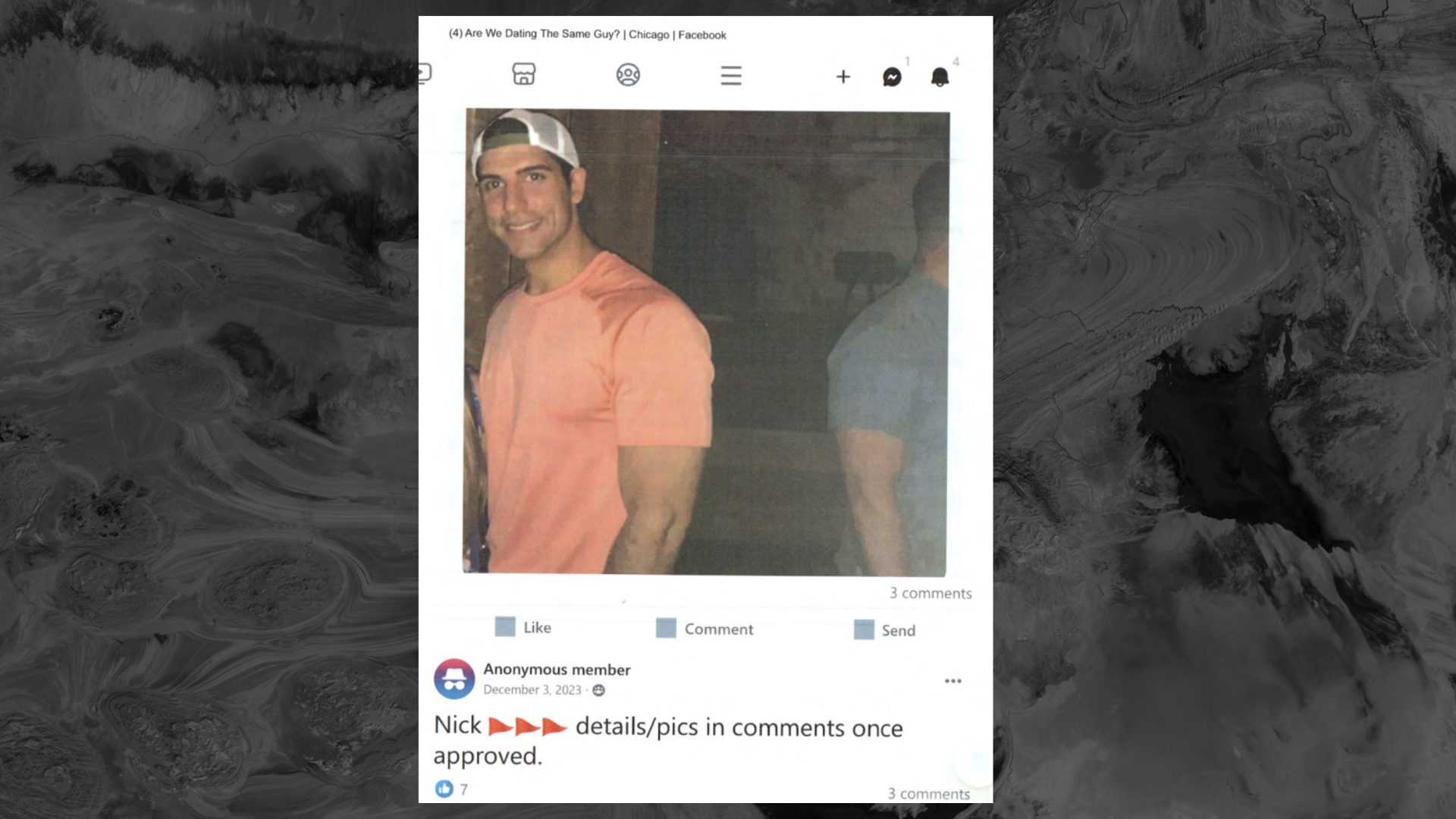
D’Ambrosio had sued women in an “Are We Dating the Same Guy“ Facebook group, seeking over $75,000 in damages for their posts describing his dating behavior. The case was already dismissed in May 2025, but the appeal made things worse. His own exhibit contained abusive text messages he’d sent, undermining any sympathy for his position.
Adding insult to legal injury, D’Ambrosio was separately sentenced to prison for tax fraud in 2024. His tax attorney told the jury D’Ambrosio lacked the sophistication to do his own taxes—which makes his defamation lawsuit’s complexity even more questionable.
The AI-Powered Law Firm Reality Check
Marketing “smart strategies” doesn’t guarantee smart execution.
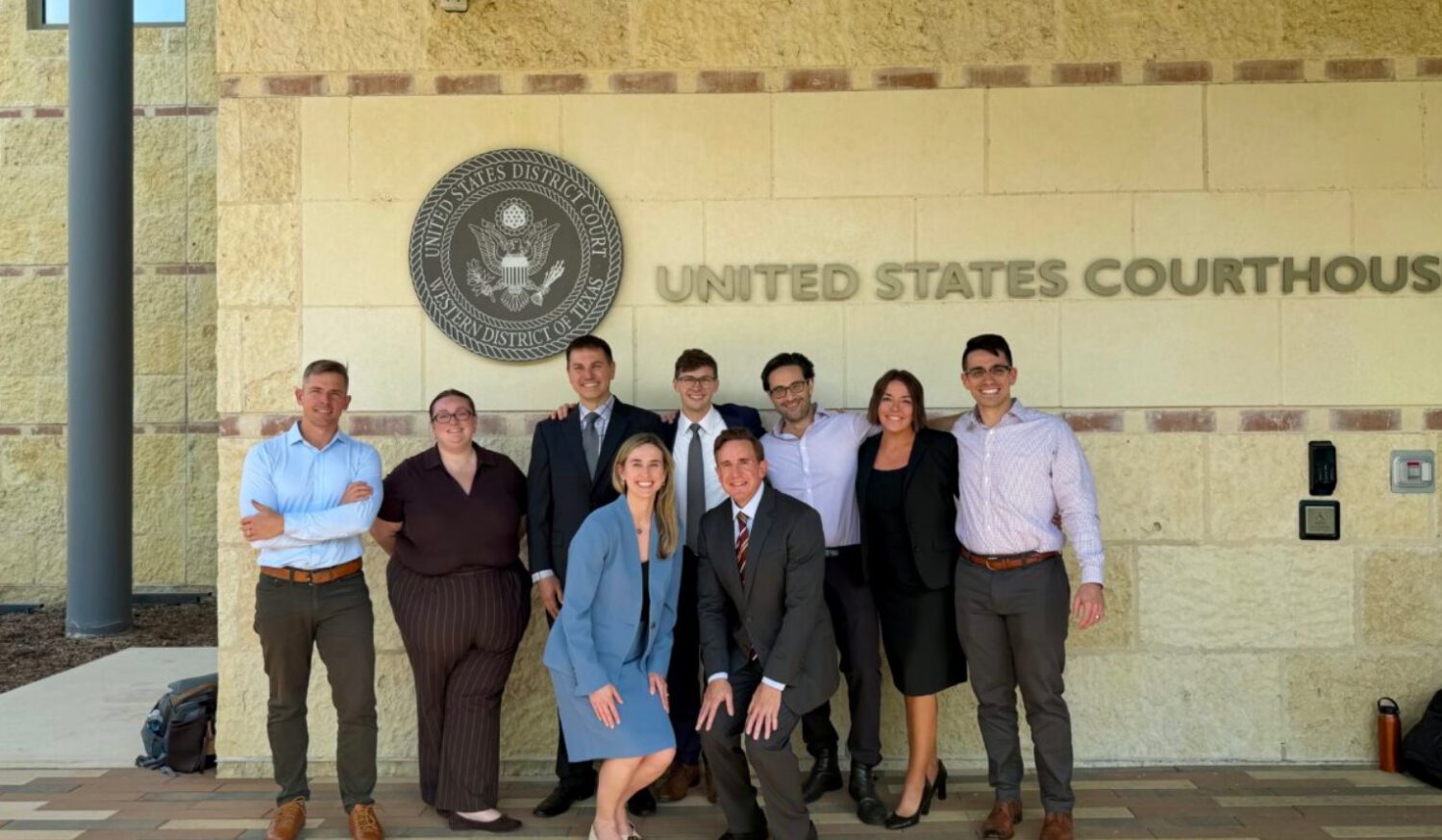
Here’s where it gets really messy. Walner worked with Marc Trent’s firm, which publicly promoted “AI-Powered Case Management” and “Smarter Legal Strategies” on their website. Turns out those smart strategies included letting AI hallucinate legal precedents that don’t exist. The court threatened sanctions against Walner, Trent, and D’Ambrosio unless they could explain the AI-generated errors.
These “Are We Dating the Same Guy” Facebook groups have become lightning rods in debates about women’s safety tools versus potential defamation. Members crowdsource warnings about problematic dating behavior, creating a digital whisper network that some men find threatening enough to sue over.
Professional Accountability Meets Silicon Valley Promises
Courts are cracking down on AI-generated legal fiction.
D’Ambrosio’s legal disaster highlights a growing problem: courts are seeing more AI-generated briefs with fabricated citations and nonsensical arguments. When efficiency software meets century-old professional standards, the results can be career-ending. Your lawyer’s shiny new AI tools might write faster, but they can’t tell the difference between real case law and computer-generated legal fiction.
Courts nationwide are imposing sanctions more frequently when attorneys submit unverified AI-assisted filings, signaling that the judicial system’s patience for algorithmic mistakes is running out.