You drive past a pole-mounted camera on your way to the range. Your plate gets logged — old news. But your phone, your smartwatch, the RFID tag still tucked inside that new holster box? Those might get logged too. Leonardo’s ELSAG SignalTrace represents a significant expansion in law-enforcement surveillance, and the NRA is flagging it as a direct threat to firearm-owner privacy. This isn’t a niche tech-policy debate anymore. It’s landing squarely in Second Amendment territory.
Beyond the Plate: What SignalTrace Actually Does
Leonardo’s signal-intelligence add-on turns license-plate cameras into device-sniffing networks.
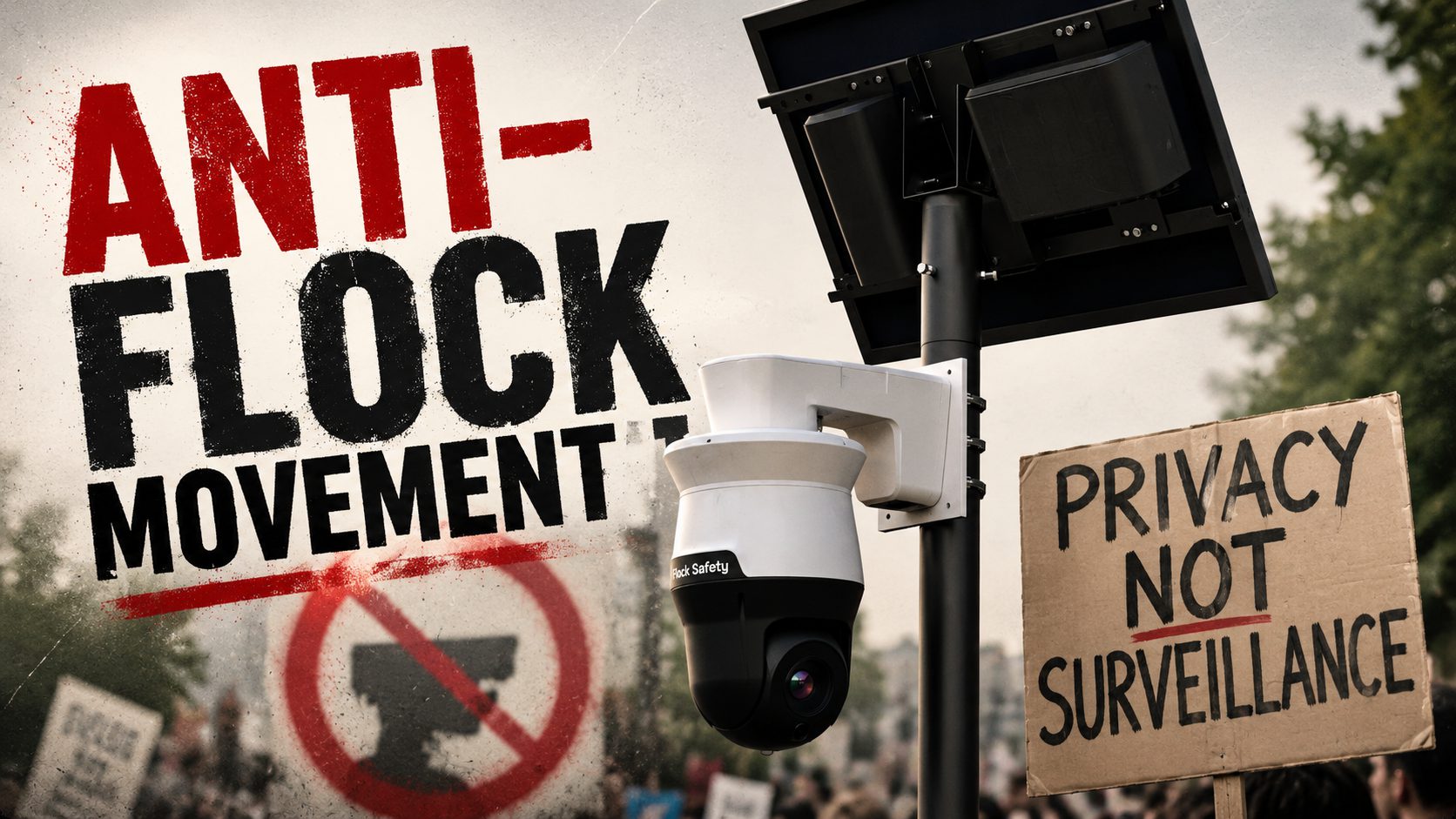
Where Flock cameras read your plate, SignalTrace maps what’s riding inside. Leonardo markets the system as a signal-intelligence layer for existing ALPR infrastructure. It collects electronic communication patterns from consumer devices and builds what the company calls an “electronic fingerprint” — a profile of devices that routinely travel together, according to Leonardo’s own product description.
The confirmed capabilities break down like this:
- Phones, smartwatches, fitness trackers, RFID tags, and even tire-pressure sensors are among the signals the system can detect
- SignalTrace links device clusters to vehicle movement records, creating layered identity profiles
- Data may be archived for future queries — unlike some Flock systems that claim to delete records after a set window
- Critics argue this could map recurring trips to gun stores, ranges, or FFL dealers, though Leonardo does not explicitly advertise this use case
That data-retention detail matters. It’s one thing to photograph a plate. It’s another to build a persistent digital shadow of everyone riding inside the car.
Why Gun Owners Are Paying Attention
The logic connecting device fingerprints to firearms privacy isn’t a stretch — it’s arithmetic.
Picture a routine drive to your local gun shop — your phone pinging towers, your smartwatch broadcasting, your vehicle record accumulating another data point. If your device fingerprint gets tied to that vehicle record, repeated trips to the same gun store start looking like a pattern — one you never consented to share. Privacy advocates, including American Rifleman, describe the technology as a mass-surveillance expansion that identifies occupants indirectly, without a warrant. Some firearm-industry commentators are reportedly pointing customers toward Faraday pouches and signal-blocking accessories. It’s essentially buying a burner phone, but for your smartwatch.
Think of it as the Strava heat-map problem applied to your constitutional rights. Aggregate enough movement data, and anonymity evaporates.
The NRA’s alarm is real. SignalTrace’s capabilities are confirmed by Leonardo’s own materials. Whether gun owners organize around this the way communities pushed back against Flock remains an open question. The core issue isn’t whether the technology exists — it’s who controls how long your electronic fingerprint stays on file, and whether you ever find out it was collected in the first place.