Government intelligence bulletins are tracking social media accounts that oppose Flock Safety’s license plate cameras — and the documents blur the line between civic activism and criminal sabotage.
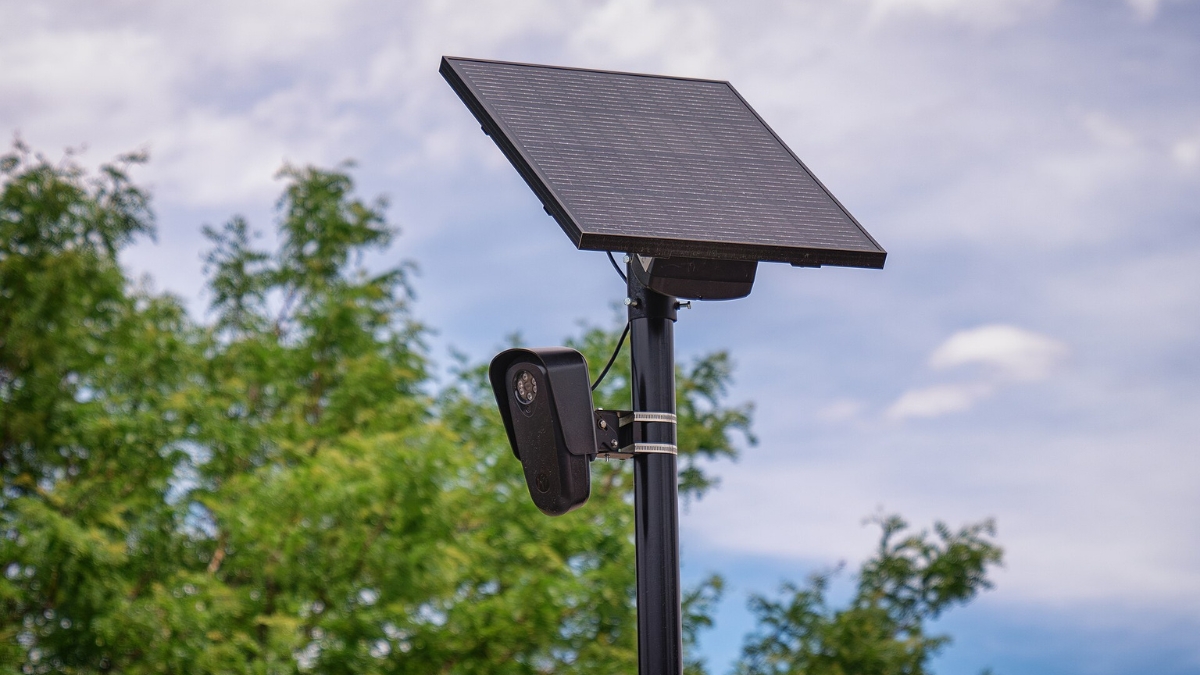
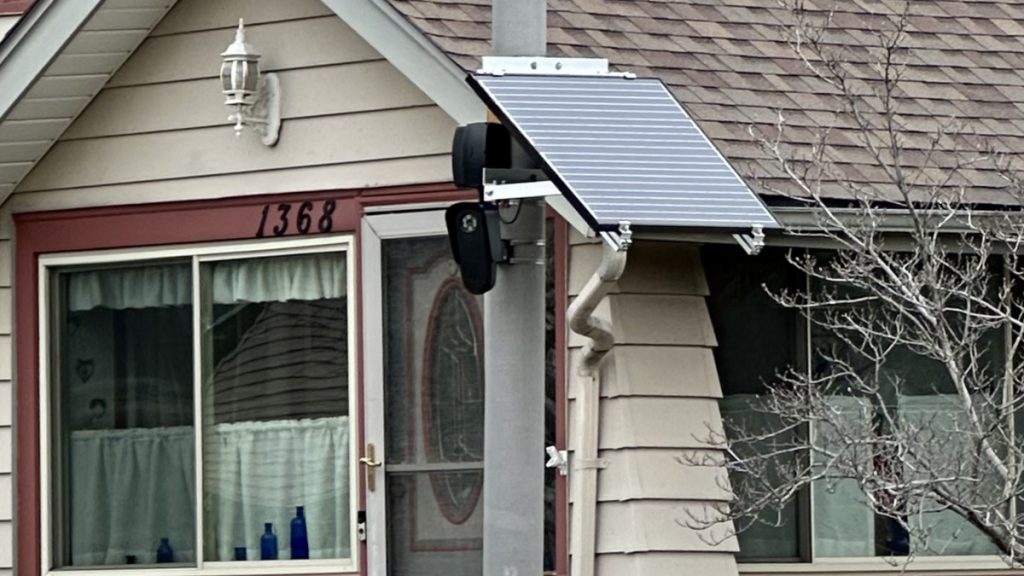
That’s the uncomfortable reality documented by 404 Media, which obtained fusion center reports showing law enforcement agencies monitoring social media accounts critical of Flock Safety’s automatic license plate readers (ALPRs) — the networked cameras that photograph and log every license plate they see. The bulletins name specific accounts, flag a “National Week of Action Against Automated License Plate Readers,” and tell police to increase patrols around camera sites.
What the Bulletins Actually Say
The documented intelligence is specific, naming accounts, platforms, and a traffic stop that yielded hardware authorities say could map camera locations.
Per 404 Media, the facts on record are blunt:
- Colorado’s bulletin linked the DeFlock app — a crowdsourced map of ALPR locations — to vandalism and destruction of cameras across multiple states
- The Wisconsin Statewide Intelligence Center and Northeast Florida Fusion Center warned of “extensive and ongoing chatter” on TikTok and Facebook about disabling Flock cameras
- Instagram account Nomark.Project was identified by name in official law enforcement documents for posting daily videos disabling cameras “until they’re all gone”
- A June 25, 2026 traffic stop at the University of South Florida yielded a device reportedly capable of scanning for Flock Safety’s license plate camera locations; the driver was allegedly tied to DeFlock
- Per The Guardian, at least 33 vandalism incidents across 23 states were connected to explicit anti-surveillance protest messaging
When a Civic Map Becomes a Law Enforcement Document
DeFlock’s creator says the project has never advocated sabotage — but that distinction isn’t clearly reflected in how the bulletins categorize it.
Will Freeman, DeFlock’s creator, told 404 Media the project “has never called for disabling cameras or covering license plates,” describing it as a grassroots mapping tool built for civic engagement and local political pressure. Freeman added that some accounts using the DeFlock name did so without his authorization. The project, he told 404 Media, helped contribute to more than 100 canceled Flock contracts through public engagement alone — a surveillance-accountability campaign operating entirely through legitimate civic channels.
Flock Safety told 404 Media that damaging public safety equipment is illegal, that it condemns the behavior, and that it has seen few vandalism reports while cooperating with law enforcement when damage occurs. The bulletins also briefly mention a neo-Nazi accelerationist group — but note that effort “lost traction,” with no indication cameras were actually targeted.
The Line Nobody’s Drawing
The real issue isn’t whether vandalism is wrong — it’s whether a civic mapping app and Instagram sabotage tutorials belong in the same threat document.
Real cameras are being destroyed. Thirty-three incidents across 23 states is documented, not alleged, according to The Guardian. Tracking that is a reasonable law enforcement function. The concern is that the same documents fold a crowdsourced civic map, TikTok commentary, and hardware-assisted sabotage into one undifferentiated threat category — without drawing any clear distinction between lawful opposition and criminal damage.
Conflation of this kind rarely stays contained. If opposing a camera network puts your Instagram account in a fusion center bulletin, the question worth sitting with is straightforward: which surveillance-accountability movements aren’t next?