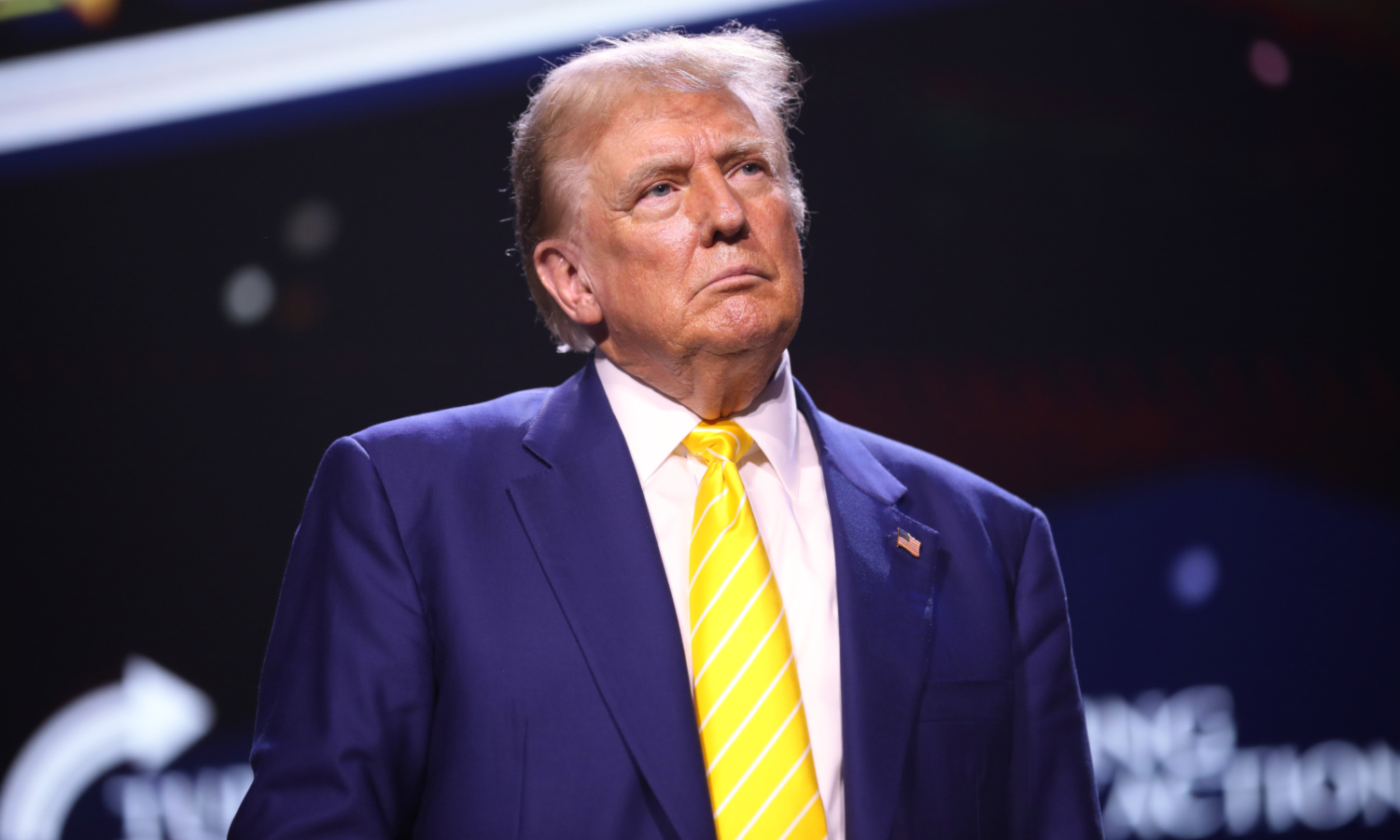
President Trump posted what he said was Sen. Tom Cotton’s personal cellphone number on Truth Social, urging Arkansas residents to call him directly over his opposition to permanent daylight saving time.
Somewhere in Arkansas, a stranger picks up a phone and dials a number a president posted on social media. The senator that number allegedly belongs to never asked for this.
President Trump took to Truth Social to pressure Sen. Tom Cotton, an Arkansas Republican, into supporting the Sunshine Protection Act, sharing what he said was Cotton’s cellphone number and urging constituents to call him directly. The House passed the bill 308–117 in July 2026. The Senate has not moved it.
A Familiar Playbook, A New Target
The tactic is the story: a sitting president routing constituent pressure at a Republican colleague over a timekeeping bill.
Trump’s post identified a number as Cotton’s personal cellphone. The New York Times reported that two officials confirmed the number belonged to Cotton, while USA Today characterized ownership as unconfirmed. Calls to the number reportedly reached an automated voicemail, with at least one report indicating the voicemail box was full. The evidence supports one description: a number Trump said belonged to Cotton.
This is not the first time Trump has run this play. During the 2016 Republican primary, he read Sen. Lindsey Graham’s phone number aloud at a rally and later acknowledged it was inappropriate. A pattern is worth scrutinizing in a way a one-off is not.
The move drew criticism from inside Trump’s own party. Sen. John Kennedy told Politico the tactic was unlikely to persuade Cotton and that the issue lacked “existential significance for the future of Western civilization.” Kennedy also noted that Trump could shift from ally to aggressive pressure campaign with notable speed.
Critics accused Trump of doxxing Cotton, though available reporting does not establish whether the number was private, previously public, or whether any law was violated. Publishing a colleague’s alleged personal number to direct constituent calls at him is a pressure tool that should make any senator, on any issue, uncomfortable.
The Actual Policy Fight Is Legitimate
Strip away the phone number and the underlying debate deserves a fair hearing.
The Sunshine Protection Act would end the twice-yearly clock change and make daylight saving time the permanent national standard, with exemptions for areas currently outside the DST system. Supporters argue it eliminates a disruptive, costly ritual and extends evening daylight into useful hours.
The PGA Tour has endorsed the proposal. In a letter shared by Trump, PGA Tour CEO Brian Rolapp estimated that an additional hour of evening light could generate 23 million more rounds of golf annually. That figure comes from the PGA Tour, not independent analysis.
Cotton’s objection is grounded in documented history, not obstruction for its own sake. As he wrote publicly, according to CNN: “No one likes changing the clock, me included, but Congress has enacted permanent Daylight Savings Time multiple times before and repealed it each time once Americans experienced absurdly late sunrises in the winter.” The United States adopted year-round DST in 1974. It lasted less than two years. Public backlash forced Congress to reverse course, with late winter sunrises and children traveling to school in darkness cited as central concerns.
Sleep and health researchers have broadly argued that permanent standard time better aligns with human circadian rhythms than permanent DST, though no verified expert statement was available in the reporting used for this article. The bill remains in the Senate Commerce, Science and Transportation Committee. Senate Majority Leader John Thune has questioned whether it has the 60 votes needed to clear a procedural hurdle.
The Senate Still Has to Answer
Cotton kept his response focused entirely on policy and did not address the phone number itself.
His closing line, reported by CNN: “I’ll always put Arkansas first.” The Senate still has to decide whether to take up the legislation and whether this kind of pressure accelerates that process or hardens the resistance around it.