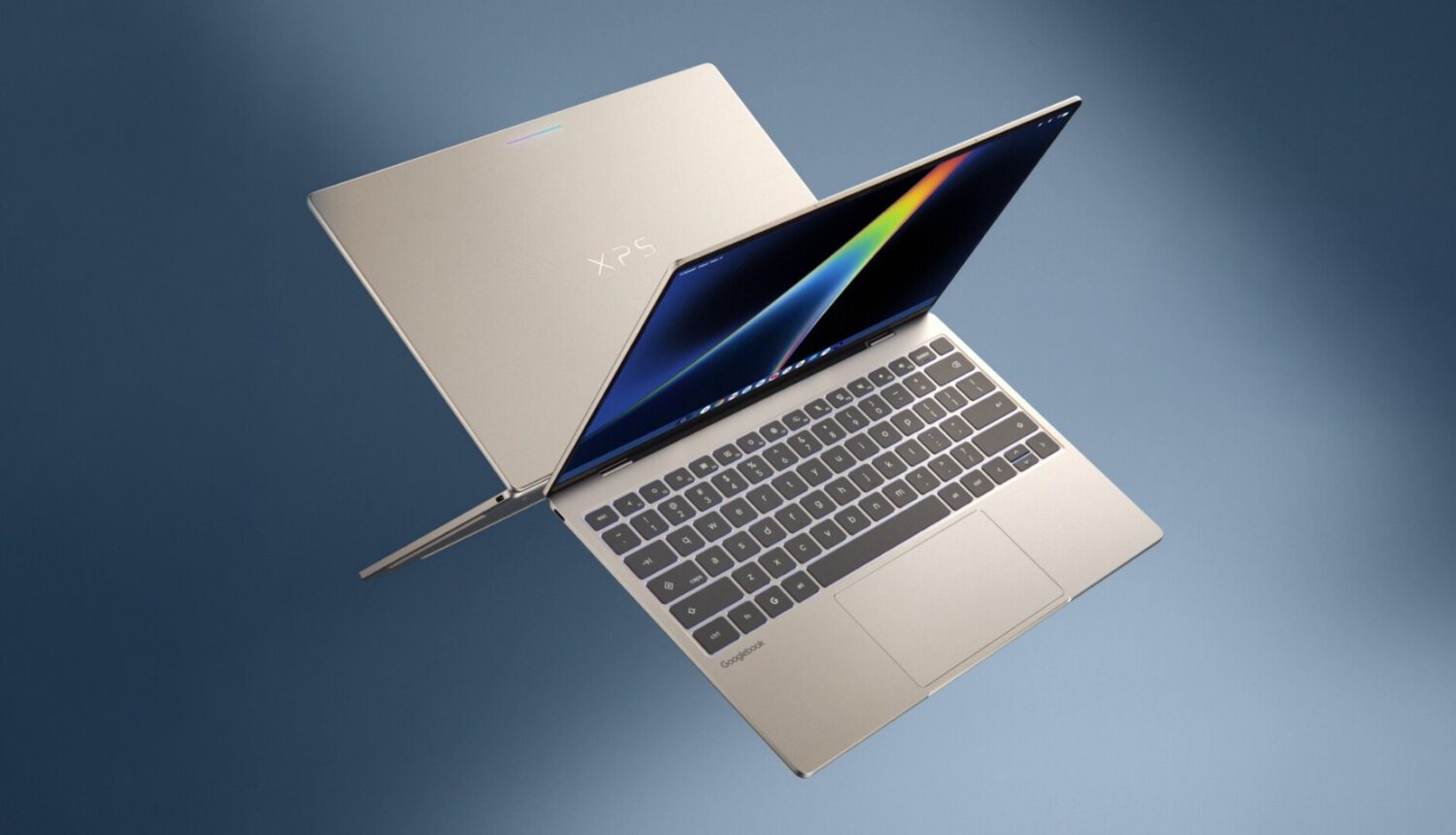
Acer’s Googlebook opens at $899, and Android Authority reports that HP and Lenovo have made similar adjustments. Dell’s cut brings the XPS model into more competitive territory within a category that is still establishing itself.
What $999.99 Actually Buys You
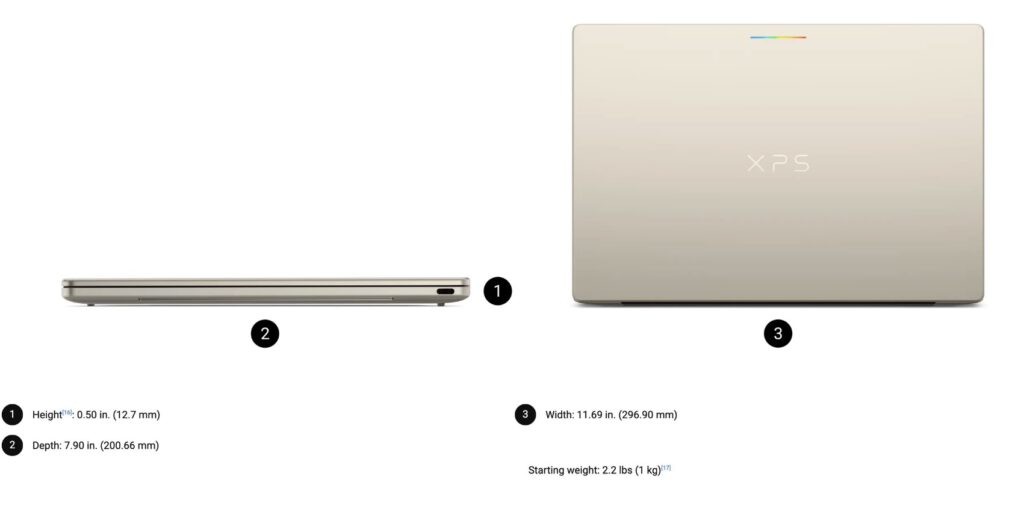
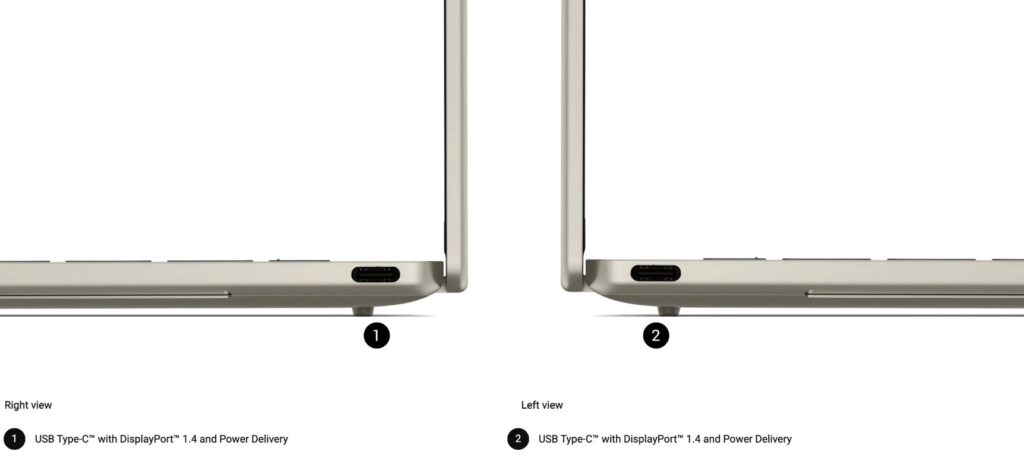
The base model pairs a Qualcomm Snapdragon X Elite chip with 16 GB of LPDDR5X RAM and a 512 GB SSD. Its 13.4-inch 2.5K InfinityEdge touchscreen covers 100 percent of the DCI-P3 color space, reaches up to 500 nits of brightness, and adjusts between 30 Hz and 120 Hz based on what is on screen. The machined-aluminum chassis weighs 2.2 pounds and measures roughly 12.7 mm thick.
The 32 GB Configuration Is Where the Math Gets Uncomfortable
The 32 GB configuration is priced at $1,599, and adding 1 TB of storage brings that to $1,799. That $600 premium over the base model makes sense for users who regularly juggle demanding multitasking loads, but for web browsing, office applications, and streaming, the 16 GB configuration should handle those tasks without issue. For most buyers, this is a gap that is difficult to justify , and a textbook example of paying too much for everyday workloads.
Battery and Software: Read the Fine Print
Dell claims up to 16 hours of Netflix playback under its own internal test conditions: 150-nit display brightness and Wi-Fi enabled. That figure has not been independently verified. The laptop runs Googlebook OS with Gemini Intelligence, as Dell positions it, and anyone moving from Windows or macOS should confirm that essential applications are compatible before purchasing , or risk running into unexpected computer problems after the fact.
The Decision Is Simpler Than It Looks
The base configuration delivers a Snapdragon X Elite chip, a 2.5K variable-refresh display, and a sub-2.3-pound aluminum chassis at a price now $100 above Acer’s $899 entry point. Unless sustained heavy multitasking is a genuine daily requirement, the $1,599 tier is a premium that most use cases will not warrant.