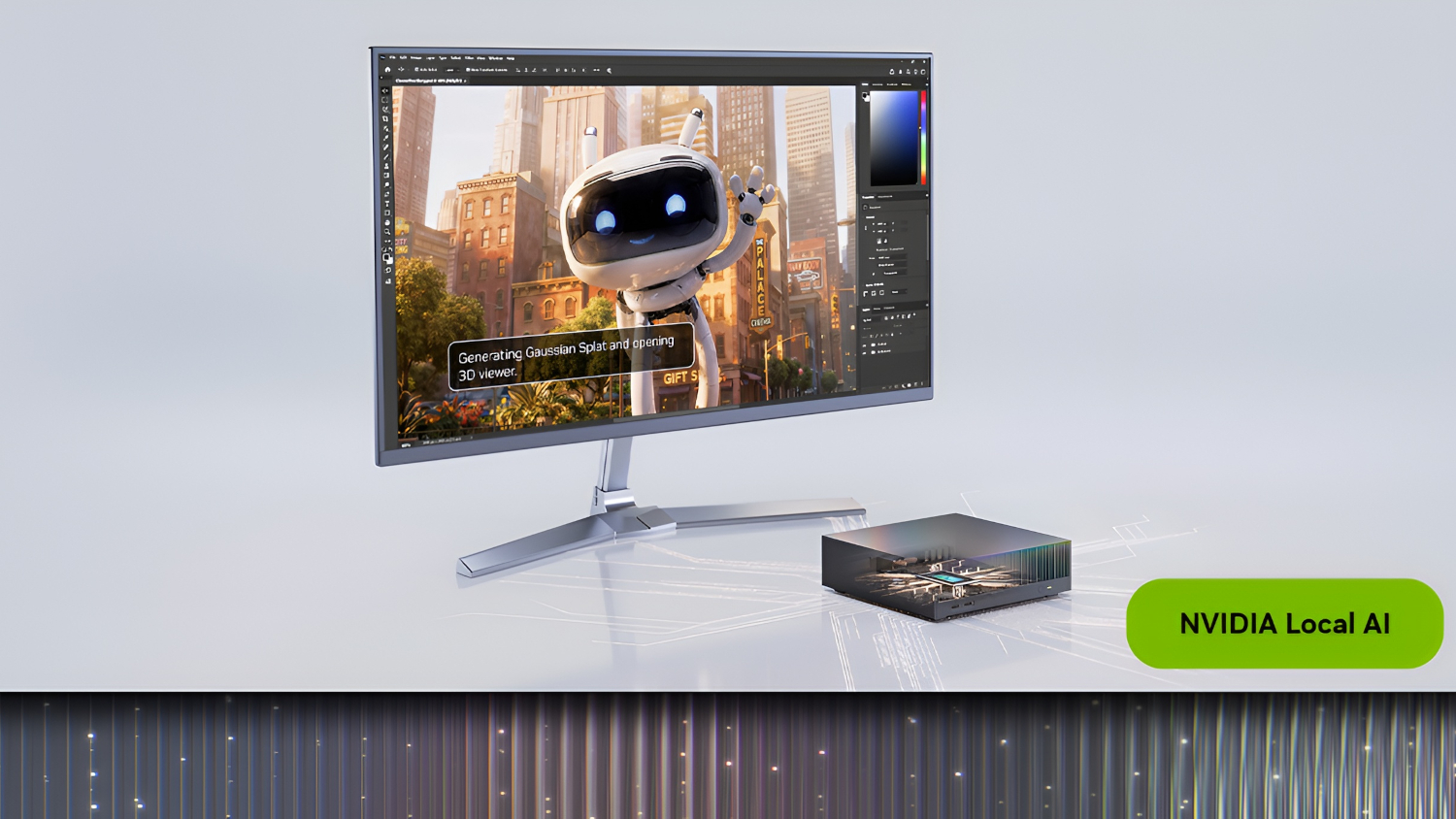
Nvidia’s RTX Spark platform has moved from laptops into compact desktop form factors, with the first systems from Asus, Dell, and MSI available now.
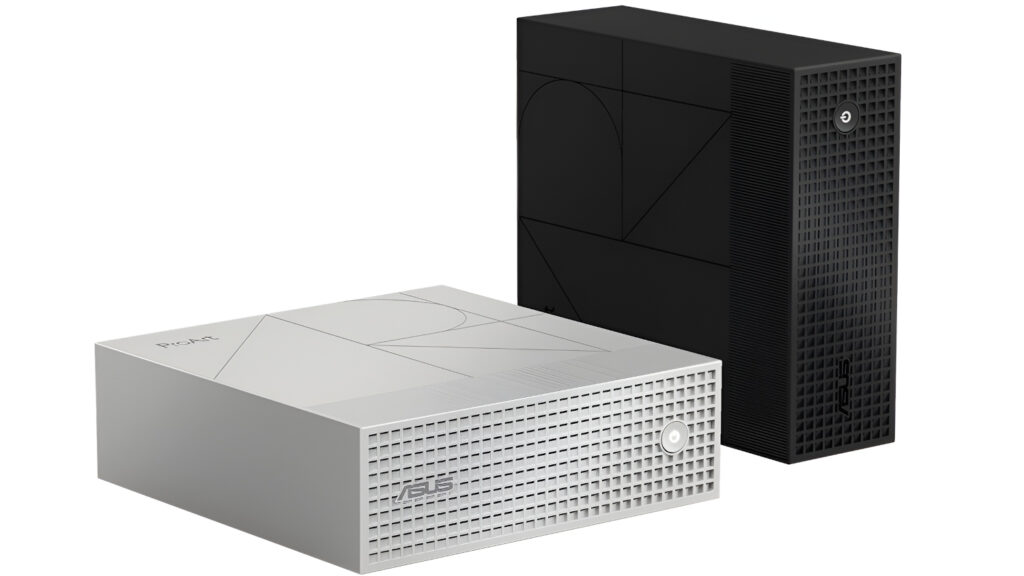
The machines are built around Nvidia’s N1X superchip, which combines a 6,144-core Blackwell RTX GPU with a 20-core Grace CPU. Desktop configurations support up to 128GB of unified LPDDR5X memory. The Asus ProArt GR1X delivers memory bandwidth of up to 300GB/s.
The TDP Tells You What You Need to Know
At 140 watts, the desktop chip runs substantially hotter than the laptop variants it shares a platform with.
Laptop variants of the RTX Spark platform run between 45 and 80 watts, roughly 40 to 75 percent below the desktop ceiling. The desktop version runs at 140 watts, reflecting the thermal headroom that compact desktop enclosures provide for sustained performance.
Nvidia rates the platform at up to 1 petaflop of AI performance. That figure is a peak AI metric, not a universal measure of application speed or inference throughput.
$4,499 Signals the Intended Buyer
$4,499 is the entry point for the Asus ProArt GR1X, which ships with 64GB of memory and 1TB of storage.
That price puts these systems firmly in compact workstation territory, not family computing. Nvidia draws the competitive comparison to Apple’s Mac mini and Mac Studio, targeting users who need CUDA, RTX acceleration, and Windows rather than Apple silicon.
What Nvidia Says These Machines Are Built For
The platform targets specific professional and development workloads, not general-purpose computing.
According to Nvidia, RTX Spark desktops are designed for:
- Local AI agents and always-on inference with reduced reliance on cloud services
- Image and video generation
- Model fine-tuning
- RTX-accelerated creative applications including Adobe Premiere Pro, Photoshop, and Blender
- CUDA-dependent development workflows
CUDA Is the Real Differentiator
Developers already working within Nvidia’s software ecosystem get the clearest, most immediate benefit.
CUDA compatibility sets these systems apart from ARM-based compact PCs in ways that raw specifications alone do not capture. On compatible Windows configurations, WSL can provide access to Linux development tools without leaving the Windows desktop environment. That matters for teams running mixed workflows.
More Hardware Is Coming
Acer, Gigabyte, and HP have additional RTX Spark desktop systems forthcoming, expanding the platform beyond its initial three manufacturers.
Microsoft’s Surface RTX Spark Dev Box is also expected to begin shipping. Official pricing and final specifications for those upcoming systems have not been confirmed.
A Clear Identity, a Narrow Market
Unified memory and CUDA give RTX Spark desktops a well-defined purpose, but that purpose comes at a price that limits the addressable audience.
CUDA support and up to 128GB of unified memory give these machines a sharper identity than most compact PCs can claim. Buyers should verify whether memory is upgradeable on the specific model they are considering, since unified memory pools are not always user-replaceable. The $4,499 starting price ensures these systems serve a specific, narrow audience: developers, creators, and teams whose primary workloads are built around Nvidia’s software stack and require local inference rather than cloud dependency.