The number is almost perfectly designed to resist follow-up questions. Six hundred and five percent. Specific enough to sound measured, round enough to feel manufactured, and entirely untethered from any disclosed methodology , a pattern not unlike the covert surveillance app built by US operatives with no public accountability.
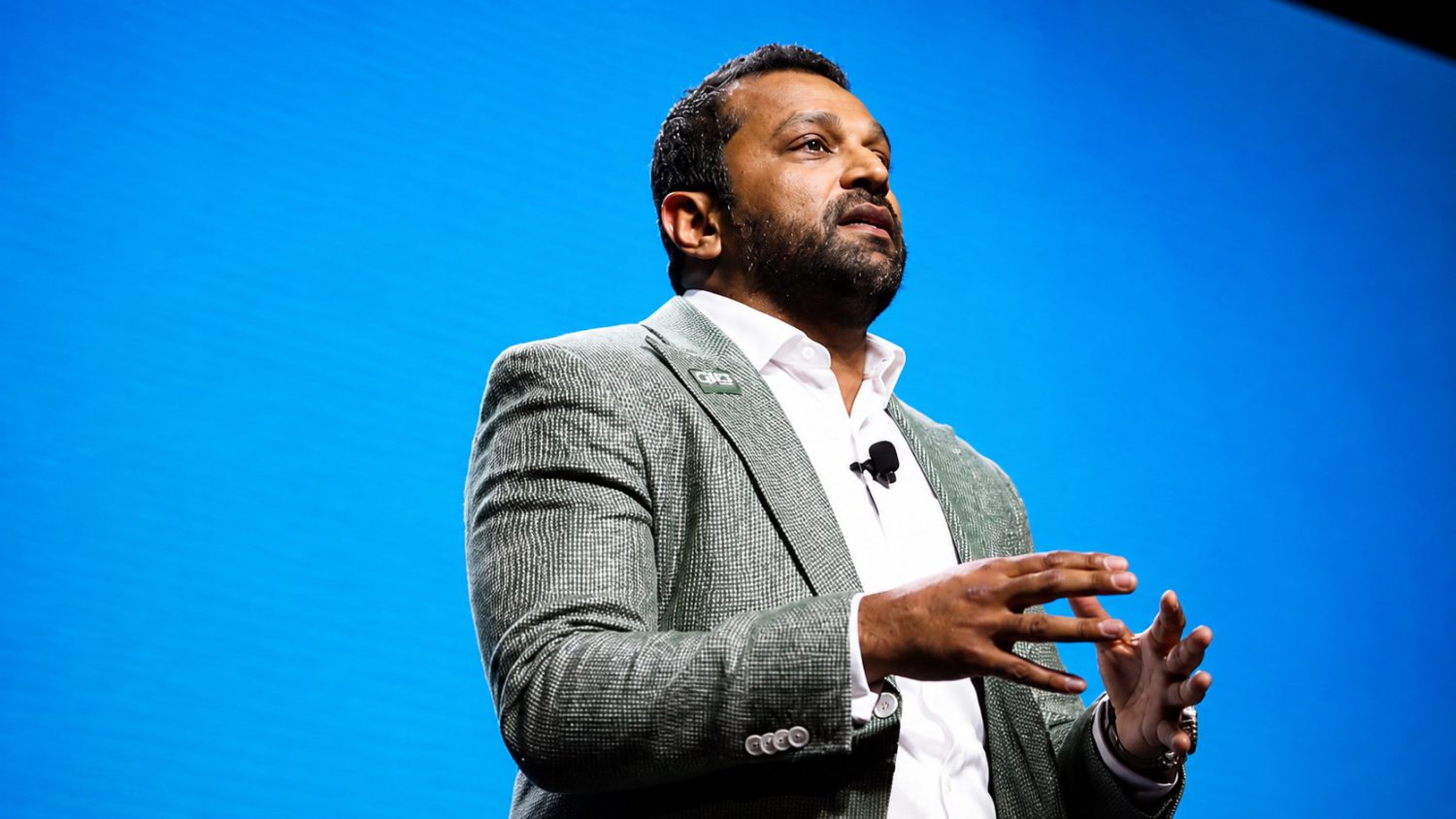
FBI Director Kash Patel has repeated it in a Fox News interview, a Senate prepared statement, and public remarks on crime statistics. Each time, nobody has explained what it actually counts.
A Director’s Claimed Record
Big numbers, specific outcomes, and no denominator in sight.
In a Fox News “Saturday in America” appearance, Patel said he has “increased the use of AI in the FBI by 605 percent” since taking the position, calling it the largest technology increase in the bureau’s history. His Senate testimony used nearly identical language: the FBI “expanded our use of artificial intelligence by 605 percent to accelerate threat detection, triage, analysis, and processing.”
The operational claims attached to that figure are vivid. Patel says AI helped prevent a school shooting in North Carolina and foiled plots in roughly six other states.
Those are his claims, not independently verified outcomes.
The Verified Numbers Are Striking Enough
The FBI’s AI footprint is growing fast. The documentation is struggling to keep up.
The DOJ’s 2025 AI Use Case Inventory lists 50 FBI AI systems, up from 19 in 2024, according to MeriTalk. Nine are classified as “high-impact,” embedded in biometric identification, facial recognition, large-scale suspect-narrowing analysis, and automated lead prioritization.
At the DODIIS Worldwide Conference, FBI Chief AI Officer Katie Noyes put the real number at 139 approved AI use cases currently running. That figure is nearly triple what the published inventory reflects.
Separately, the FBI issued RFP No. 15F06726R0000307 for up to $88 million in enterprise GPU servers. Claude, Gemini, and ChatGPT are all available to federal agencies through GSA-approved contracts, and Patel has told lawmakers he can call the CEOs of every major AI company directly.
The real numbers are striking. They did not need the 605%.
A Metric That Works Like Corporate Earnings Guidance
When the number serves the narrative better than the facts do.
Think of the 605% figure the way you would a vague earnings metric from a company signaling momentum without committing to a baseline. It sounds precise. It resists audit. Multiple reports explicitly note the methodology has not been disclosed, and you are looking at an agency that has used this number in Senate testimony without a single follow-up figure to anchor it.
Patel has also used the phrasing “600% increase in AI alone invested into the bureau” in hearing transcripts, hinting at budget rather than system count. Without a starting number, it remains unverifiable.
The compliance record makes the opacity harder to excuse. The FBI reportedly missed an OMB deadline for high-impact AI risk management documentation while simultaneously running more systems than its published inventory reflected.
That is not a minor paperwork gap. It is an accountability infrastructure failing to keep pace with operational reality.
Transparency Is Not Optional
An agency running 139 AI systems owes the public more than a percentage.
When a law enforcement agency runs 139 AI systems, including facial recognition and mass data triage, and embeds itself with every major commercial AI vendor, a suspiciously round number with no disclosed methodology is not an adequate public metric. The expansion is real. The governance around it is not keeping up. That gap is exactly where oversight pressure needs to land , much like the scrutiny now facing a White House app caught tracking users every four minutes without disclosure.