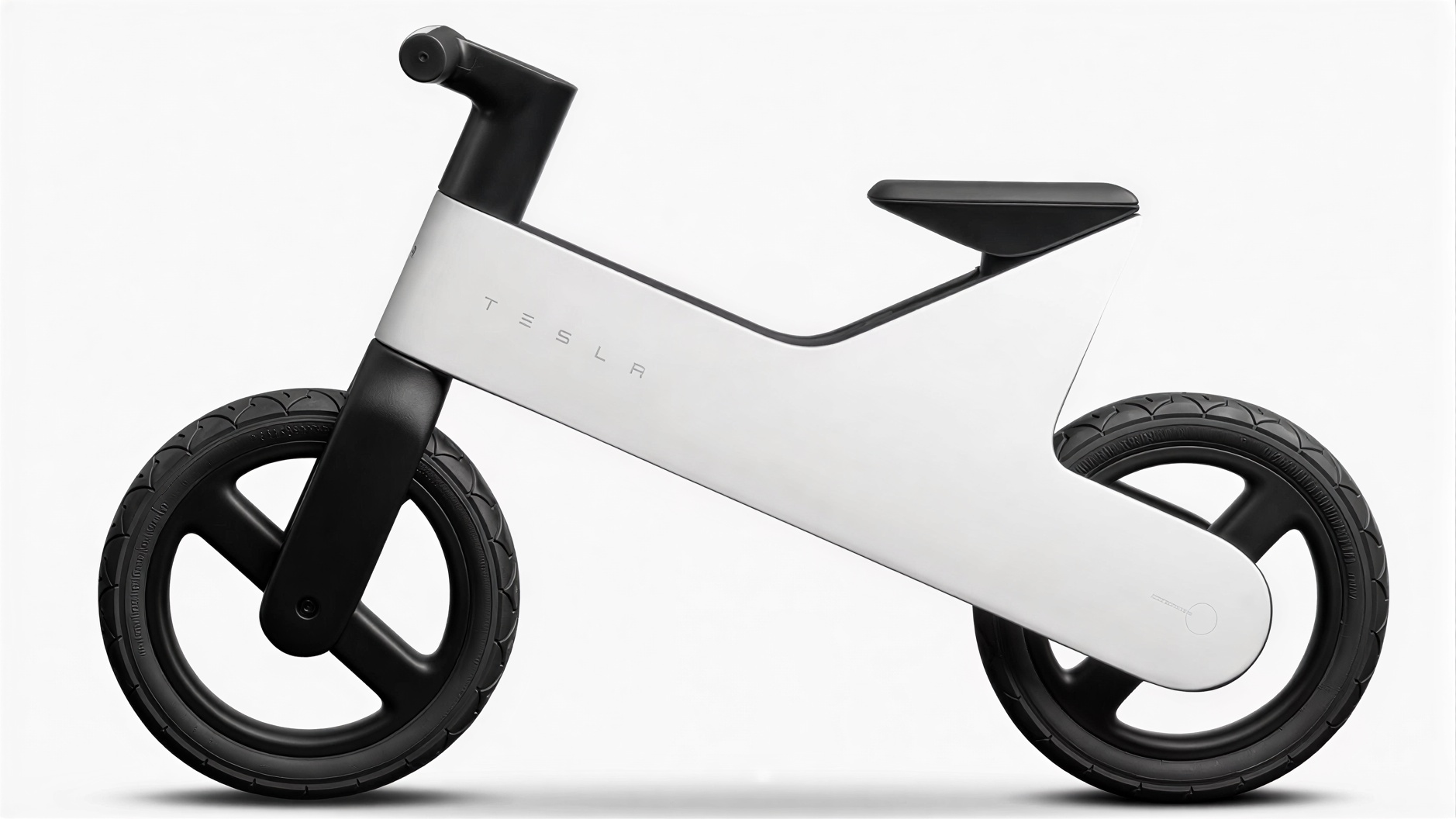
A company that promises full self-driving just launched a vehicle with zero propulsion technology. It has no motor, no battery, no pedals, and no brakes. The Tesla Balance Bike for Kids is a magnesium-framed two-wheeler powered entirely by toddler legs — the one energy source Elon Musk apparently can’t monetize with a software subscription. At $225, restricted exclusively to verified Tesla vehicle owners, it sold out within hours of its mid-July 2026 launch. Shipping begins late August 2026.
Scarcity Engine, Meet the Toddler Market
A bike with no drivetrain, no electronics, and a velvet rope at checkout.
Strip away the branding, and you get a straightforward balance bike for ages two to five. Five adjustable seat heights. A 13.7-inch minimum inseam requirement. A 77-pound rider weight cap. Assembly tools included in the box. That magnesium alloy frame is genuinely uncommon in kids’ bikes — lightweight, clean-looking, and built to survive being dragged across a driveway by someone still perfecting their fine motor skills. The purchase restriction, though, tells you everything about the real product on offer. You must sign into a Tesla account linked to a registered vehicle before the checkout button even appears. This isn’t parenting gear. It’s a collectible with a saddle.
- Price: $225 USD
- Frame: Lightweight magnesium alloy
- Ages: 2–5; minimum inseam 13.7 inches; max rider weight 77 lb
- Seat: Five adjustable height positions; assembly tools included
- Drive system: No motor, pedals, chain, battery, or brakes
- Access: Restricted to verified Tesla vehicle owners only
- Availability: Sold out at launch; initial shipping late August 2026
$225 Retail. $49,500 on eBay. You Do the Math.
Tesla’s merch playbook turns a toddler training bike into a speculative asset.
The resale market moved faster than any two-year-old on foot. eBay listings appeared almost immediately, ranging from roughly $1,200 to a jaw-dropping $49,500. Think limited-edition sneaker drop hysteria, but for a bike that has no brakes going downhill. The Boring Company’s $500 “Not-a-Flamethrower” — a glorified blowtorch — established this template years ago. Musk ventures sell scarcity and logo placement. The bike is simply the latest vessel.
Cycling publications, meanwhile, point to alternatives like the Hornit Airo at around £139 that perform the same fundamental job — sometimes with actual brakes included. No independent performance tests exist for the Tesla version yet. The magnesium frame is a legitimate material choice, but the honest value proposition here is the “T” logo stamped on the side, not some engineering breakthrough in toddler mobility.
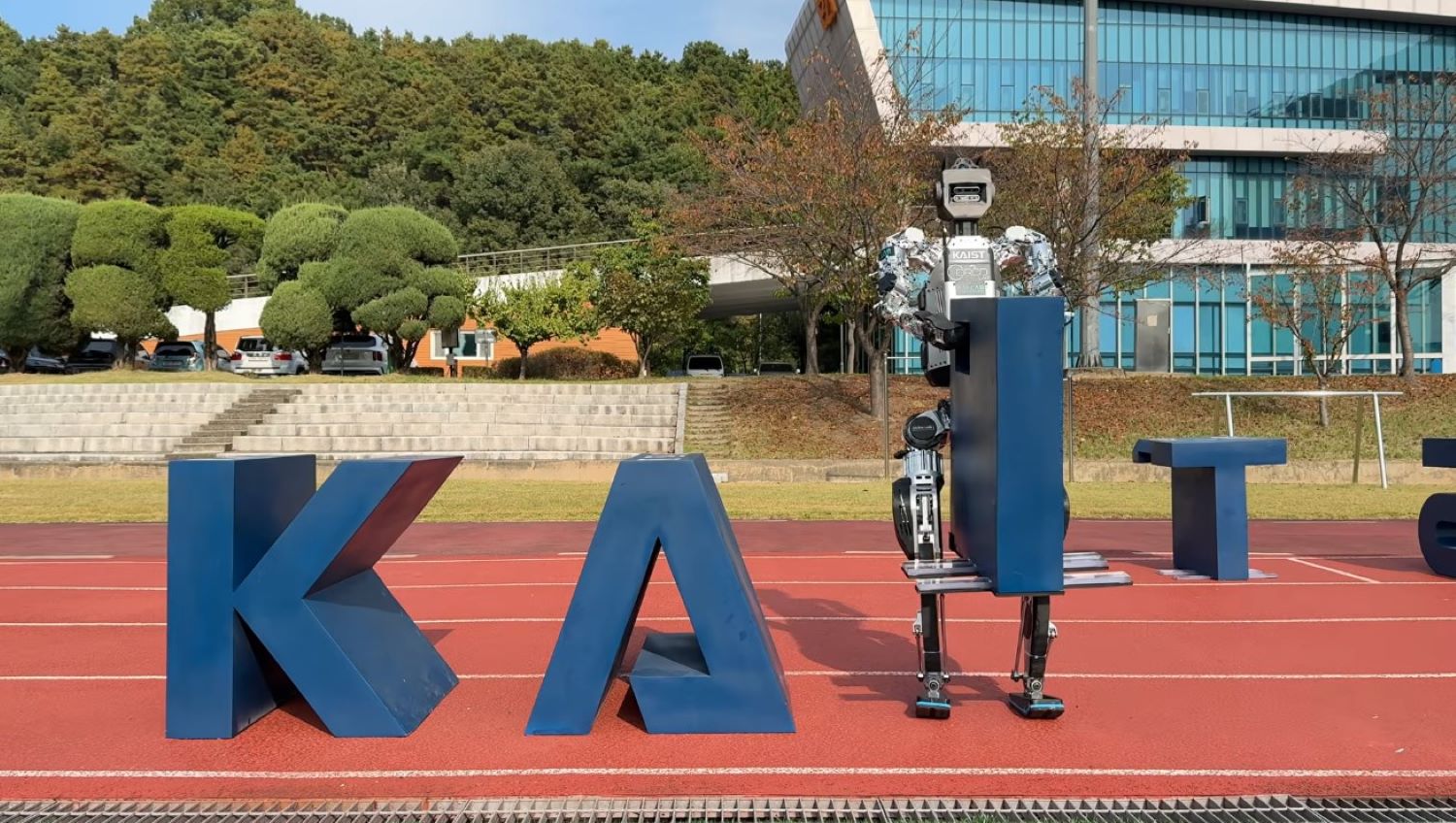
There’s a historical footnote worth savoring: Morris and Triumph both began as bicycle companies before becoming iconic automakers. Tesla is running that story in reverse — EVs first, then a non-electric kids’ bike. The Optimus robot, which famously lost its footing at a Miami event, might benefit from a few balance lessons of its own.
No Brakes Required
Not on the bike, and apparently not on the fandom either.
Tesla sold out a toddler bike by gating it behind ownership verification, wrapping a magnesium frame in minimalist branding, and letting the resale market handle the hype. Your three-year-old gets a balance trainer. The brand gets another proof point that fandom converts reliably to revenue — no motor necessary.