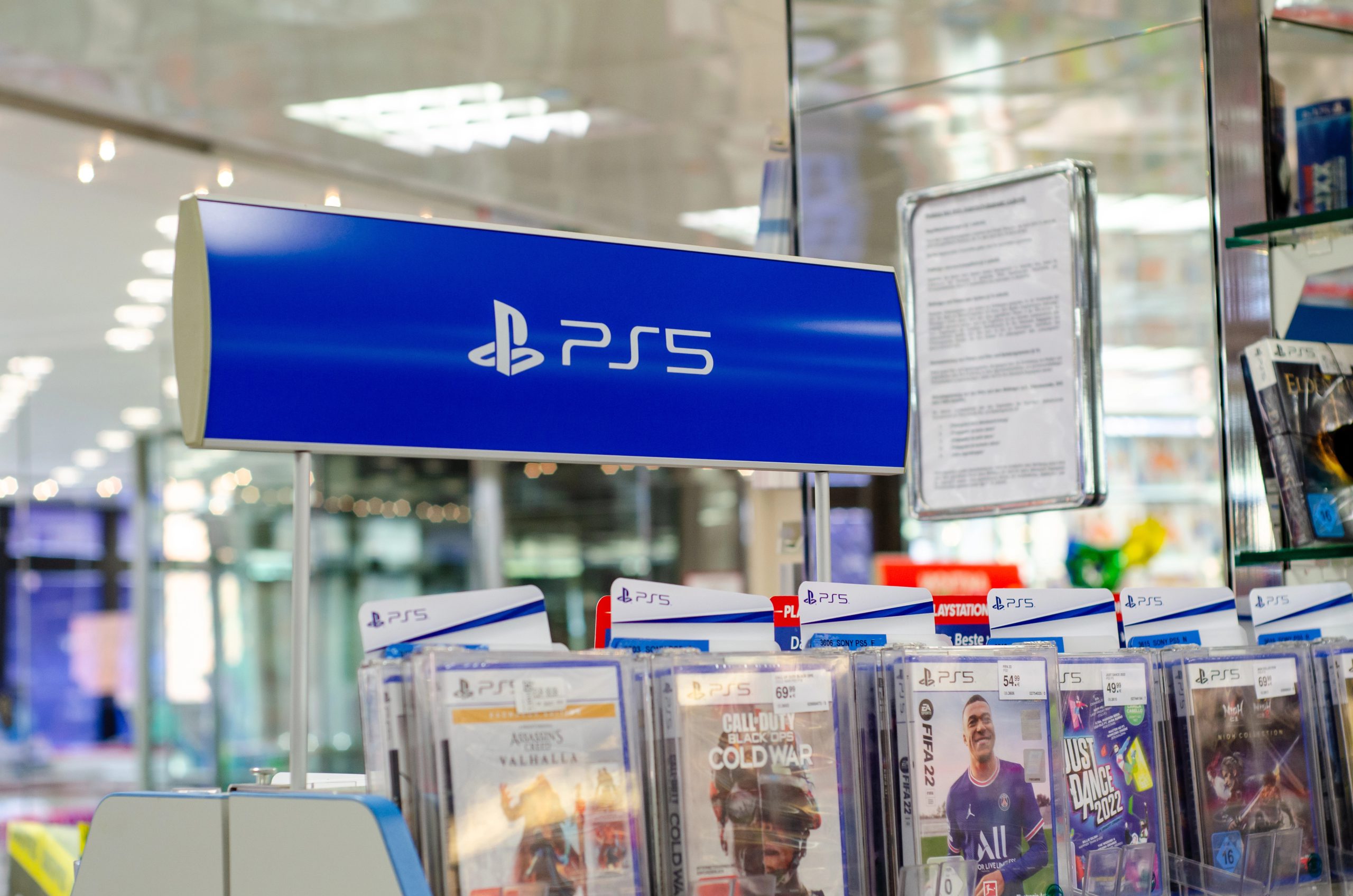
It’s 2028. A new PlayStation title drops, and your only option is to pay whatever Sony decides it’s worth. No used copy. No competing retailer undercutting the price. Just you, your wallet, and the PlayStation Store. That’s the scenario Dutch consumer group Stichting Massaschade & Consument is trying to prevent — and now Stop Killing Games and DoesItPlay? are backing their “Fair PlayStation” lawsuit, which organizers say could involve hundreds of millions of euros in damages.
The core claim is blunt: “Sony has a monopoly on digital game sales on PlayStation.” Every digital purchase routes through Sony’s own store. Sony sets the prices. Sony keeps the cut. No alternative storefront exists. Early proceedings in this Dutch collective-action case have reportedly focused on jurisdiction, standing, and applicable law — with potential damages reaching into the hundreds of millions of euros.
Here’s what you need to know at a glance:
- Stichting Massaschade & Consument filed the Fair PlayStation case; Stop Killing Games and DoesItPlay? are backing it
- Core allegation: Sony monopolizes PlayStation digital game sales through its closed storefront
- Sony confirmed physical disc production ends for all new titles from January 2028 onward; games already released on disc are unaffected, per the PlayStation Blog
- Potential damages reportedly reach into the hundreds of millions of euros
Preservation Meets Antitrust
Stop Killing Games has shifted its focus from saving shuttered games to challenging the pricing power behind them.
Stop Killing Games built its reputation fighting for games that get switched off — servers shut down, licenses expired, libraries gone. Backing a pricing lawsuit marks a notable shift: from “don’t delete our games” to “stop cornering the market.” DoesItPlay? is co-backing the campaign, and both groups are calling on Dutch gamers to add their support.
The Dutch action reportedly began in 2024. Sony’s 2028 disc announcement gave it a sharper edge. Once new releases go digital-only, the resale market — historically one of the few competitive pressures on PlayStation pricing that operates outside Sony’s control — is largely gone for those titles. Consider it like a streaming platform that also controls every broadband provider you’d need to reach a competitor. The appearance of choice doesn’t make it real.
Sony frames the disc phase-out as reflecting consumer preference and broader industry trends. That argument carries some weight right up until the last physical alternative disappears. Supporters of the lawsuit argue that without physical discs, there is no competitive pressure on PlayStation digital prices — meaning the only check on what Sony charges is Sony itself.
The clock started ticking the moment Sony confirmed 2028. If this lawsuit gains traction, every platform holder running a closed digital storefront has reason to pay attention. The deeper question it raises goes beyond Dutch consumer law: what does “owning” a digital game actually mean when one company controls every point of sale and every pricing decision?