Here’s the math that’s worth running. PS5 buyers paid $50 more for a console starting August 2025 because of Trump-era tariffs. The Supreme Court ruled those tariffs unconstitutional on February 20, 2026 — a 6–3 decision invalidating the legal authority the administration had claimed under the International Emergency Economic Powers Act. The US government then refunded Sony roughly $356 million. And Sony’s response to customers who’d like some of that back? Their complaint is “speculative and illogical.”
That’s the actual language from Sony’s motion to dismiss a consolidated class-action lawsuit, Walker et al. v. Sony Interactive Entertainment LLC, filed May 6, 2026 in the Northern District of California.
“Paid Twice for the Same Problem”
The numbers behind this dispute are straightforward — it’s the corporate logic that takes some unpacking.
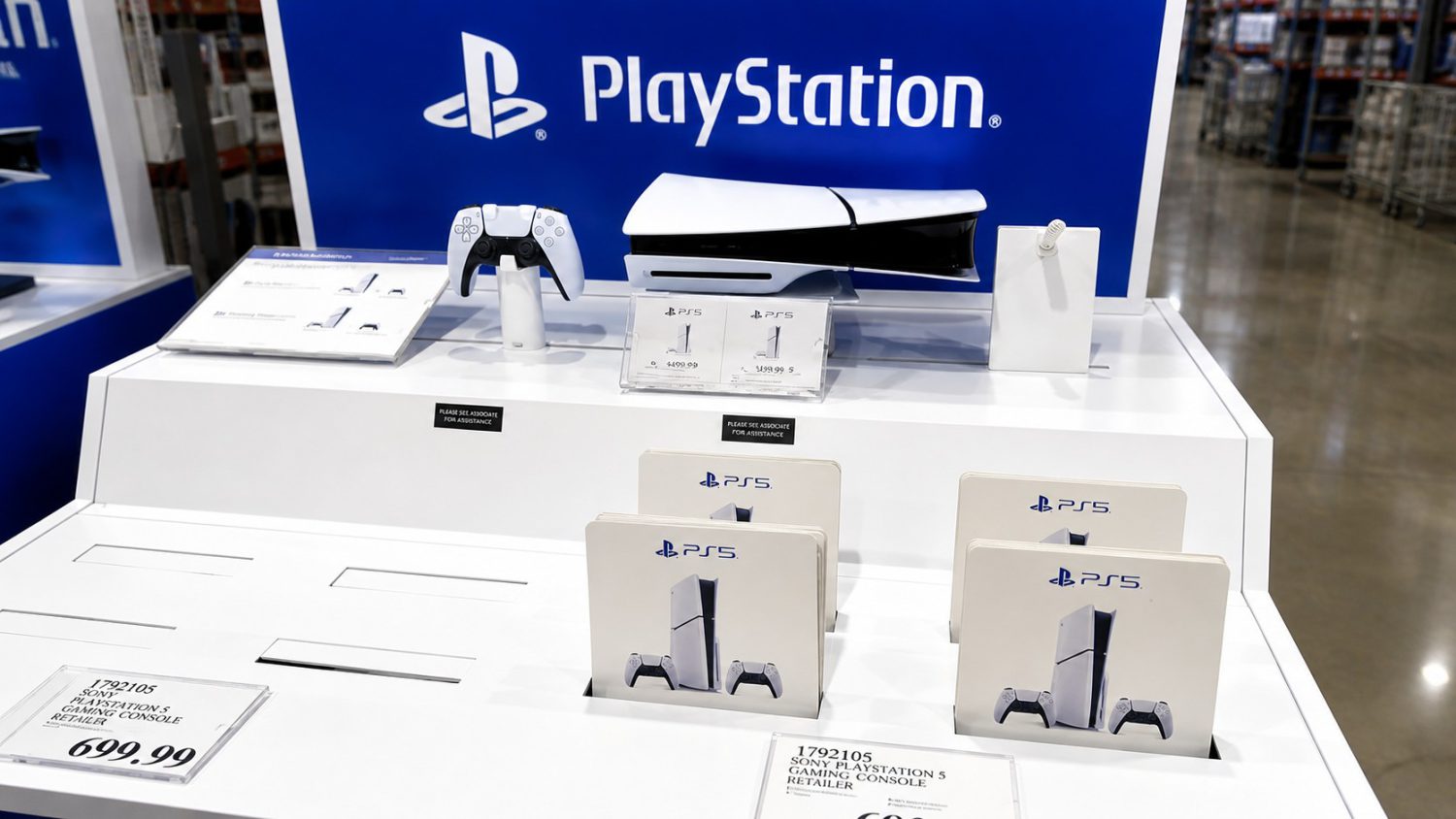
Sony raised PS5 prices by approximately $50 in August 2025, explicitly citing tariffs, pushing:
- the base console to $550
- the Pro to $750
Sony expects approximately $508 million (80 billion yen) in total refunds, with around $356 million already recovered between April and June 2026. CFO Lin Tao confirmed that “most” of that flows to PlayStation — recorded as operating income, not a consumer rebate pool. Prices then rose again after the Supreme Court’s ruling, a timeline Sony’s lawyers now cite as evidence that tariffs weren’t the main cost driver in the first place.
Plaintiffs Amorey Walker and Bryce Foster-Quarles put it plainly in their filing: Sony will be “paid twice for the same unlawful tariff burden — once by its customers through elevated prices and once by the U.S. government through tariff refunds.” Sony’s rebuttal, per its motion to dismiss as reported by Game File, is that “paying fair market price for voluntarily purchased consumer goods is not a legally cognizable injury in fact.” The company frames PS5 pricing as a product of “a diverse and dynamic set of input costs” — inflation, currency fluctuations, logistics, competitive dynamics — with tariffs as just one variable among many.
Sony isn’t alone in this position. Microsoft filed nearly identical language in a parallel Xbox lawsuit: “There is nothing unjust about Plaintiff purchasing an Xbox at an advertised price and getting exactly what he paid for — regardless of whatever theory he devised months later about Microsoft’s cost structure,” according to Microsoft’s August 2026 legal filing, per Game File. Major console makers appear to share a unified legal strategy: advertised price plus delivered product equals a completed, fair transaction — full stop.
The contrast with smaller players is sharp. Panic, maker of the indie Playdate handheld, publicly committed to passing tariff refunds back to its customers. An $80 billion conglomerate and a scrappy indie outfit looked at the same situation and reached very different conclusions about what fairness requires.
If courts dismiss these suits, the precedent is worth noting: companies could raise prices citing government policy, recover government refunds when that policy is overturned, and face no legal obligation to the customers caught in between. Whether courts agree that consumers have a cognizable claim here may ultimately determine how hardware makers frame cost-driven price hikes — and how much accountability they owe when the justification disappears.