A land agent shows up at the door with a check and a map. The utility wants a strip across the back forty for high-voltage transmission lines feeding a new AI data center. The landowner says no. The agent smiles, thanks them, and leaves. Then the lawyers arrive.
How Utilities Force the Line Through
Saying no starts a legal process most landowners aren’t prepared for.
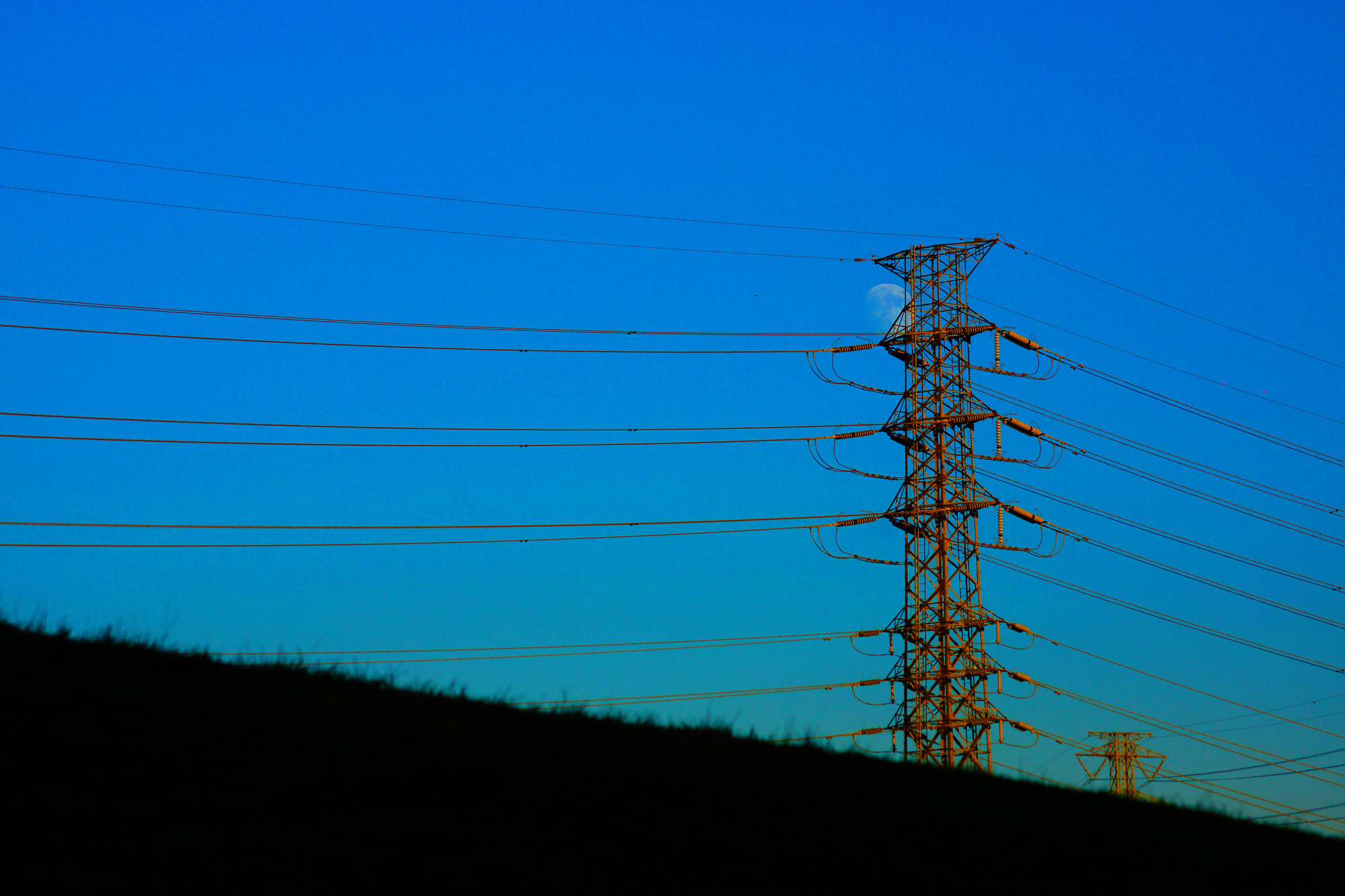
Utilities don’t want your whole property. They want a permanent easement — a defined corridor where they build towers, clear vegetation, and access your land around the clock. You keep the deed. They keep the power.
Refuse to sign, and regulated utilities in most states hold statutory eminent-domain authority. They file a condemnation lawsuit. The line still goes through.
The trigger is a Certificate of Public Convenience and Necessity from the state utility commission. Once granted, courts presume the project is necessary. States that grant condemnation authority include:
- Maine (lines above 5,000 volts, 35-A M.R.S. § 3136)
- New York
- Texas
- Minnesota
- Wisconsin
- Pennsylvania (official disclosures tell landowners they can refuse — then explain how the utility proceeds anyway)
One notable exception: Mississippi’s Supreme Court blocked a transmission line crossing the state because it delivered zero electricity to Mississippi customers. Public use requires local public benefit. Law scholar Aaron Walayat of the University of Dayton argues these projects occupy a grey zone — utilities claim grid reliability, but lines driven by a single private AI facility raise harder public-use questions.
What “Just Compensation” Actually Means
The money fight is often the only fight left once a route is certified.
Your compensation equals pre-easement fair market value minus post-easement value, plus severance damages for visual impact and restricted development. States such as Minnesota also reimburse legal and appraisal fees when landowners are forced into condemnation proceedings. Your independent appraisal matters — utilities’ opening offers are rarely their best.
Four Ways to Actually Fight Back
Stopping the line entirely is hard, but shifting the route or the payout is realistic.
- Challenge public use — argue the line mainly serves a private data center with little benefit to local ratepayers.
- Contest necessity — push for alternative routes or undergrounding.
- Dispute compensation with an independent appraisal; the gap between your number and theirs is often negotiable.
- Attack procedural failures in notice or environmental review, and intervene at commission hearings before certification locks the route.
The Kelo v. City of New London ruling in 2005 broadened “public use” to include economic development — a plot twist that opened the door to aggressive takings, sparked state-level backlash, but left utility infrastructure largely untouched. Missouri voters later recalled local officials who approved a $6 billion data center project, proving grassroots accountability carries real consequences.
Multiple state legislatures are now eyeing narrower public-use definitions for data-center-driven projects. Amazon, Microsoft, Meta, and xAI aren’t slowing down. If a land agent knocks, hire a property-rights attorney before signing anything.