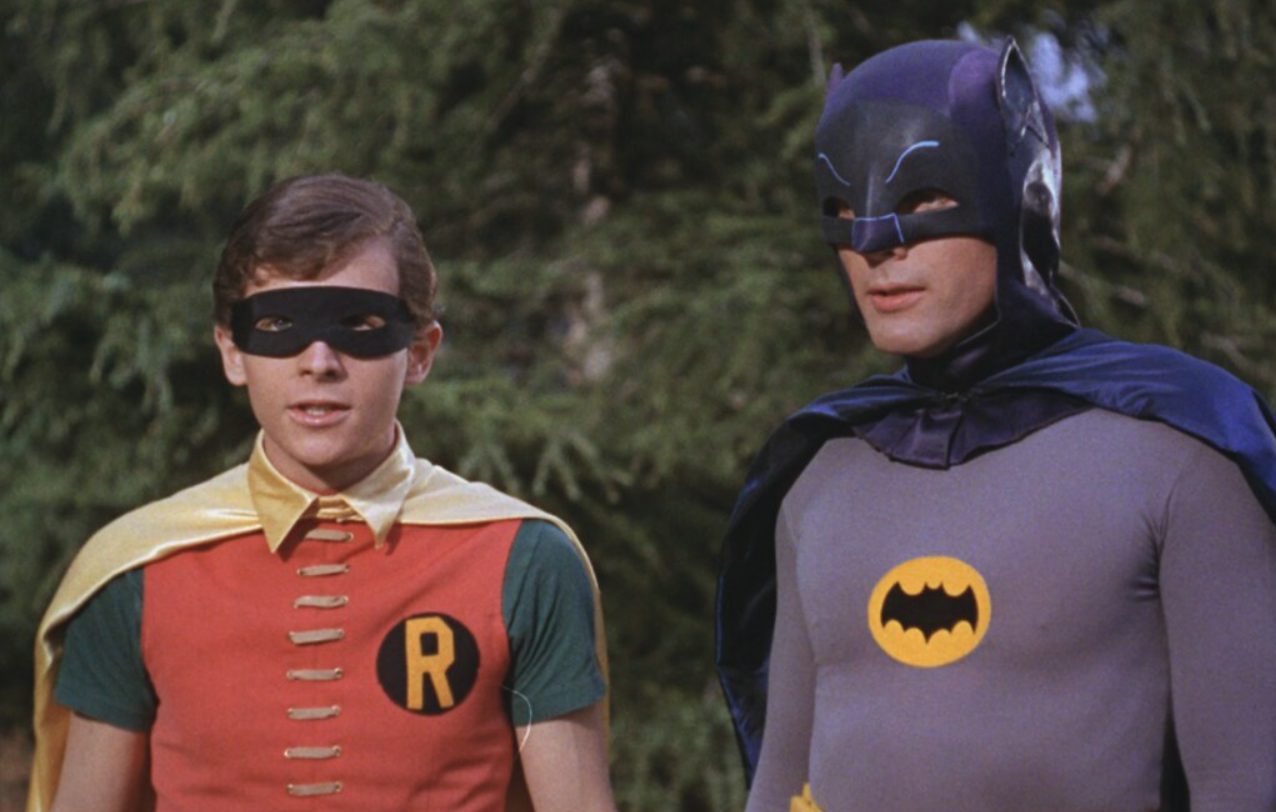
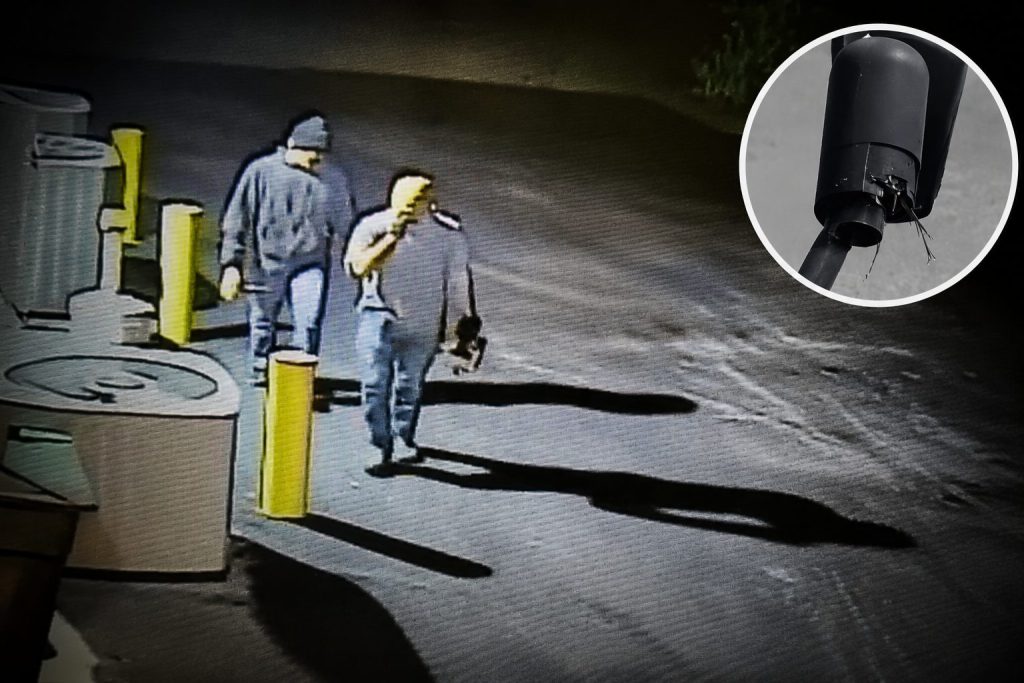
Hundreds of tips poured in after New Bern, North Carolina police asked the public to help identify two men who reportedly cut down a newly installed Flock Safety camera. The problem: residents named Batman and Robin, The Lone Ranger and Tonto, and enough fictional duos to fill a Comic-Con panel. Flock cameras are fixed automated license plate readers that photograph every passing plate and beam that data to the company’s centralized cloud servers. The mass trolling was funny. It was also a signal flare about how communities are starting to push back against surveillance technology rolling quietly into their neighborhoods.
What Flock Actually Does
A private company captures your plate data whether you’re a suspect or not.
Traditional speed cameras catch you doing something wrong. Flock catches everyone doing anything. Craven County, which includes New Bern, deployed cameras at commercial locations to flag vehicles tied to warrants and stolen cars, according to a NewsChannel 12 investigation. The Atlas of Surveillance database notes data is typically stored for 30 days. Every scan — guilty driver or routine grocery run — flows to servers controlled by a private company, not a government agency. A North Carolina judge already had to rule that Flock doesn’t qualify as an “alarm systems business,” a sign that regulation is still playing catch-up with the technology, according to WRAL.
A National Pattern Emerges
At least 25 Flock cameras have been destroyed across five states since April 2025.
“Every Flock camera in America is going to Flock servers and feeding all that data to one central location controlled by a private company,” Stanley said. That concern has gone physical. At least 25 cameras have been smashed, cut down, or dismantled across five states since April 2025, according to a sheriff’s office statement reported by WSBTV. Documented incidents include:
- In Michigan, suspects used cutting tools to sever camera posts.
- In Indiana, cameras were completely chopped down.
- One case featured spray-painted lenses and American flags planted where cameras once stood — part protest, part performance art.
Submitting Batman as a suspect is the surveillance-era equivalent of giving a fake name at Starbucks — except the stakes are considerably higher.
The Gap Between Badge and Neighborhood
Police need community cooperation, but the community sent memes instead.
Law enforcement insists the tech works. One sheriff’s office cited Flock helping “identify and arrest a homicide suspect within hours.” Agencies have vowed to prosecute vandals “to the fullest extent of the law,” according to WSBTV. The friction is structural: departments depend on public trust to solve cases, and a vocal chunk of that public just nominated cartoon characters as persons of interest. Civil liberties advocates have raised parallel concerns, pointing to unanswered questions about who can access Flock’s centralized data and for what purposes beyond the original investigation. For those seeking vetted alternatives, home security systems recommended by experts offer a more transparent approach to neighborhood safety.
What Comes Next
More cameras, more resistance, and still no clear rules for who controls your data.
As Flock expands into smaller towns, questions about data retention, cross-agency access, and oversight remain largely unresolved. The cameras keep multiplying. So does the pushback — some of it with bolt cutters, some of it with punchlines. Nobody knows yet which one worries Flock more.